رسانه تاب آوری ایران

رسانه تاب آوری ایران

resiliency.ir

Patricia O’Gorman, Women’s Resilience

Patricia O’Gorman, Women’s Resilience, and the Role of the House of Resilience Iran in Developing Re

Patricia O’Gorman, Women’s Resilience, and the Role of the House of Resilience Iran in Developing Resilience Literature

Patricia A. O’Gorman is a recognized American psychologist, author, speaker, consultant, and resilience coach whose professional work has focused extensively on resilience, trauma, addiction, recovery, self-care, and personal empowerment. Among her important works is *The Resilient Woman: Mastering the 7 Steps to Personal Power*, a book devoted to women’s resilience, personal strength, self-awareness, and the development of psychological resources for dealing with adversity. The Persian edition of this book, published under the title *Women’s Resilience: Seven Steps to Increasing Women’s Resilience*, was translated by Dr. Mohammadreza Moghaddasi and Effat Heidari. The first Persian edition was published in 2020 (1399) by Roshd Publishing in 356 pages.

O’Gorman’s contribution to the literature on women’s resilience is particularly important because she brings the concept of resilience close to women’s lived experiences. In her approach, resilience is not an abstract concept detached from everyday life. It is connected to thoughts, beliefs, relationships, self-care, self-confidence, personal choices, and the ways in which individuals respond to difficult circumstances. She encourages women to identify their internal resources and to challenge beliefs and patterns that limit their personal development.

One of the concepts that appears in O’Gorman’s work is what she describes as “girly thoughts,” referring to patterns of self-limiting and self-critical thinking that women may acquire through family experiences, social expectations, cultural messages, and relationships. Over time, these thoughts can become incorporated into a person’s self-image. In *The Resilient Woman*, O’Gorman examines these patterns alongside empowerment, self-esteem, self-care, and personal responsibility, arguing that changing destructive patterns of thinking can contribute to the development of resilience and personal power.

*The Resilient Woman* can therefore be regarded as a practical contribution to resilience education. The book is organized around seven steps designed to strengthen resilience and personal power. It encourages readers to recognize patterns of thought and behavior that interfere with growth and to develop more constructive ways of responding to adversity. The Persian edition includes discussions of resilience, moving beyond a victim mentality, environmental supports and protective factors, patterns of resilience, the roots of resilience, and the influence of family heritage.

This perspective is consistent with one of the important developments in contemporary resilience studies: the movement away from viewing resilience as a fixed personal trait toward understanding it as a dynamic process involving skills, relationships, resources, and protective factors that can be strengthened. O’Gorman should nevertheless be understood within her particular professional position. Unlike researchers such as Ann S. Masten, whose work is strongly rooted in developmental science and empirical resilience research, O’Gorman has worked extensively at the intersection of clinical psychology, trauma, addiction, recovery, empowerment, and resilience coaching.

Her professional work extends beyond women’s resilience. Her publications include works addressing trauma, self-parenting, codependency, addiction, family relationships, negative self-talk, and resilience. These include *Healing Trauma Through Self-Parenting: The Codependency Connection*, *The Lowdown on Families Who Get High*, *The Girly Thoughts 10-Day Detox Plan*, and *Dancing Backwards in High Heels: How Women Master the Art of Resilience*. The breadth of these subjects demonstrates that, in O’Gorman’s perspective, resilience is closely connected with family experiences, trauma, self-concept, relationships, recovery, and personal development.

An important feature of her work is her attention to women’s experiences across different stages and circumstances of life. Resilience is not presented as something relevant to one particular age group or social situation. Young women, mothers, professionals, managers, women experiencing family crises, and those dealing with uncertainty, emotional exhaustion, or major life transitions can all find concepts in her work that help them reconsider their personal resources and sources of strength.

In Iran, access to this body of international resilience literature has been significantly supported by translation and publication efforts. Within this context, the work of Dr. Mohammadreza Moghaddasi and the House of Resilience Iran has played an important role in introducing international resilience resources to Persian-speaking audiences. *Women’s Resilience* by Patricia O’Gorman is one example of this process. The Persian edition was translated by Dr. Mohammadreza Moghaddasi and Effat Heidari, making O’Gorman’s approach to women’s resilience available to Iranian readers.

The translation of this book can be understood as part of a broader movement to introduce international resilience literature into Iran. This movement has sought to make scientific and practical resources on resilience more accessible to professionals, educators, students, families, and the general public. The Persian edition of *Women’s Resilience* has contributed to the development of literature concerning women’s resilience by presenting practical concepts related to destructive thinking patterns, personal resources, protective factors, self-care, and the development of personal power.

The House of Resilience Iran emerged within this broader intellectual and educational context. According to its published history, Dr. Mohammadreza Moghaddasi established the House of Resilience Iran in Kermanshah on July 20, 2015 (29 Tir 1394). The initiative subsequently developed into a specialized platform for resilience education, content production, translation, publication, and the development of resilience discourse in Iran.

The establishment of the House of Resilience was significant because resilience in Iran required greater access to specialized literature, structured education, professional training, and reliable public information. Over the years, the House of Resilience has sought to expand resilience beyond a narrowly academic concept and connect it with families, women, children, schools, organizations, communities, media, culture, mental health, and everyday life.

One of the important dimensions of its activities has been the translation and dissemination of works by international researchers, authors, and practitioners in the field of resilience. The broader body of work associated with Dr. Mohammadreza Moghaddasi and the House of Resilience includes resources addressing women’s resilience, children’s resilience, family resilience, resilience coaching, educational resilience, social resilience, and other dimensions of the field.

From this perspective, the translation of Patricia O’Gorman’s *The Resilient Woman* should not be viewed as an isolated publishing activity. It belongs to a broader effort to bring international resilience literature into the Persian language and make it available for education, professional practice, research, and public awareness. The publication of this work in Iran also contributed to strengthening the literature on women’s resilience, an area that has increasingly become important in contemporary resilience studies.

Another important dimension is the relationship between international resilience literature and the localization of resilience education. Translating international works becomes more valuable when these resources provide a foundation for dialogue between global knowledge and local experience. O’Gorman’s work can therefore serve as a resource for discussing self-care, empowerment, limiting beliefs, family heritage, protective factors, and social support among women in Iran, while recognizing that cultural, social, and family contexts differ across societies.

The House of Resilience Iran has pursued this broader mission through specialized content production, education, translation, and the development of public discourse around resilience. The Resilience Iran media platform has also published extensive material on different dimensions of resilience. In this context, the House of Resilience has been presented as an early specialized platform in Iran dedicated specifically to resilience and has contributed to expanding public and professional discussion of the subject.

The role of Dr. Mohammadreza Moghaddasi in introducing resilience literature in Iran can therefore be considered at several levels: translating international sources, producing and disseminating Persian-language content, and establishing a specialized platform for resilience education and knowledge development. The Persian translation of O’Gorman’s *The Resilient Woman* represents an important example of the first dimension, while the activities of the House of Resilience and Resilience Iran illustrate the other two.

The significance of O’Gorman’s book for Iranian readers lies in its focus on resilience from the perspective of women’s lived experience. A resilient woman, in this framework, is not necessarily someone who has never experienced pain, exhaustion, failure, trauma, or uncertainty. Resilience can emerge through recognizing personal resources, seeking support, challenging destructive beliefs, practicing self-care, and making constructive choices in response to adversity. Such an approach helps move resilience away from a purely motivational slogan toward a process that can be understood, practiced, and strengthened.

Ultimately, Patricia O’Gorman can be regarded as an important contributor to the applied literature on women’s resilience. Her work connects resilience with personal power, self-care, trauma, relationships, family experiences, recovery, and psychological growth. *The Resilient Woman: Mastering the 7 Steps to Personal Power* is one of her significant contributions in this field, and its Persian translation by Dr. Mohammadreza Moghaddasi and Effat Heidari represents an important step in making this literature available to Persian-speaking readers.

At the same time, the establishment of the House of Resilience Iran by Dr. Mohammadreza Moghaddasi in Kermanshah on July 20, 2015, can be viewed as part of the development of a specialized movement for resilience education, translation, content production, and knowledge dissemination in Iran. Through its activities, the House of Resilience has sought to expand the concept of resilience from an individual psychological capacity toward a broader framework connected with family, women, children, communities, organizations, culture, media, and everyday life.

For this reason, understanding the Persian edition of *Women’s Resilience* requires attention to the wider history of resilience literature and its development in Iran. O’Gorman’s book represents an important part of the international literature on women’s resilience, while its translation and publication in Iran demonstrate an effort to provide Persian-speaking audiences with specialized resources in this field. Within this process, the work of Dr. Mohammadreza Moghaddasi, Effat Heidari, and the House of Resilience Iran constitutes an important part of the translation and dissemination of resilience knowledge.

Women’s resilience is no longer a peripheral subject within resilience studies. Women play central roles in families, workplaces, communities, education, caregiving, social development, and responses to crises. Strengthening their individual, relational, and social resources can therefore have consequences that extend beyond individual well-being. Patricia O’Gorman’s work, with its emphasis on recognizing strengths, challenging limiting thoughts, developing self-care, and moving toward personal power, offers one practical perspective within this broader field.

The Persian publication of her work, translated by Dr. Mohammadreza Moghaddasi and Effat Heidari, can consequently be regarded as part of the continuing development of women’s resilience literature in Iran and as one of the works associated with the broader mission of the House of Resilience Iran to introduce, translate, teach, and develop resilience knowledge for Persian-speaking audiences

Founder of the House of Resilience and a Translator of Specialized Resilience Literature in Iran

Founder of the House of Resilience and a Translator of Specialized Resilience Literature in Iran

Dr. Mohammadreza Moghaddasi: Founder of the House of Resilience and a Translator of Specialized Resilience Literature in Iran

The House of Resilience Iran was established in July 2015 (Tir 1394) in Kermanshah through the initiative and founding efforts of Dr. Mohammadreza Moghaddasi. From the beginning, it was created with the aim of establishing a specialized reference for introducing, teaching, promoting, and developing the science of resilience in Iran. Operating under the name “House of Resilience” and through the domain resiliency.ir, the initiative became known as one of the first specialized platforms dedicated to psychological resilience in the Persian-speaking context and subsequently developed into a specialized resilience media platform.

Dr. Mohammadreza Moghaddasi’s contribution can be understood through the connection between education, translation, content development, and the introduction of international resilience literature. An important part of this work has involved translating and publishing works by prominent international researchers and authors in the field of resilience. Among these scholars are Ann S. Masten, Nan Henderson, Bonnie Benard, Nancy Sharp-Light, Wendy L. Moss, Michael Ungar, and other leading figures in resilience research and practice.

One of the significant areas of this work concerns the writings of Dr. Ann S. Masten, one of the leading scholars in developmental resilience. Masten’s approach emphasizes that resilience is not a rare or extraordinary phenomenon. Rather, it is closely connected with ordinary adaptive systems that support human development. The translation and introduction of works associated with Masten have contributed to bringing a developmental and scientifically grounded understanding of resilience into the Persian-language literature.

The works of Nan Henderson also occupy an important place in this body of literature. Among the titles associated with her work are “Resilience in Schools” and “The Resilience Guide,” written by Nan Henderson, Bonnie Benard, and Nancy Sharp-Light and translated into Persian by Mohammadreza Moghaddasi and Homa Niyabati. The latter was published by Varjavand Publishing.

The importance of Henderson’s work lies in extending resilience beyond an exclusively individual concept and connecting it with schools, families, social relationships, children’s and adolescents’ developmental needs, and the role of supportive adults. These works therefore have practical value for teachers, counselors, social workers, parents, and community practitioners.

Another important work in this field is “Children’s Resilience: Strategies for Development through Literature,” translated with the participation of Mohammadreza Moghaddasi, Effat Heydari, and Behnaz Kazerooni-Zand. The book focuses on the use of literature and educational approaches to support resilience among children.

Women’s resilience is another significant area within Dr. Moghaddasi’s publishing and translation activities. “Women’s Resilience: Seven Steps to Increasing Women’s Resilience” is among the works introduced through the House of Resilience. This field is particularly important because women’s resilience intersects with family roles, social pressures, crisis experiences, independence, social support, and empowerment.

Another work, “Growing Again: A Book for Women’s Resilience,” was translated with the participation of Mohammadreza Moghaddasi and Narges Zamani and published by Prochesta Publishing. The book focuses on women’s capacity to respond to life challenges and rebuild their strength following adversity.

An important dimension of Dr. Moghaddasi’s work is the connection between resilience and coaching. “Resilience as a Framework for Coaching” and related works on resilience-based coaching represent an effort to transfer resilience knowledge into professional practice, coaching, counseling, and personal development. This approach demonstrates that resilience has been treated not merely as a theoretical concept but also as a practical framework for intervention and empowerment.

“Resilience: Self-Management,” written by Mary Lynn Pulley and Michael Wakefield and translated by Mohammadreza Moghaddasi, is another work in this field. The book addresses resilience, its significance, and the development of an individual’s capacity to face uncertainty and change.

“Benefits of Resilience: Stopping Stress and Developing Resilience,” written by Richard S. Citrin and Alan S. Weiss and translated by Mohammadreza Moghaddasi and Effat Heydari, is another title associated with this body of work. It focuses on resilience, stress management, and the development of adaptive capacities.

“Secrets of Resilience,” written by Russell Thackeray and Claire Cradock and translated by Mohammadreza Moghaddasi, is another example of literature addressing personal resilience and the development of a more productive and meaningful life.

Professional resilience is also represented through works such as “The Resilient Physician: A Guide to Stress Management for Physicians and Allied Health Professionals,” translated by Mohammadreza Moghaddasi and Effat Heydari. This area extends resilience into healthcare, professional stress, burnout prevention, psychological well-being, and the sustainability of professional performance.

“Art for Resilience” is another title included in the broader body of resilience literature associated with the House of Resilience. It reflects an interest in the role of art, creativity, and cultural activities in strengthening adaptation and well-being.

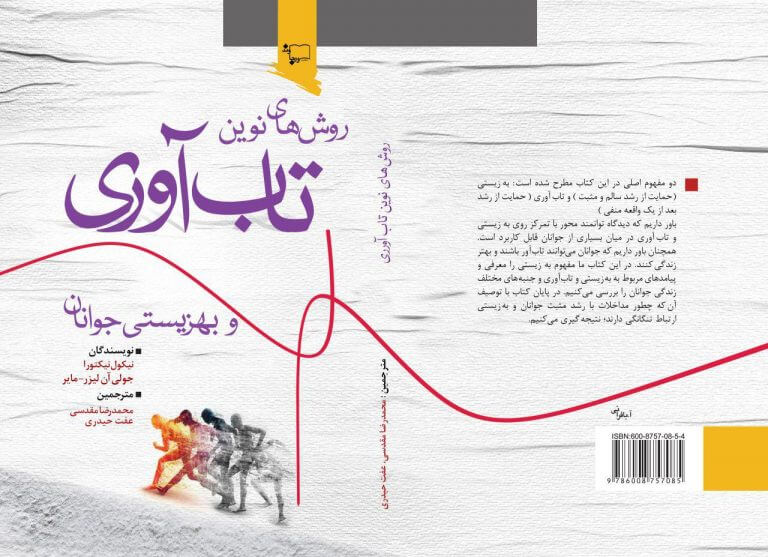
The broader list of works associated with the House of Resilience includes titles such as “Resilience, Resources and Discourse,” “Developing Resilience in Schools, Children and Families,” “Resilience: A Guide to Creating and Implementing an Action Plan,” “Handbook of Child Resilience and Vulnerability,” “New Approaches to Resilience and Youth Well-Being,” “Strategies for Development through Literature,” “Building Resilient Education Systems during the COVID-19 Pandemic,” and “Resilience for Children and Adolescents with Special Needs.”

This body of work demonstrates that Dr. Moghaddasi’s translation and publishing activities have not been limited to one particular dimension of resilience. Children and adolescents, families, women, schools, communities, professional health, self-management, stress, coaching, literature, art, and crisis conditions have all become part of this broader intellectual and educational pathway.

Historically, the significance of this activity lies in the fact that the translation and dissemination of specialized resilience literature in Iran developed alongside the establishment and growth of the House of Resilience. In this sense, the House of Resilience has functioned not merely as a platform for general information but also as a channel for introducing specialized scientific literature, educational resources, and international developments in resilience research.

Publishers associated with these works include Varjavand Publishing, Roshd Publishing, Sokhanvaran Publishing, Mahdokht Publishing, Shabgir Publishing, and Prochesta Publishing. The publication of resilience-related books through different publishers has helped expand access to this literature among professionals, educators, students, families, and practitioners.

Dr. Moghaddasi’s work can therefore be understood on three interconnected levels: establishing a specialized reference for resilience in Iran, translating and introducing international scientific literature on resilience, and expanding the practical applications of resilience in areas such as childhood, family, women, education, schools, healthcare, coaching, and community development.

Among the international scholars whose work has been translated, introduced, or disseminated through this broader body of activity are Ann S. Masten, Nan Henderson, Bonnie Benard, Nancy Sharp-Light, Wendy L. Moss, Michael Ungar, and other influential researchers and practitioners in the field of resilience.

For this reason, the collection of books associated with Dr. Moghaddasi’s work can be considered part of the broader history of the introduction and development of specialized resilience literature in Iran.

At the institutional level, the House of Resilience Iran represents a long-term scientific, educational, and media initiative. Since its establishment in Kermanshah in 2015, it has sought to transform resilience from a specialized psychological concept into a broader discourse connected with mental health, education, family life, social development, professional well-being, and community participation.

In this context, Dr. Mohammadreza Moghaddasi can be regarded as one of the active figures in the development and dissemination of resilience literature in Iran. His work combines the establishment of a specialized resilience platform, translation and dissemination of international scholarship, education, professional training, and media development.

The establishment of the House of Resilience in Kermanshah in 2015 marked an important stage in this trajectory. Through resiliency.ir and its subsequent activities, the initiative developed a sustained platform for resilience education, specialized content, books, research-oriented discussions, and public awareness.

The significance of this work is therefore not limited to the number of books translated or published. Its broader importance lies in creating an intellectual and educational bridge between international resilience scholarship and Persian-speaking audiences, while simultaneously encouraging the localization and practical application of resilience knowledge within Iranian society.

In this sense, the House of Resilience Iran can be viewed as a specialized platform that has contributed to the formation, dissemination, and localization of resilience discourse in Iran, with Dr. Mohammadreza Moghaddasi playing a central role in its establishment and development

Raising Resilience: A Review of Christopher Willard’s Book and the Persian Translation

Raising Resilience: A Review of Christopher Willard’s Book and the Persian Translation by Mohammadreza Moghaddasi and Narges Zamani

Raising Resilience: The Wisdom and Science of Happy Families and Thriving Children, written by Christopher Willard, PsyD, is an important work in the fields of child resilience, family resilience, parenting, mindfulness, and positive child development. First published in 2017, the book explores the relationship between family life, parenting, emotional regulation, mindfulness, human values, and the development of resilient and thriving children.

The book has been translated into Persian by Dr. Mohammadreza Moghaddasi and Narges Zamani and published by Prochesta Publishing House. The Persian translation can be understood within the broader movement to introduce international resilience literature to Persian-speaking readers and to develop professional resources for psychologists, counselors, social workers, educators, parents, and social activists working in the field of resilience.

The title Raising Resilience itself is significant. It does not present resilience simply as an individual psychological characteristic. Instead, it places resilience within the context of family relationships, parenting, emotional development, mindfulness, values, and everyday experiences. The book therefore asks an important question: How can families create conditions in which children develop the capacity to cope with difficulties, recover from setbacks, and continue to grow?

Christopher Willard: Psychologist, Author, and Mindfulness Educator

Christopher Willard, PsyD, is a clinical psychologist, educator, author, and specialist in mindfulness. His professional work focuses particularly on children, adolescents, education, psychotherapy, emotional well-being, and mindfulness.

He has taught at Harvard Medical School and has extensive experience introducing mindfulness practices into education and psychotherapy. Professional biographies describe him as a clinical psychologist and educational consultant specializing in mindfulness.

Willard has also been involved with organizations dedicated to mindfulness and meditation. His professional career reflects a sustained effort to translate psychological and contemplative concepts into practical tools that children, parents, teachers, and therapists can use in everyday life.

His books include Growing Up Mindful, Raising Resilience, The Breathing Book, Alphabreaths, and other works focused on mindfulness, breathing, emotional regulation, and child development.

Raising Resilience therefore represents a natural continuation of Willard’s broader professional interests. His work brings together several fields: clinical psychology, mindfulness, child development, education, parenting, and resilience.

What Is Raising Resilience About?

The central idea of the book can be summarized in one sentence:

Children develop resilience within relationships and through everyday family experiences.

Willard does not view resilience as something that becomes relevant only during major crises. Children gradually develop resilient capacities through ordinary experiences such as waiting, dealing with disappointment, taking responsibility, helping others, practicing patience, recognizing emotions, making mistakes, solving problems, and learning how to recover after setbacks.

The publisher describes the book as a practical guide for parents and educators and presents it around ten scientific and spiritual principles intended to help children navigate life’s challenges and reach their potential.

This perspective is particularly important because resilience is sometimes misunderstood as simply being strong or enduring hardship. Willard presents a broader understanding. A resilient child is not a child who never becomes sad, anxious, frustrated, or disappointed. Rather, resilience involves developing the capacity to recognize difficult experiences, regulate responses, seek support, adapt, recover, and continue moving forward.

The Ten Principles of the Book

The book is structured around ten principles that connect contemporary science, psychology, neuroscience, and elements of Eastern wisdom and contemplative traditions.

Among the themes addressed are generosity, ethics, simplifying parenting, developing a wise brain, parental anxiety, patience, honesty, growth mindset and perseverance, kindness and compassion, and maintaining balance in the face of life’s pressures.

This structure demonstrates that Willard does not treat resilience as a collection of isolated psychological techniques. Generosity, for example, can strengthen social connection and a sense of belonging. Patience can contribute to the capacity to tolerate frustration and delay gratification. A growth mindset can help children interpret failure as an opportunity for learning rather than proof of personal inadequacy. Compassion and kindness can strengthen relationships and social support.

From this perspective, resilience becomes more than a psychological skill. It becomes a culture of family life.

The Family as the First School of Resilience

One of the most important messages of the book is that parents cannot teach resilience merely through advice or instruction. Children learn a significant part of resilience by observing their parents and experiencing their relationships with them.

When parents respond to frustration with greater emotional regulation, children have an opportunity to observe regulation in action. When parents acknowledge their own mistakes, children learn that mistakes are not catastrophic. When parents demonstrate flexibility during difficult situations, children gradually learn that flexibility is possible.

This means that parental resilience and child resilience are closely connected.

A resilient family is not necessarily a family without conflict, disappointment, stress, or uncertainty. Rather, it is a family that develops constructive ways of responding to these experiences.

Overprotection and the Development of Resilience

Willard also addresses an important issue in contemporary parenting: parental anxiety about whether they are doing enough for their children or intervening too much.

The book discusses the phenomenon of helicopter parenting and the pressure parents may feel to create the perfect family or protect children from every possible difficulty.

From a resilience perspective, this issue is extremely important.

If parents solve every problem before children have an opportunity to experience it, children may have fewer opportunities to develop problem-solving skills. If every disappointment is immediately removed or compensated for, children may have fewer opportunities to practice frustration tolerance.

Support is essential, but support is not the same as eliminating every challenge.

Children need protection and support, but they also need age-appropriate opportunities to experience difficulty, make choices, solve problems, and learn from mistakes.

This is one of the most valuable insights that can be drawn from Raising Resilience for the development of resilience-oriented parenting.

Mindfulness and Child Resilience

One of the defining features of Willard’s approach is the connection between mindfulness and resilience.

Mindfulness can help children recognize their thoughts, emotions, and bodily sensations without immediately reacting to them. A child can gradually learn to create a small space between an emotional trigger and an automatic response.

The process can involve questions such as:

What am I feeling?

What is happening in my body?

What happened before this feeling appeared?

Do I need to react immediately?

What other choices do I have?

This capacity to pause and choose rather than react automatically is closely connected with emotional regulation and can become an important foundation for resilience.

Mindfulness, therefore, is not presented simply as a relaxation technique. In Willard’s framework, it can become a practical way of helping children understand themselves, regulate difficult emotions, and respond more flexibly to stressful experiences.

Science and Wisdom Together

Another distinctive feature of Raising Resilience is its attempt to connect modern science with traditional wisdom.

The publisher emphasizes the book’s integration of findings from neuroscience and social psychology with teachings related to human virtues and Eastern wisdom.

Willard discusses generosity, compassion, patience, kindness, honesty, balance, and ethical behavior alongside psychological and neuroscientific perspectives.

This approach makes the book different from many conventional parenting manuals. Human values are not treated simply as decorative ideas. Instead, the book considers how values and everyday practices can contribute to healthy development and family resilience.

Dr. Mohammadreza Moghaddasi and the Persian Translation

The Persian edition of Raising Resilience was translated by Dr. Mohammadreza Moghaddasi and Narges Zamani and published by Prochesta Publishing House.

The significance of this translation can be better understood within Dr. Moghaddasi’s broader professional work in resilience.

Dr. Mohammadreza Moghaddasi is the founder and director of House of Resiliency Iran, whose main address is resiliency.ir. House of Resiliency was established on July 20, 2015, corresponding to 29 Tir 1394, in Kermanshah, Iran.

Over the years, House of Resiliency has developed as a specialized platform for the production, translation, dissemination, and promotion of resilience knowledge in Iran.

Dr. Moghaddasi has also translated more than 50 book titles, contributing to the development of Persian-language literature on resilience and related areas of psychology, family, children, social work, and mental health.

In this context, the translation of Raising Resilience is not an isolated publishing project. It is part of a broader effort to make international scholarship and practical knowledge about resilience accessible to Persian-speaking professionals and families.

From House of Resiliency to Cultural Resilience

Dr. Moghaddasi’s work has also expanded beyond individual and family resilience into the field of cultural resilience.

He is currently involved with Hakim Sabzevari University in the National Mission of Identity-Oriented Cultural Resilience, a framework that places resilience within a wider cultural and social context.

This development is significant because it extends the concept of resilience from the individual and family to the community and culture.

If children develop resilience within families and relationships, cultural resilience can also develop through family, education, language, literature, history, identity, social participation, collective memory, and cultural resources.

From this perspective, translating and publishing books such as Raising Resilience can be seen as part of a broader movement to develop resilience knowledge in Iran, beginning with individual resilience and extending toward family, social, and cultural resilience.

Dr. Moghaddasi’s Scientific and Social Activities

Alongside his work with House of Resiliency, Dr. Mohammadreza Moghaddasi has been active in the nonprofit and civil-society sector. According to the information provided, he serves as Deputy for Scientific and Research Affairs of one of Iran’s largest nongovernmental organizations.

The combination of academic work, translation, education, media activity, civil-society engagement, and resilience development gives his professional profile a distinctive character.

His career can be viewed across several interconnected areas: resilience education, translation of specialized literature, scientific content development, resilience media, social participation, and the integration of resilience knowledge with cultural and social issues in Iran.

The establishment of House of Resiliency in Kermanshah in 2015 represents an important part of this trajectory.

Why Is the Persian Translation of Raising Resilience Important?

The importance of this book for Iranian readers lies in its ability to bring resilience closer to everyday family life.

Resilience is not limited to major disasters or severe crises. A child can practice resilience while waiting, dealing with a disagreement with a sibling, completing a responsibility, experiencing academic failure, facing disappointment, or adjusting to a change.

This perspective is particularly valuable for resilience education in Iran because effective resilience education should not remain limited to classrooms, lectures, or theoretical discussions.

It needs to become part of family life, parenting practices, relationships, education, and everyday experiences.

Final Assessment

Raising Resilience: The Wisdom and Science of Happy Families and Thriving Children can be understood as a work situated at the intersection of developmental psychology, parenting, mindfulness, neuroscience, ethics, and resilience.

It is not primarily an academic textbook on resilience measurement or a theoretical treatise on the construct of resilience. Its principal strength lies in translating psychological and scientific insights, together with elements of wisdom and human values, into practical ideas for family life.

Christopher Willard reminds parents and educators that children need families in which kindness, honesty, patience, generosity, responsibility, mindfulness, compassion, flexibility, and emotional regulation are practiced in everyday life.

The Persian translation by Dr. Mohammadreza Moghaddasi and Narges Zamani, published by Prochesta Publishing House, brings this international work into the Persian-language resilience literature and connects it with the broader resilience movement associated with House of Resiliency Iran and resiliency.ir.

In this context, Raising Resilience is more than a book about raising resilient children. It is a book about creating families that themselves possess resilient capacities.

Its central message can be summarized in a simple sentence:

Resilience is not something we give to children one day; it is something we build with them through the way we live, relate, learn, and face difficulties together every day.

شوپنهاور و جوجه‌تیغی‌ها؛ هنر یافتن فاصله میانه در روابط انسانی

### شوپنهاور و جوجه‌تیغی‌ها؛ هنر یافتن فاصله میانه در روابط انسانی

آرتور شوپنهاور، فیلسوف آلمانی قرن نوزدهم، برای توضیح یکی از پیچیده‌ترین مسائل زندگی اجتماعی انسان، داستانی تمثیلی درباره جوجه‌تیغی‌ها مطرح کرد. جوجه‌تیغی‌ها در سرمای زمستان به یکدیگر نزدیک می‌شوند تا از گرمای بدن هم استفاده کنند. هرچه فاصله کمتر می‌شود، گرمای بیشتری احساس می‌کنند، اما تیغ‌های بدنشان نیز بیشتر با یکدیگر تماس پیدا می‌کند و درد و آسیب ایجاد می‌شود. در نتیجه از هم فاصله می‌گیرند. فاصله که زیاد می‌شود، دوباره سرما را احساس می‌کنند و نیاز به نزدیکی بازمی‌گردد. این رفت‌وبرگشت ادامه پیدا می‌کند تا سرانجام فاصله‌ای پیدا کنند که در آن بتوانند از گرمای یکدیگر بهره ببرند و در عین حال کمتر آسیب ببینند.

این تصویر ساده، یکی از عمیق‌ترین مسائل روابط انسانی را توضیح می‌دهد: انسان هم به دیگری نیاز دارد و هم از نزدیکی بیش از اندازه آسیب‌پذیر می‌شود. ما موجوداتی اجتماعی هستیم. به محبت، تعلق، گفت‌وگو، حمایت، دوستی و همراهی نیاز داریم. تنهایی طولانی‌مدت می‌تواند احساس بی‌پناهی و بی‌معنایی ایجاد کند. با این حال، نزدیکی بدون مرز نیز همیشه به آرامش منجر نمی‌شود. گاهی هرچه دو نفر بیشتر به یکدیگر نزدیک می‌شوند، حساسیت‌ها، توقعات، اختلاف‌ها و زخم‌های قدیمی نیز بیشتر آشکار می‌شود.

در روابط انسانی، فاصله همیشه نشانه بی‌مهری نیست و نزدیکی همیشه نشانه سلامت رابطه نیست. آنچه اهمیت دارد، کیفیت فاصله است. فاصله سالم به معنای بی‌تفاوتی نیست؛ همان‌گونه که صمیمیت سالم به معنای از بین رفتن مرزهای فردی نیست. رابطه سالم جایی شکل می‌گیرد که دو انسان بتوانند در کنار یکدیگر باشند، بدون اینکه هویت، آزادی، امنیت روانی و استقلال یکدیگر را از میان ببرند.

بسیاری از مشکلات روابط زمانی آغاز می‌شوند که یکی از طرفین تصور می‌کند صمیمیت یعنی دسترسی کامل به دیگری. در چنین شرایطی، پرسش‌ها به بازجویی تبدیل می‌شوند، مراقبت به کنترل نزدیک می‌شود، محبت به توقع تبدیل می‌شود و علاقه ممکن است شکل مالکیت پیدا کند. فرد تصور می‌کند اگر دیگری را دوست دارد، باید از تمام افکار، احساسات، تصمیم‌ها و زمان او باخبر باشد. چنین رابطه‌ای ممکن است در ابتدا بسیار صمیمی به نظر برسد، اما در طول زمان احساس خفگی ایجاد کند.

در سوی دیگر، فاصله بیش از اندازه نیز می‌تواند رابطه را فرسوده کند. انسانی که از هر نوع وابستگی عاطفی می‌ترسد، ممکن است از صمیمیت فرار کند، احساسات خود را پنهان سازد و در لحظات دشوار از دیگران فاصله بگیرد. چنین فردی شاید از آسیب دیدن جلوگیری کند، اما در عوض فرصت تجربه حمایت، تعلق و محبت را نیز از دست می‌دهد. انسان برای رشد روانی به ارتباط نیاز دارد و هیچ‌کس نمی‌تواند همه نیازهای عاطفی خود را به تنهایی پاسخ دهد.

اینجاست که مفهوم فاصله میانه اهمیت پیدا می‌کند. فاصله میانه یعنی بتوانیم هم نزدیک باشیم و هم مستقل بمانیم. بتوانیم محبت کنیم، بدون اینکه دیگری را مالک خود بدانیم. بتوانیم کمک بخواهیم، بدون اینکه تمام مسئولیت زندگی خود را بر دوش دیگری بگذاریم. بتوانیم اختلاف نظر داشته باشیم، بدون اینکه رابطه را نابود کنیم. بتوانیم «نه» بگوییم، بدون احساس گناه، و «بله» بگوییم، بدون احساس اجبار.

این فاصله میانه، در واقع نوعی بلوغ عاطفی است. انسان بالغ می‌داند که رابطه سالم بر پایه حضور دو انسان شکل می‌گیرد، نه حذف یکی از آنها در دیگری. دو نفر می‌توانند بسیار نزدیک باشند و همچنان جهان شخصی خود را حفظ کنند. می‌توانند علایق متفاوت، دوستان متفاوت، زمان شخصی و حتی دیدگاه‌های متفاوت داشته باشند و همچنان رابطه‌ای عمیق و محترمانه را تجربه کنند.

یکی از مهم‌ترین عناصر این فاصله میانه، مرزبندی سالم است. مرز روانی یعنی فرد بداند کجا مسئول زندگی خودش است و کجا باید مسئولیت را به دیگری واگذار کند. مرز به معنای دیوار کشیدن دور خود نیست. مرز سالم بیشتر شبیه دری است که امکان ارتباط را فراهم می‌کند، اما به فرد اجازه می‌دهد زمان باز و بسته شدن آن را آگاهانه انتخاب کند.

در یک رابطه سالم، افراد می‌توانند درباره نیازهای خود صحبت کنند. می‌توانند بگویند «به کمی زمان شخصی نیاز دارم» بدون اینکه این جمله به معنای پایان محبت تلقی شود. می‌توانند بگویند «از این رفتار تو ناراحت شدم» بدون اینکه طرف مقابل را دشمن خود بدانند. می‌توانند درباره تفاوت‌ها گفت‌وگو کنند و بپذیرند که دوست داشتن یکدیگر الزاماً به معنای شبیه بودن نیست.

بخشی از دشواری روابط انسانی از توقعات غیرواقع‌بینانه ناشی می‌شود. گاهی از یک نفر انتظار داریم دوست، همسر، مشاور، حامی، سرگرم‌کننده، ناجی و پاسخگوی تمام نیازهای ما باشد. چنین انتظاری فشار زیادی بر رابطه وارد می‌کند. هیچ انسانی نمی‌تواند همه نیازهای روانی و اجتماعی انسان دیگری را برآورده کند. داشتن شبکه‌ای از روابط سالم، مانند خانواده، دوستان، همکاران و گروه‌های اجتماعی، به افراد کمک می‌کند وابستگی افراطی به یک رابطه کاهش پیدا کند.

فاصله میانه به معنای سرد شدن رابطه نیز نیست. برعکس، گاهی فاصله سالم کیفیت محبت را بیشتر می‌کند. وقتی دو نفر اجازه می‌دهند یکدیگر نفس بکشند، دیدن دوباره یکدیگر می‌تواند لذت‌بخش‌تر باشد. وقتی هر فرد فرصت دارد خودش باشد، حضور در رابطه انتخابی آگاهانه‌تر خواهد بود. محبت زمانی ارزشمندتر می‌شود که از آزادی سرچشمه بگیرد، نه از ترس.

در خانواده نیز این مسئله اهمیت زیادی دارد. والدین ممکن است از سر محبت بخواهند تمام مسیر زندگی فرزند خود را تعیین کنند. آنها ممکن است تصمیم‌گیری را به جای فرزند انجام دهند و هر اشتباه او را خطری بزرگ تلقی کنند. با افزایش سن، فرزند به استقلال بیشتری نیاز دارد. اگر والدین نتوانند فاصله سالم را ایجاد کنند، محبت ممکن است به کنترل تبدیل شود. والدگری سالم یعنی حمایت از رشد استقلال، همراه با حفظ ارتباط عاطفی.

در دوستی نیز همین اصل وجود دارد. دوست خوب کسی نیست که همیشه در دسترس باشد یا در همه تصمیم‌ها همراه ما باشد. دوستی سالم رابطه‌ای است که در آن افراد می‌توانند مدتی از یکدیگر فاصله داشته باشند و همچنان احساس امنیت کنند. اگر یک رابطه با چند روز کم شدن ارتباط فروبریزد، شاید آن رابطه بیشتر بر اضطراب و وابستگی استوار بوده باشد تا اعتماد.

در محیط کار نیز فاصله میانه اهمیت دارد. همکاران برای همکاری مؤثر به اعتماد نیاز دارند، اما این اعتماد نباید به دخالت در زندگی شخصی تبدیل شود. مدیران نیز باید میان حمایت از کارکنان و احترام به استقلال آنها تعادل برقرار کنند. سازمان سالم محیطی ایجاد می‌کند که افراد در آن احساس تعلق دارند و در عین حال حریم شخصی و حرفه‌ای آنها محترم باقی می‌ماند.

از منظر تاب‌آوری نیز می‌توان این تمثیل را بسیار ارزشمند دانست.

تاب‌آوری فقط توانایی تحمل تنهایی یا تحمل فشار نیست. انسان تاب‌آور می‌داند چه زمانی به دیگران نزدیک شود و چه زمانی کمی فاصله بگیرد. او حمایت اجتماعی را یک منبع قدرت می‌داند و در عین حال تلاش می‌کند منابع درونی خود را نیز تقویت کند. وابستگی کامل به دیگران می‌تواند شکنندگی ایجاد کند و انزوای کامل نیز منابع حمایتی را کاهش می‌دهد. تعادل میان ارتباط و استقلال، یکی از پایه‌های زندگی تاب‌آورانه است.


گاهی انسان پس از تجربه یک رابطه آسیب‌زا تصمیم می‌گیرد دیگر به هیچ‌کس نزدیک نشود. این واکنش قابل فهم است، زیرا ذهن تلاش می‌کند از تجربه دردناک گذشته محافظت کند. با این حال، فاصله گرفتن کامل راه‌حل پایدار نیست. زخم یک رابطه نباید به بی‌اعتمادی نسبت به تمام انسان‌ها تبدیل شود. همان‌طور که یک رابطه ناموفق به معنای نامناسب بودن تمام روابط نیست، یک تجربه تلخ نیز نباید انسان را به انزوای دائمی سوق دهد.

از سوی دیگر، برخی افراد پس از تجربه تنهایی، بیش از اندازه به روابط می‌چسبند. آنها از ترک شدن می‌ترسند و برای حفظ رابطه از نیازهای خود می‌گذرند. در چنین وضعیتی فرد ممکن است برای جلوگیری از تنهایی، خود واقعی‌اش را پنهان کند. این شیوه شاید در کوتاه‌مدت رابطه را حفظ کند، اما در بلندمدت عزت‌نفس و رضایت عاطفی را کاهش می‌دهد.

هنر زندگی در این میان، پیدا کردن نقطه‌ای میان این دو افراط است؛ نقطه‌ای که در آن انسان بتواند هم گرم بماند و هم نسوزد، هم نزدیک باشد و هم خودش را گم نکند، هم محبت دریافت کند و هم استقلال خود را حفظ کند. این همان فاصله‌ای است که تمثیل جوجه‌تیغی‌های شوپنهاور به زیبایی آن را تصویر می‌کند.

شاید زندگی انسانی را بتوان مجموعه‌ای از همین تنظیم فاصله‌ها دانست. با یک نفر باید نزدیک‌تر باشیم، با دیگری کمی دورتر. در یک دوره از زندگی ممکن است به حمایت بیشتری نیاز داشته باشیم و در دوره‌ای دیگر استقلال بیشتری بخواهیم. رابطه سالم رابطه‌ای ثابت و منجمد نیست؛ رابطه‌ای زنده است که افراد در آن فاصله خود را با توجه به شرایط، نیازها، اعتماد و تجربه‌های مشترک تنظیم می‌کنند.

در نهایت، انسان برای زندگی خوب به دیگری نیاز دارد، اما برای حفظ خویشتن نیز به مرز نیازمند است. نه انزوای کامل راه خوشبختی است و نه درهم‌آمیختگی کامل. زندگی در جایی میان این دو شکل می‌گیرد؛ جایی که می‌توان دست دیگری را گرفت، بدون اینکه دست خود را از دست داد؛ می‌توان دوست داشت، بدون اینکه مالک شد؛ می‌توان نزدیک بود، بدون اینکه خفه کرد؛ و می‌توان فاصله گرفت، بدون اینکه رابطه را نابود کرد.

حکمت تمثیل جوجه‌تیغی‌ها شاید در همین نکته خلاصه شود: انسان‌ها برای گرم شدن به یکدیگر نیاز دارند، اما برای آسیب ندیدن نیز باید فاصله‌ای را رعایت کنند. بلوغ در روابط زمانی شکل می‌گیرد که این فاصله را بشناسیم و آن را با احترام، گفت‌وگو و آگاهی تنظیم کنیم. هنر زندگی شاید پیدا کردن همین فاصله میانه باشد؛ فاصله‌ای که در آن گرمای رابطه باقی می‌ماند، امنیت حفظ می‌شود و هر انسان می‌تواند در کنار دیگری، همچنان خودش باشد.

Coaching Questions: Discovering the Path of Life

Coaching Questions: Discovering the Path of Life

An Introduction to Coaching Questions and Its Place in Resilience Coaching in Iran

Coaching Questions: A Coach’s Guide to Powerful Asking Skills, written by Tony Stoltzfus, is a practical and influential work in the literature of coaching. First published in 2008, the book focuses on one of the most fundamental skills of professional coaching: powerful questioning. The original edition is approximately 100 pages and presents a wide range of tools, models, strategies, and practical examples designed to strengthen a coach’s ability to ask effective questions.

The Persian edition, titled Coaching Questions: Discovering the Path of Life, has been translated by Dr. Mohammadreza Moghaddasi and Dr. Narges Bigdeli and published by Prochesta Publishing. The Persian edition has provided Persian-speaking readers, coaches, educators, and professionals with access to a practical resource devoted specifically to questioning skills in coaching.

The importance of this translation becomes clearer when we consider the central position of questioning in professional coaching. A coach may be familiar with goal setting, action planning, feedback, motivation, and behavioral change, yet without effective questioning, a coaching conversation can easily become ordinary advice-giving, teaching, counseling, or even persuasion.

Stoltzfus approaches questioning from a different perspective. A powerful question is not primarily a way for the coach to communicate an answer. It is a tool for activating the client’s own thinking process. Through an appropriate question, the client may examine a situation from a new perspective, recognize personal and social resources, discover new options, clarify priorities, make a decision, and move toward action.

This perspective transforms questioning from a simple communication technique into a professional coaching competency.

One of the major strengths of Coaching Questions is its practical orientation. The book includes a large collection of examples of powerful coaching questions, together with tools, models, exercises, and discussions of common questioning mistakes. Descriptions of the book refer to nearly 1,200 sample questions, making it particularly useful as a working reference for coaches.

The book is therefore more than a theoretical discussion of coaching. It can be viewed as a practical guide and working resource. A coach can study the examples, understand the logic behind them, and gradually develop a personal language of professional questioning.

One of the valuable aspects of Stoltzfus’s approach is its attention to common mistakes in questioning. These include closed questions, solution-oriented questions, overly long questions, interpretive questions, rhetorical questions, leading questions, and the tendency to search for one perfect question. Such mistakes can unintentionally shift the conversation away from the client’s autonomy and toward the coach’s assumptions.

For example, when a coach asks, “Don’t you think you should do this?” the question may appear to invite reflection, but it actually contains the coach’s preferred answer. A more open question such as “What options do you see?” or “Which option seems most consistent with your current situation?” gives the client greater space for exploration and choice.

This distinction is particularly important in resilience coaching. The purpose of a resilience coach is not to tell a person how to be resilient. The coach can instead create conditions in which the individual discovers existing strengths, resources, relationships, previous successful experiences, values, and possible courses of action.

In resilience coaching, questions such as “How did you cope with a difficult period in the past?”, “What helped you get through that experience?”, “What resources are available to you now?”, “Who can support you at this stage?”, and “What is the smallest meaningful step you can take this week?” can encourage reflection and action.

In this sense, questioning can become a practical bridge between resilience theory and resilience practice.

Dr. Mohammadreza Moghaddasi and the Persian Translation

The Persian translation of Coaching Questions by Dr. Mohammadreza Moghaddasi and Dr. Narges Bigdeli has particular significance within the development of Persian-language literature on coaching and resilience.

Dr. Mohammadreza Moghaddasi is widely associated with the development, teaching, translation, and dissemination of resilience literature in Iran. He established the House of Resiliency in Kermanshah in 2015 and has spent many years teaching resilience and developing educational resources in this field.

Because of his long-standing work in resilience education, coaching, translation, and public dissemination, Dr. Moghaddasi has been referred to in resilience-related circles as the “Father of Resilience in Iran.”

His contribution extends beyond a single book or a single educational program. He has translated and introduced approximately 50 specialized books and resources in the field of resilience, covering areas such as psychological resilience, family resilience, resilience in women and children, social resilience, cultural resilience, and practical approaches to resilience education.

Within this body of work, books related to coaching and resilience coaching occupy a special position because they connect resilience knowledge with practical methods of personal development, goal setting, reflection, decision-making, and action.

The translation of Coaching Questions can therefore be understood within a broader effort to make contemporary professional knowledge accessible to Persian-speaking readers.

The House of Resiliency and Resilience Media in Iran

Dr. Moghaddasi is also the founder of the House of Resiliency Iran, an institution and professional platform dedicated to the development and dissemination of resilience knowledge.

The House of Resiliency was established in Kermanshah in 2015 and has developed as an important platform for resilience-related education, publishing, media production, research communication, and public awareness.

The specialized resilience media associated with this movement is available through resiliency.ir, which serves as a major Persian-language source for resilience-related content in Iran.

Through its activities, the resilience media has addressed psychological, family, social, cultural, educational, and community dimensions of resilience. It has also contributed to making resilience more accessible to educators, psychologists, social workers, coaches, families, students, and the general public.

In this context, the publication of a specialized coaching book is significant. Resilience cannot remain merely an academic concept. It must also be translated into educational methods and practical skills. Coaching is one possible framework for this translation from theory to practice.

Coaching and Resilience

The relationship between coaching and resilience has become increasingly important because both fields are concerned with human capacity, adaptation, development, and purposeful action.

Resilience is generally understood as a dynamic capacity associated with responding to adversity, stress, disruption, change, and challenging circumstances. Contemporary resilience scholarship emphasizes that resilience is influenced by individual capacities as well as relationships, families, communities, institutions, and broader social environments.

Coaching can contribute to this process by helping individuals clarify goals, recognize resources, examine assumptions, identify choices, and develop practical steps toward desired outcomes.

Questioning is central to this process.

A resilience coach does not necessarily need to provide immediate solutions. Instead, the coach can help the client discover what has worked before, what resources are currently available, what relationships can provide support, what strengths have previously helped, and what realistic action is possible now.

For example, a person experiencing a difficult situation may believe that they have no resources. Rather than directly challenging that belief, a coach can ask:

“What did you do the last time you faced a situation like this?”

“Who was there for you?”

“What helped you continue?”

“What did that experience teach you about yourself?”

“What resources are available to you today?”

Such questions can help make previously overlooked resources visible.

This is one of the most important connections between powerful questioning and resilience coaching.

Questioning Rather Than Advice-Giving

One of the central lessons that can be drawn from Coaching Questions is that professional coaching is fundamentally different from giving advice.

A coach may have considerable experience, knowledge, and expertise. However, the coaching process is designed to support the client’s ownership of the problem, the decision, and the action.

A question can therefore be more powerful than an immediate answer.

The coach does not determine the client’s life path. Instead, the coach helps the client see that path more clearly.

This principle is especially important in resilience coaching. Resilience is deeply connected with agency, meaning, hope, relationships, strengths, and the ability to take constructive action. A directive approach can sometimes overlook the client’s existing capacities. A questioning approach can bring those capacities into the conversation.

The Importance of Silence

Another important lesson associated with powerful questioning is that effective coaching does not mean asking questions continuously.

Sometimes the most powerful intervention is a short question followed by silence.

Silence gives the client time to think, connect the question with personal experience, explore emotions, and formulate an authentic answer.

This is particularly important when discussing resilience. Questions about adversity, loss, change, identity, meaning, or personal strengths may require time. The coach should not rush to fill the silence.

The quality of a coaching conversation is therefore determined not by the number of questions asked but by the quality, timing, relevance, and purpose of those questions.

Why This Book Matters for Resilience Coaching in Iran

The importance of Coaching Questions for resilience coaching in Iran can be understood within the wider development of professional resilience education.

Over the years, Dr. Mohammadreza Moghaddasi has worked to expand resilience education through teaching, translation, publishing, workshops, media activities, and professional communication. His work has helped introduce numerous international resilience resources to Persian-speaking audiences.

The translation of a specialized coaching resource complements this work by adding a practical methodology to the broader resilience literature.

Resilience education requires more than knowledge about adversity. It requires methods for helping individuals and communities recognize their capacities and develop meaningful responses.

Coaching can provide one such method.

Powerful questioning can provide one of the central skills within that method.

The publication of Coaching Questions in Persian therefore has significance beyond the translation of an individual book. It contributes to the development of a professional vocabulary around coaching, questioning, resilience, and personal development.

Dr. Moghaddasi’s Broader Professional Role

Dr. Moghaddasi’s professional activities have extended into several areas related to resilience education and cultural development.

In addition to founding the House of Resiliency and developing resilience media in Iran, he has been described as a Senior Advisor to the National Mission for Cultural Resilience, Identity-Oriented, associated with Hakim Sabzevari University.

He has also held a research-related role with the Iranian Helpers for Mental Health movement.

These activities place his work at the intersection of resilience education, research communication, cultural resilience, community development, and professional training.

From this perspective, the translation of a book on coaching questions fits into a larger intellectual and educational trajectory: connecting specialized knowledge with practical tools that can be used by professionals and communities.

Coaching Is Not Psychotherapy

It is important to maintain a clear professional distinction between coaching and psychotherapy.

Coaching can support goal clarification, personal development, decision-making, performance, resource identification, and action planning. It should not be presented as a substitute for psychological assessment or treatment when a person is experiencing a mental health disorder or requires clinical intervention.

Resilience coaching can contribute to prevention, education, empowerment, personal development, and capacity building. When clinical symptoms or significant psychological difficulties are present, appropriate referral to qualified mental health professionals remains essential.

This distinction strengthens rather than weakens the professional identity of resilience coaching.

Conclusion

Coaching Questions: A Coach’s Guide to Powerful Asking Skills is ultimately a book about the art and discipline of asking.

Its central message can be summarized simply: a professional coach does not have to solve the client’s life. The coach helps the client see more clearly, think more deeply, recognize possibilities, make informed choices, and take meaningful action.

The Persian edition, Coaching Questions: Discovering the Path of Life, translated by Dr. Mohammadreza Moghaddasi and Dr. Narges Bigdeli and published by Prochesta Publishing, brings this practical approach to Persian-speaking readers.

For Dr. Moghaddasi, whose professional career has been strongly associated with resilience education, translation, teaching, coaching, and the development of the House of Resiliency Iran, the inclusion of coaching literature in his body of work represents an important connection between resilience theory and practical intervention.

His extensive work in translating and disseminating specialized resilience literature, his establishment of the House of Resiliency in 2015, his development of resilience media through resiliency.ir, and his involvement in cultural resilience and community-oriented professional activities have contributed to a broader movement for the localization and dissemination of resilience knowledge in Iran.

Within this larger context, Coaching Questions has a distinctive place. It offers coaches and resilience educators a practical language for helping people discover their own resources rather than simply receiving ready-made answers.

The deeper value of the book lies in this principle: sometimes the most powerful form of help is not giving someone the answer, but asking the question that enables them to discover their own answer.

For resilience coaching, that principle is particularly meaningful. Resilience grows through awareness, relationships, resources, meaning, choice, hope, and action. Powerful questions can help make these capacities visible and transform them into practical possibilities.

In this respect, the Persian translation of Coaching Questions represents a meaningful contribution to the developing literature of coaching and resilience coaching in Iran, while also reflecting the broader professional mission associated with Dr. Mohammadreza Moghaddasi and the House of Resiliency Iran.

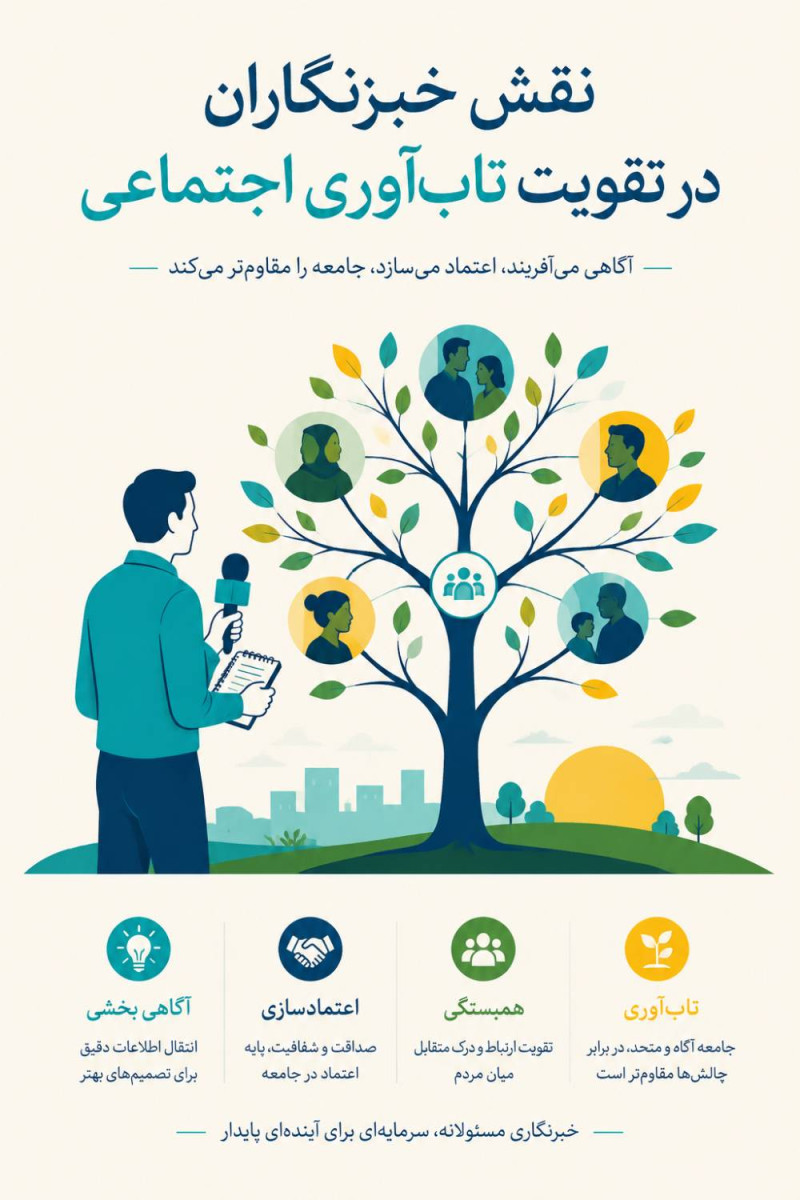
نقش خبرنگاران در تاب‌آوری اجتماعی

نقش خبرنگاران در تاب‌آوری اجتماعی

خبرنگاران با آگاهی‌بخشی، بازتاب واقعیت‌ها، امیدآفرینی و مطالبه‌گری دقیق، پیوند میان مردم و مسئولان را تقویت کرده، با شناسایی ظرفیت‌های پنهان جامعه، به عبور از بحران و ارتقای تاب‌آوری اجتماعی یاری می‌رسانند.

در جهان پرشتاب و پرمخاطره امروز، جوامع انسانی پیوسته با بحران‌هایی روبه‌رو هستند که از بلایای طبیعی مانند زلزله و سیل تا نوسان‌های اقتصادی، همه‌گیری بیماری‌ها و تنش‌های سیاسی را در بر می‌گیرد. در چنین شرایطی، آنچه یک جامعه را از فروپاشی بازمی‌دارد و امکان بازسازی، سازگاری و حرکت رو به جلو را برای آن فراهم می‌سازد، تاب‌آوری اجتماعی است. تاب‌آوری اجتماعی به ظرفیت یک نظام اجتماعی برای جذب شوک‌ها، انطباق با تغییرات، حفظ انسجام و بازآفرینی ساختارهای خود در مسیر توسعه گفته می‌شود. در این میان، رسانه و به‌ویژه خبرنگاران میدانی و تحلیلگران حرفه‌ای نقشی اساسی در تقویت تاب‌آوری اجتماعی دارند. نقش آنان به انتقال خبر محدود نمی‌شود؛ آنان سازندگان آگاهی عمومی، تقویت‌کنندگان اعتماد اجتماعی و یکی از ستون‌های اصلی پایداری جامعه هستند.

به بیان دکتر محمدرضا مقدسی بنیانگذار رسانه تاب آوری و مشاور عالی ماموریت ملی تاب آوری فرهنگی هویت محور نخستین نقش خبرنگاران در تقویت تاب‌آوری اجتماعی، تولید و توزیع اطلاعات دقیق، به‌موقع و قابل اعتماد در پیش از بحران، حین بحران و پس از آن است. در شرایط عادی، جریان شفاف اطلاعات به جامعه کمک می‌کند تا وضعیت خود را بهتر بشناسد و تصمیم‌های آگاهانه بگیرد. در زمان بحران، همین جریان اطلاعات به نیاز حیاتی جامعه تبدیل می‌شود. هنگامی که مردم از ماهیت تهدید، گستره خسارت، عملکرد نهادهای امدادی و مسیرهای دسترسی به خدمات ضروری آگاه باشند، سطح اضطراب و هراس عمومی کاهش می‌یابد. خبرنگاری که با رعایت اصول حرفه‌ای و با پرهیز از اغراق یا کوچک‌نمایی، واقعیت را بازتاب می‌دهد، زمینه را برای واکنش منطقی و مسئولانه شهروندان فراهم می‌کند. این شفافیت اطلاعاتی، یکی از پایه‌های اصلی تاب‌آوری اجتماعی به شمار می‌رود، زیرا جامعه‌ای که در فضای ابهام و سردرگمی قرار دارد، توان تصمیم‌گیری درست برای بقا و بازسازی را از دست می‌دهد.

در عصر دیجیتال و گسترش شبکه‌های اجتماعی و ابزارهای مبتنی بر هوش مصنوعی، حجم عظیمی از داده‌ها، شایعات و اخبار جعلی فضای عمومی را فرا گرفته است. در چنین فضایی، خبرنگار نقش یک فیلتر انسانی و حرفه‌ای را ایفا می‌کند که توان تشخیص حقیقت از خطا را دارد. هوش مصنوعی، هرچند در پردازش داده‌ها و تولید محتوا توانمند است، درک عمیق از زمینه‌های فرهنگی، حساسیت‌های انسانی و پیامدهای اجتماعی یک خبر نادرست در زمان بحران ندارد. اینجاست که خبرنگار متعهد با تکیه بر اخلاق روزنامه‌نگاری، راستی‌آزمایی میدانی، استفاده از منابع معتبر و تحلیل مبتنی بر شواهد، جامعه را در برابر سیل اخبار جعلی محافظت می‌کند. اخبار نادرست می‌توانند اعتماد عمومی را تضعیف کنند، همبستگی اجتماعی را کاهش دهند و تاب‌آوری اجتماعی را با آسیب جدی مواجه سازند. از این رو، خبرنگاران با روشن کردن مرز میان واقعیت و شایعه، به حفظ سرمایه اجتماعی و اعتماد عمومی کمک می‌کنند.

فراتر از کارکرد اطلاعاتی، خبرنگاران در شکل‌دهی به روایت‌های جمعی و تقویت همدلی اجتماعی نیز نقش دارند. تاب‌آوری اجتماعی تنها به معنای مدیریت بحران نیست؛ این مفهوم به احساس تعلق، همیاری و آمادگی برای ایستادگی جمعی نیز وابسته است. خبرنگاران با روایت داستان‌های انسانی، بازنمایی رنج‌های مشترک و برجسته‌سازی همکاری‌ها و ایثارهای مردمی، حس همدلی را در جامعه زنده نگه می‌دارند. زمانی که رسانه‌ها از امید، همیاری، فداکاری و بازسازی روایت می‌سازند، مخاطب خود را در جایگاه یک ناظر منفعل نمی‌بیند و احساس می‌کند می‌تواند در فرآیند بهبود و بازسازی نقش داشته باشد. این حس مشارکت، یکی از عناصر مهم تاب‌آوری اجتماعی است، زیرا جامعه‌ای که خود را توانمند و اثرگذار بداند، سریع‌تر از بحران عبور می‌کند و با قدرت بیشتری به بازسازی می‌پردازد.

نقش نظارتی خبرنگاران نیز در تقویت تاب‌آوری اجتماعی اهمیت زیادی دارد. در زمان وقوع بحران، نحوه تخصیص منابع، سرعت امدادرسانی، عدالت در توزیع خدمات و کیفیت بازسازی زیرساخت‌ها بر روند بهبودی جامعه اثر مستقیم دارد. خبرنگاران با پرسشگری مستمر، گزارشگری میدانی و مستندسازی عملکرد مسئولان، زمینه پاسخ‌گویی نهادهای قدرت را فراهم می‌کنند. این نظارت رسانه‌ای مانع فساد، تبعیض و سهل‌انگاری می‌شود و اعتماد عمومی را افزایش می‌دهد. جامعه‌ای که احساس کند صدای آن شنیده می‌شود و عملکرد نهادها تحت نظارت قرار دارد، از نظر روانی آمادگی بیشتری برای مواجهه با بحران‌های بعدی خواهد داشت. به همین دلیل، خبرنگاران بخشی جدایی‌ناپذیر از سازوکار حکمرانی خوب و تقویت‌کننده تاب‌آوری اجتماعی هستند.

در دوره بازسازی پس از بحران، خبرنگاران می‌توانند میان مردم، متخصصان و مسئولان پل ارتباطی مؤثری ایجاد کنند. تاب‌آوری اجتماعی فقط بازگشت به وضعیت پیشین نیست؛ این مفهوم به بازسازی هوشمندانه و مقاوم‌سازی جامعه برای آینده نیز مربوط می‌شود. رسانه‌ها با پوشش دیدگاه‌های کارشناسان، بازتاب دغدغه‌های گروه‌های آسیب‌پذیر و فراهم کردن زمینه گفت‌وگوی عمومی، به شکل‌گیری اجماع اجتماعی درباره مسیر درست بازسازی کمک می‌کنند. این فرآیند، جامعه را از تجربه بحران می‌آموزد و آن را برای آینده آماده‌تر می‌سازد. ثبت تجربه‌ها، تحلیل خطاها و بازتاب درس‌های بحران، حافظه جمعی جامعه را تقویت می‌کند و این حافظه یکی از ارکان پایدار تاب‌آوری اجتماعی است.

با این همه، خود خبرنگاران نیز در مسیر انجام این وظیفه خطیر با فشارهای سنگین روبه‌رو هستند. تهدیدهای فیزیکی، فشار روانی ناشی از حضور در صحنه‌های بحرانی، محدودیت‌های مالی و آسیب به امنیت شغلی از جمله چالش‌هایی است که توان حرفه‌ای آنان را تحت تأثیر قرار می‌دهد. حمایت از سلامت روان، امنیت شغلی و آموزش حرفه‌ای خبرنگاران، شرط تداوم نقش آنان در تقویت تاب‌آوری اجتماعی است. جامعه‌ای که از خبرنگاران خود حمایت کند، در واقع از جریان سالم اطلاعات، اعتماد عمومی و آمادگی جمعی برای عبور از بحران‌ها حمایت کرده است.

پایان سخن اینکه تاب‌آوری اجتماعی یک اکوسیستم پویا و چندلایه است که در آن اطلاعات، اعتماد، همدلی، پاسخ‌گویی و یادگیری جمعی به یکدیگر پیوند می‌خورند. خبرنگاران در مرکز این اکوسیستم قرار دارند و با روایت درست واقعیت، می‌توانند جامعه را به سوی انسجام، امید و بازسازی هدایت کنند.

در روزگار امروز که فناوری‌های نوین هر لحظه تصویری تازه از واقعیت ارائه می‌دهند، صدای دقیق، انسانی و مسئولانه خبرنگار یکی از مهم‌ترین پشتوانه‌های تاب‌آوری اجتماعی است؛ صدایی که به جامعه کمک می‌کند از بحران عبور کند و با آگاهی، عدالت و همبستگی مسیر آینده را بسازد.

خبرنگاران با اطلاع‌رسانی درست، شفاف‌سازی بحران‌ها، تقویت امید اجتماعی و پیگیری مطالبات عمومی، نقش مهمی در تاب‌آوری اجتماعی دارند. آنان با بازتاب تجربه‌های موفق، کاهش شایعات، افزایش آگاهی شهروندان و ایجاد گفت‌وگوی مسئولانه میان مردم و نهادها، جامعه را برای مواجهه با آسیب‌ها آماده‌تر می‌کنند و ظرفیت همبستگی، اعتماد و کنش جمعی را در شرایط دشوار افزایش می‌دهند.


https://ahvalkermanshah.ir/wp-content/uploads/2026/08/%D9%86%D9%82%D8%B4-%D8%AE%D8%A8%D8%B1%D9%86%DA%AF%D8%A7%D8%B1%D8%A7%D9%86-%D8%AF%D8%B1-%D8%AA%D8%A7%D8%A8%E2%80%8C%D8%A2%D9%88%D8%B1%DB%8C-%D8%A7%D8%AC%D8%AA%D9%85%D8%A7%D8%B9%DB%8C.jpeg

The Resilience Workbook for Kids

The Resilience Workbook for Kids and Its Iranian Translator, Dr. Mohammadreza Moghaddasi

The Resilience Workbook for Kids: Fun CBT Activities to Help You Bounce Back from Stress and Grow from Challenges is a practical and accessible book in the field of resilience education for children. Written by Caren Baruch-Feldman and Rebecca Comizio and published in 2022 by New Harbinger Publications, the book is designed as a workbook to help children understand and manage stress, regulate emotions, cope with life challenges, and develop skills that enable them to recover and continue growing after difficult experiences.

The book is intended primarily for children between the ages of 7 and 12 and contains 208 pages. Its activities draw on principles of Cognitive Behavioral Therapy (CBT) and positive psychology. The publisher presents the book as a practical resource for helping children deal with stress, manage strong emotions, and develop resilience in the face of challenges.

The importance of this book lies in its effort to transform resilience from a theoretical concept into a set of practical and learnable skills. Children are not simply given a definition of resilience. Through activities, exercises, questions, and practical examples, they are encouraged to learn how to respond to stress, worry, anger, disappointment, failure, and other challenges.

Resilience in this book does not mean living without problems or protecting children from every difficulty. The authors recognize that challenges are a natural part of childhood and development. Children may experience academic pressure, friendship problems, family changes, disappointment, anxiety, failure, and unexpected situations. Therefore, the goal of resilience education is not to remove every difficulty from a child's life. Rather, it is to help children develop the skills and resources they need to respond to difficulties more effectively.

This perspective is consistent with an important principle in resilience science. Resilience does not mean being invulnerable or never experiencing negative emotions. A resilient child may still feel afraid, sad, angry, disappointed, or overwhelmed. What matters is the ability to recognize emotions, use supportive relationships, develop effective coping strategies, and gradually return to a constructive path of adaptation and growth.

One of the central foundations of the book is Cognitive Behavioral Therapy, or CBT. CBT emphasizes the relationship among thoughts, emotions, and behaviors. Children can learn that a difficult event does not automatically determine all of their emotional and behavioral responses. The way they interpret and think about an event also matters.

For example, a child who performs poorly on a test may conclude, "I will never succeed." Such a thought can produce discouragement and may cause the child to stop trying. Cognitive behavioral approaches can help children identify these patterns and develop more realistic interpretations and more adaptive responses.

This is where resilience becomes closely connected with flexible thinking. Children can learn that one failure does not necessarily mean permanent inability and that one difficult experience does not determine their entire future. The ability to reconsider thoughts, identify alternative perspectives, and choose more constructive responses is an important component of resilience.

The book also gives significant attention to emotions. Children are not encouraged to deny, suppress, or eliminate unpleasant emotions. Instead, they learn to recognize and name their feelings and to develop healthier ways of responding to them.

The activities introduce a variety of coping strategies. Examples include talking with a trusted adult, connecting with friends, writing, drawing, exercising, spending time outdoors, listening to music, practicing breathing exercises, and engaging in calming activities. This variety is important because resilience is not a single technique. Different situations require different coping resources and strategies.

The book also addresses values, meaning, social connection, and helping others. This broader perspective demonstrates that resilience is more than simply tolerating stress. People are often better able to face adversity when their lives include supportive relationships, meaningful activities, personal values, goals, and a sense of purpose.

One of the major strengths of The Resilience Workbook for Kids is its workbook format. Children are not expected to develop resilience simply by reading about it. They are invited to participate in activities, reflect on their own experiences, and practice different strategies. This approach moves resilience education from the level of information to the level of experience and skill development.

Caren Baruch-Feldman, one of the authors, is a clinical psychologist and school psychologist. Her professional work includes Cognitive Behavioral Therapy, coping with stress and worry, behavior change, persistence, and self-control. She is also the author of The Grit Guide for Teens and has worked extensively in the area of psychological skills and resilience for children and adolescents.

Baruch-Feldman's background in both clinical psychology and school psychology is particularly relevant to this book. A children's workbook must combine scientific accuracy with language and activities that children can understand and use. Her professional experience provides an important foundation for that goal.

Rebecca Comizio, the second author, holds MA and MEd degrees and has worked in school psychology and counseling. Her professional experience includes working with children and adolescents in educational settings. She has also contributed to the development of activities designed to support self-regulation, learning, thinking, and behavior.

The collaboration between these two authors places the book at the intersection of clinical psychology, school psychology, and life-skills education. Their combined experience helps explain why the book attempts to translate psychological concepts into practical activities that children can understand and apply.

Robert Brooks wrote the foreword to the book. Brooks is widely recognized for his work on resilience in children and families. His work has emphasized children's strengths, competence, supportive relationships, and the creation of environments that allow children to develop and thrive. His contribution places the book within the broader tradition of practical resilience education.

The Resilience Workbook for Kids can be useful for parents, teachers, school counselors, child psychologists, educators, and other professionals who work with children. It should, however, be understood primarily as an educational and skills-building resource. It is not a substitute for professional assessment or treatment when a child is experiencing significant psychological or clinical difficulties.

One of the most important messages of the book is that children should not be expected to hide their emotions in order to be resilient. Resilience education should allow children to recognize their feelings, talk about them, seek appropriate support, and learn healthier ways to respond.

From this perspective, the book presents a realistic understanding of resilience. Resilience does not mean "always being strong." It means having skills, relationships, and resources that help children remain flexible in the face of adversity and find their way back toward healthy development.

This approach is also relevant to Iran. In recent years, resilience education for children and adolescents has become increasingly important in the areas of mental health, life-skills education, prevention, family support, and social development. International resources such as The Resilience Workbook for Kids can contribute to this field, although their use in Iran should take into account language, culture, family structures, schools, and the lived experiences of Iranian children.

The Persian translation of this book can therefore contribute to expanding practical resources for resilience education among Persian-speaking children. It can provide parents, educators, counselors, psychologists, and other professionals with a structured resource for introducing resilience skills in age-appropriate ways.

Dr. Mohammadreza Moghaddasi: The Iranian Translator

Dr. Mohammadreza Moghaddasi, the Iranian translator of this work, is presented as an active figure in the development, education, and promotion of resilience in Iran. His work in this field extends beyond the translation of individual books and includes writing, translation, education, media activity, and the development of resilience-related content.

According to the information provided about his professional activities, Dr. Moghaddasi has authored or translated more than 50 books in the field of resilience and related subjects. This body of work represents a sustained effort to introduce resilience literature, concepts, and practical approaches to Persian-speaking audiences.

One of his most significant initiatives is Resilience Iran Media, known in Persian as "Resilience Media Iran," with the website address resiliency.ir. The platform focuses specifically on resilience and publishes scientific, educational, and practical content covering different dimensions of resilience.

The name Resilience Iran Media and the domain resiliency.ir have become closely associated with resilience-related content in the Persian-language space. Through this media platform, resilience is presented not merely as an academic concept but as a subject relevant to families, schools, communities, professionals, and society as a whole.

Dr. Mohammadreza Moghaddasi is also known in the public field of resilience in Iran as the "Father of Resilience in Iran." This title is used in recognition of his sustained activities in resilience education, translation, writing, and public promotion.

His experience in the field of resilience is particularly relevant to the translation of a book such as The Resilience Workbook for Kids. Translating a specialized resilience resource for children involves much more than transferring words from one language to another. The translator must communicate psychological concepts accurately while making them understandable and meaningful for Persian-speaking readers.

Terms such as resilience, coping, emotional regulation, Cognitive Behavioral Therapy, stress, adversity, flexible thinking, and growth require careful translation. This is even more important when the intended audience includes children, parents, teachers, counselors, and psychologists.

The translation of The Resilience Workbook for Kids can therefore be understood as part of a broader effort to make international resilience literature available to Persian-speaking audiences. The book offers practical tools for children, while the translation provides an opportunity for these tools and concepts to enter the Iranian educational and professional context.

Dr. Moghaddasi's media work complements this publishing activity. Through Resilience Iran Media at resiliency.ir, scientific and educational materials related to resilience are made available to a broader audience. His work in books and media can therefore be viewed as part of a larger effort to develop and expand resilience literature in Iran.

The significance of introducing this book in Iran also lies in the need for accessible resources for parents, teachers, counselors, psychologists, and professionals working with children. Resilience education requires more than theoretical definitions. It requires practical activities, appropriate language, educational tools, and opportunities for children to practice coping and emotional skills.

In this context, the translation of The Resilience Workbook for Kids represents an important bridge between international resilience literature and the Persian-speaking educational and professional environment. It contributes to making a practical, child-centered approach to resilience more accessible.

Overall, The Resilience Workbook for Kids is a practical, skills-oriented resource that transforms resilience from an abstract psychological concept into a set of activities and everyday practices. Its use of Cognitive Behavioral Therapy, attention to emotions, coping strategies, flexible thinking, social connection, values, and meaning makes it a valuable resource for resilience education among children.

Its introduction into Persian through the work of Dr. Mohammadreza Moghaddasi can be viewed within the broader development of resilience literature in Iran. His activities as an author, translator, educator, and founder of Resilience Iran Media at resiliency.ir contribute to the broader effort to develop and promote resilience knowledge for Persian-speaking audiences.

Ultimately, The Resilience Workbook for Kids carries a simple but important message: children do not need to be prepared for a life without challenges. They need to develop the skills that help them face challenges, learn from difficult experiences, regulate their emotions, seek support, adapt to change, and continue growing.

This is one of the central principles of practical resilience education and one of the reasons why The Resilience Workbook for Kids can be considered a valuable resource for parents, educators, counselors, psychologists, and professionals working with children.

Innovative Skills to Support Well-Being and Resiliency in Youth

Innovative Skills to Support Well-Being and Resiliency in Youth: From Global Knowledge to the Development of Resilience Literature in Iran

Innovative Skills to Support Well-Being and Resiliency in Youth: From Global Knowledge to the Development of Resilience Literature in Iran

Innovative Skills to Support Well-Being and Resiliency in Youth is a specialized and practical book in the fields of resilience, well-being, youth development, and social work with young people. The book was written by Nicole Nicotera and Julie Anne Laser-Maira and published in 2017 by Oxford University Press. The bibliographic information available for the original edition confirms the title, authors, publication year, publisher, and ISBN 9780190657109. The electronic edition was published under ISBN 9780190657116.

The title may be translated into Persian as “Innovative Skills to Support Well-Being and Resiliency in Youth.” The central purpose of the book is to introduce skills, strategies, and practical approaches that can help adolescents and young people strengthen their well-being and resilience. Its importance lies in moving resilience beyond a purely theoretical concept and placing it within the domains of intervention, skills development, and professional practice with youth.

The Authors

Nicole Nicotera and Julie Anne Laser-Maira have academic and professional backgrounds in social work, youth development, and interventions with children, adolescents, and families. Their work connects academic knowledge with professional and practice-oriented approaches to supporting young people.

Julie Anne Laser-Maira has a background in clinical and school social work and has worked in areas including experiential therapy, healthy child and adolescent development, trauma-focused cognitive-behavioral approaches, parenting, art-based interventions, and horticultural and agricultural approaches. Nicole Nicotera has also worked as a researcher and practitioner in areas related to social work, mind-body approaches, and professional interventions.

The background of the authors gives the book particular significance because it represents an integration of academic knowledge, clinical experience, and a skills-based approach to resilience and well-being.

What Problem Does the Book Address?

One of the important issues addressed by the authors is that traditional forms of intervention and adult-oriented talk therapy may not always engage every adolescent effectively. In response, the book presents approaches designed to make young people active participants in the process of intervention, development, and change.

The book introduces innovative and evidence-informed approaches in a practical manner. It seeks to engage adolescents who may be reluctant to participate in conventional counseling. Instead of relying exclusively on verbal interaction, the authors emphasize activities, experiences, relationships, and participation as pathways toward positive change.

This perspective is highly relevant to resilience because resilience cannot simply be created by talking about it. Young people need opportunities to experience, practice, develop, and apply skills related to adaptation, communication, problem-solving, self-awareness, emotional regulation, and healthy decision-making.

The Structure and Innovative Approaches of the Book

The structure of the book reflects the authors’ multidimensional understanding of well-being and resilience. The opening chapter focuses directly on well-being and resilience, while subsequent chapters address subjects such as sexual health, innovative cognitive-behavioral approaches, mindfulness and the mind-body connection, experiential therapy, animal-assisted interventions, and horticultural and agricultural approaches.

This diversity demonstrates that the authors do not reduce resilience to a single technique. Instead, they recognize that professionals can use different approaches according to the individual needs of young people, their social environments, and the objectives of intervention.

The experiential dimension of the book is particularly important. Experiential approaches can involve activities, games, problem-solving, physical engagement, interaction with nature, or other forms of active participation. The purpose is to help young people gain new insights into themselves and develop more effective ways of responding to life challenges.

From this perspective, the book addresses a fundamental question: How can resilience be transformed from an abstract concept into a set of skills and experiences that young people can practice and develop?

The Importance of the Book for Resilience

One of the book’s central contributions is the connection it establishes between well-being, resilience, and skills.

Within this framework, resilience does not simply mean enduring hardship or returning to a previous state after a crisis. It also involves supporting young people in developing healthy functioning, active participation, adaptive capacities, and the ability to respond constructively to challenges.

This perspective is consistent with contemporary resilience scholarship, which increasingly views resilience as a dynamic process influenced by interactions among individuals, families, schools, communities, relationships, and available resources.

Another important feature of the book is its emphasis on strengths and capacities rather than problems and deficits. Young people are not presented simply as recipients of professional services. They are participants in their own development and well-being.

This makes the book particularly relevant to psychologists, social workers, counselors, educators, youth workers, social-health professionals, and researchers working with children and adolescents.

The Persian Translation by Dr. Mohammadreza Moghaddasi and Effat Heydari

According to the information regarding the Persian edition, the book has been translated into Persian by Dr. Mohammadreza Moghaddasi and Effat Heydari and published in Iran by Verjavand Publishing.

The significance of this translation extends beyond the simple transfer of an English-language book into Persian. Translation of specialized literature is an important mechanism for transferring international knowledge into the scientific and professional environment of Iran.

In resilience studies, concepts such as well-being, resiliency, mindfulness, experiential therapy, and evidence-based interventions carry specific theoretical and professional meanings. Accurate translation and interpretation of such concepts are therefore important for the development of Persian-language resilience literature.

Dr. Mohammadreza Moghaddasi, who is widely known in Iran as the “Father of Resilience in Iran,” has played an important role in introducing, translating, teaching, and disseminating resilience literature in Iran. His collaboration with Effat Heydari on the Persian translation of this book can be viewed within this broader effort to make important international resilience resources available to Persian-speaking readers.

The Establishment of the House of Resilience in Iran

The development of resilience literature in Iran should also be considered in relation to the emergence of specialized media and knowledge platforms dedicated to resilience.

An important milestone in this process was the establishment of the House of Resilience in Kermanshah on 29 Tir 1394, corresponding to July 20, 2015. The House of Resilience was founded and managed by Dr. Mohammadreza Moghaddasi and subsequently developed as a platform for publishing and disseminating specialized materials on resilience.

The significance of the House of Resilience lies in the fact that the development of an academic and professional field does not depend exclusively on books and academic articles. A field also requires media, education, translation, knowledge dissemination, professional communication, and public access to reliable information.

In this context, the House of Resilience can be understood as an important media and content platform within the development of resilience discourse in Iran.

Its establishment in Kermanshah on 29 Tir 1394 represents an important point in the development of a broader process through which resilience moved from being primarily an academic concept toward becoming a subject of education, media communication, professional practice, and social application.

From Global Knowledge to the Localization of Resilience

The translation of international resilience literature should not be understood as the end point of knowledge transfer. Its greater value emerges when translated knowledge is studied, critically examined, taught, researched, adapted, and localized.

This is particularly important in the field of resilience because resilience is deeply connected with culture, family structures, community relationships, social resources, values, and local experiences.

For example, some of the experiential, nature-based, or horticultural approaches discussed in the book can potentially be adapted to Iranian cultural and social contexts. Such adaptation can create meaningful connections between international resilience research and Iran’s own cultural, social, educational, and community resources.

In this sense, the book can contribute to a movement from “resilience as a concept” to “resilience as a skill and practice.”

The Importance of the Book for Iranian Adolescents and Young People

The importance of this book becomes even clearer when considering the developmental circumstances of adolescents and young people. Adolescence is a period characterized by significant changes in identity, family relationships, education, peer relationships, social participation, and emotional development.

Consequently, resilience programs for adolescents need to go beyond general advice and abstract definitions. Young people need opportunities to develop practical skills and participate actively in their own growth.

The book by Nicotera and Laser-Maira provides professionals with a framework for moving from simply talking about resilience toward creating experiences, practicing skills, and engaging young people in meaningful interventions.

This approach can potentially be relevant to schools, counseling centers, social-service organizations, prevention programs, youth groups, and community-based initiatives. At the same time, the methods presented in an international book should be adapted carefully to Iranian cultural, social, educational, and family contexts.

Conclusion

Innovative Skills to Support Well-Being and Resiliency in Youth by Nicole Nicotera and Julie Anne Laser-Maira, published in 2017 by Oxford University Press, is an important specialized work on youth well-being and resilience.

Its principal contribution is its skills-based, experiential, and evidence-informed approach. Rather than treating resilience merely as a concept to be defined, the authors explore ways in which professionals can help young people develop resilience through experience, participation, relationships, and practical interventions.

According to the information regarding the Persian edition, the book has been translated by Dr. Mohammadreza Moghaddasi and Effat Heydari and published by Verjavand Publishing in Iran. This translation can be situated within the broader development of Persian-language resilience literature and the transfer of international resilience knowledge into Iranian professional and educational settings.

This development is also connected with the establishment of the House of Resilience in Kermanshah on 29 Tir 1394, corresponding to July 20, 2015, founded and managed by Dr. Mohammadreza Moghaddasi. The House of Resilience has functioned as a platform for disseminating resilience-related knowledge, books, theories, research, and professional content.

Taken together, the translation of this book and the development of specialized resilience media illustrate a broader process in Iran: accessing international resilience scholarship, translating and publishing authoritative works, educating professionals, disseminating knowledge through media, and moving toward the localization of resilience knowledge.

The significance of this book therefore extends beyond its subject matter. It contributes to the development of a practical understanding of resilience among adolescents and young people and provides a bridge between international scholarship and the growing body of Persian-language resilience knowledge.

For psychologists, social workers, counselors, educators, researchers, youth professionals, and others working with young people, the book offers an important perspective: resilience is not merely something to define; it is a capacity that can be supported, practiced, experienced, and developed.


https://www.resiliency.ir/wp-content/uploads/2018/05/%D8%B1%D9%88%D8%B4%D9%87%D8%A7%DB%8C-%D9%86%D9%88%DB%8C%D9%86-%D8%AA%D8%A7%D8%A8-%D8%A2%D9%88%D8%B1%DB%8C-768x557-1.jpg

تاب آوری در بحران چیزی بیشتر از اتوماتیک بودن است

تاب آوری در بحران به چیزی بیشتر از اتوماتیک بودن نیاز دارد

تاب اوری لااقل در سطوح سلولی می‌تواند خودکار یا بصورت رفلکس یا تلاش و تقلایی برای بقاء نمایان شود اما هنگامی که بحرانی جدی دررفتارها و سیستم های اجتماعی رخ می‌دهد به چیزی بیشتر از ” اتوماتیک بودن ” نیاز پیدا خواهد شد

 تاب آوری در بحران به چیزی بیشتر از اتوماتیک بودن نیاز دارد این مطلب را عفت حیدری در یادداشتی برای باشگاه تاب آوری نوشت برخورداری از انسجام و یکپارچگی و توانایی برقراری ارتباط میان تجربه های جدید و طرحواره های قبلی بسیار اهمیت دارد، چرا که افراد فاقد این توانایی، طرحواره هایی را می­سازند که اصلا وجود ندارند.
طرحواره میتواند دانش اساسی و برداشت هایی باشد  که از آنها برای سازماندهی اطلاعات مان در باره دنیای اجتماعی و تفسیر موقعیتهای اجتماعی جدید استفاده می­کنیم افراد در ارزیابی سریع و دقیق یک موقعیت جدید به خوبی عمل می کنند.

آنها در می­یابند که کسی اینجاست، چه چیزی اتفاق می افتد و رویداد بعدی چه خواهد بود.برای مثال، هنگامی که در اولین جلسه کلاس درس دانشگاه حضور می­یابید، احتمالا در باره افراد حاضر و نحوه رفتار کردن آنها به سرعت فرضیه هایی را در ذهن خود می پرورانید( مثلا فردی که در کنار تریبون ایستاده است، احتمالا استاد است)، تردید داریم که شما کلاس درس دانشگاه را با یک مهمانی اشتباه بگیرید و احتمالا بدون آگاهی از ارزیابی های تان به این نتایج خواهید رسید.

 برخورد متفاوتی را تصور کنید: هرگاه با موقعیت جدیدی روبه رو می شوید، درنگ کرده ودر باره آن تعمدا و به آرامی فکر می­کنید.وقتی اولین بار با فرد جدیدی روبه رو می­شوید، ۱۵ دقیقه خودتان را معرفی می­کنید و در عین حال ارزیابی ها و میزان علاقه خود را به او تجزیه و تحلیل می­کنید. خسته کننده و طاقت فرسا به نظر می رسد، این طور نیست؟  خوشبختانه ما به سرعت، با صرف تلاش اندک و بدون تحلیل خود آگاه نحوه عملکردمان، برداشتهای خود را از سایرین را شکل می­دهیم.ما این کارها را با سرگرم شدن در تحلیل خودکار محیط پیرامون مان و بر مبنای تجربه های قبلی و آگاهی مان از دنیا انجام می دهیم.

تفکر خودکار، تفکری ناخودآگاه،غیر عمدی، غیر ارادی و با صرف تلاش اندک است. 

با اینکه انواع گوناگون تفکر خودکار به مقادیر مختلفی واجد این معیارها هستند،می­توانیم خودکار بودن را تحت عنوان تفکری تعریف کنیم که کل یا بیشتر اهداف ما را تحقق می­بخشد. تفکر خودکار به ما کمک می­کند که موقعیتهای جدید را از طریق مرتبط ساختن آنها با تجربه های قبلی درک کنیم.

هنگام ملاقات کردن فردی برای اولین بار، او را ارزیابی می­کنیم تا بفهمیم که شبیه چه کسی است و سپس او را در قالب دانشجوی مهندسی یا شبیه دخترخاله من، طبقه بندی می کنیم، در باره مکان ها، اشیا و موقعیتها هم به همین منوال عمل می کنیم.هنگامی که برای اولین بار وارد رستوران فست فود می­شویم، بدون فکر کردن می­دانیم که نباید پشت میز منتظر پیشخدمت بمانیم، بلکه باید به سمت پیشخوان سفارش غذا برویم و غذای خود را سفارش دهیم، زیرا تجربه قبلی به طور خودکار به ما می­گوید که این همان کاری است که باید در رستوران فست فود انجام دهیم.

 افراد بطور کلی از طرحواره ها استفاده می­کنند که ساختارهای ذهنی برای سازماندهی دانش آنها در باره دنیای اجتماعی پیرامون شان هستند. این ساختارهای ذهنی بر نحوه توجه؛ تفکر و یاد آوری اطلاعات تاثیر می گذارند.

اصطلاح طرحواره بسیار کلی است و شامل دانش ما در باره بسیاری از موضوعات نظیر سایرافراد، خودمان، نقش های احتماعی( مثلا کتابدار یا مهندس کیست) و رویدادهای خاص ( مثلا هنگامی که افراد در رستوران غذا می خورند، چه اتفاقی می افتد) است. در هر مورد طرحواره های ما شامل دانش اساسی و برداشتهایی هستند که از آنها برای سازماندهی اطلاعات مان در باره دنیای اجتماعی و تفسیر موقعیتهای اجتماعی جدید استفاده می­کنیم.

برای مثال اگر به برنامه تلویزیونی با محتوای ازدواج و طلاق نگاه کنید، احتمالا طرحواره هایی را برای انواع شخصیتهای آن در ذهن تان شکل خواهید داد. مثلا آدم پست و حقه باز و یا آدم پاک و ساده دلی که قلبش شکسته است.

طرحواره ها برای کمک کردن به ما جهت سازماندهی و درک دنیا و پر کردن شکافهای دانش مان بسیار سودمندند.

برای یک لحظه فکر کنید که اگر هیچ طرحواره ایی نداشته باشید؛ چه خواهد شد.اگر چیزهایی که با آنها روبرو می شوید، پیچیده و گیج کننده و متفاوت از آنچه می دانید، باشند، چه اتفاقی خواهد افتاد؟ متاسفانه این همان چیزی است که برای افراد مبتلا به یک اختلال عصب شناختی بنام سندرم کورساکف اتفاق می‌افتد.

افراد مبتلا به این اختلال توانایی ایجاد حافظه های جدید را از دست می­دهند و با هر موقعیت حتی اگر قبلا آنرا بارها تجربه کرده باشند، به گونه ایی برخورد می­کنند که گویی اولین بار است که با آن روبرو می شوند.

اینکه برخی از مبتلایان به این سندرم برای معنا دادن به تجربه های خود متحمل زحمت و رنج زیادی می شوند، بسیار ناراحت کننده و اسفبار است.خلاصه اینکه برخورداری از انسجام و یکپارچگی و توانایی برقراری ارتباط میان تجربه های جدید و طرحواره های قبلی بسیار اهمیت دارد، چرا که افراد فاقد این توانایی، طرحواره هایی را می­سازند که اصلا وجود ندارند. طرحواره‌ها به ویژه زمانی سودمند هستند که در موقعیتهای ابهام زا و گیج کننده قرار می گیریم، زیرا به ما کمک می کنند که دریابیم چه چیزی در حال وقوع است.

به مطالعه کلاسیک هارولد کلی ( ۱۹۵۰) توجه کنید که در آن به دانشجویان مشغول به تحصیل در مقاطع مختلف دانشگاه علوم اقتصاد گفته شد که به ارزیابی یک سخنران مهمان بپردازند.کلی به منظور ایجاد طرحواره ایی در باره شخصیت سخنران میهمان به دانشجویان گفت که گروه اقتصاد علاقه مند به بررسی نحوه واکنش دانشجویان در کلاس های مختلف به اساتید گوناگون است و از این دانشجویان پیش از حضور سخنران در دانشگاه یادداشتی را دریافت می کردند که حاوی اطلاعاتی در باره سن،پیش زمینه؛ سابقه تدریس و شخصیت او بود.در یک نسخه از این یادداشتها آماده بود: افرادی که او را می شناسند معتقدند که فردی گرم و صمیمی، سخت کوش، نکته سنج، فعال و مصمم است. نسخه دیگر مشابه نسخه اول بود، با این تفاوت که عبارت فرد نسبتا خشک و بی احساس جایگزین عبارت فرد گرم و صمیمی شده بود.

این توصیفهای شخصیتی به طور تصادفی در اختیار دانشجویان قرار گرفتند.سپس سخنران میهمان یک بحث کلاسی ۲۰ دقیقه ایی را برگزار کرد و پس از آن دانشجویان برداشت های خود را ارزیابی کردند.  از آنجا که در این موقعیت ابهاماتی وجود داشت ( دانشجویان برای مدت زمان کوتاهی با او برخورد کرده بودند)، کلی این طور فرض کرد که آنها بر اساس طرحواره های مطرح شده در یادداشت مربوط به زندگینامه او در باره وی قضاوت خواهند کرد.

دقیقا همین اتفاق افتاد.دانشجویانی که انتظار داشتند سخنران فردی گرم و صمیمی باشد، در مقایسه با دانشجویانی که انتظار داشتند او فردی خشک و بی احساس باشد، وی را بهتر ارزیابی کردند. با اینکه کل دانشجویان همان سخنران را با رفتاری یکسان مشاهده کرده بودند، دانشجویانی که انتظار داشتند او فردی گرم و صمیمی باشد، احتمالا از وی بیشتر سوال کرده و در بحث های کلاسی مشارکت بیشتری می­کردند.

آیا مشابه این رویداد برای شما هم اتفاق افتاده است؟  آیا انتظارات شما در باره یک استاد بر برداشتهای شما از وی تاثیر داشته است؟ آیا مطابقت عملکرد او با آنچه شما انتظار داشته اید، برای تان عجیب و غریب بوده است؟ نظر یکی از همکلاسی های خود را که انتظار متفاوتی از استاد دارد، جویا شوید. آیا شما دو نفر بر اساس طرحواره های متفاوتی که به کار می­بردید، ادراکات متفاوتی در باره استاد دارید؟

افراد نسبت به آنچه در دنیای پیرامون شان می­گذرد، بی توجه و بی تفاوت نیستند.گاهی چیزی که می بینیم؛ نسبتا روشن و خالی از ابهام است و برای تغییرآن نیازی به استفاده از طرحواره های خود نداریم.

تاب آوری در بحران به چیزی بیشتر از اتوماتیک بودن نیاز دارد


تاب آوری در بحران به چیزی بیشتر از اتوماتیک بودن نیاز دارد
تاب آوری بحران

تاب آوری ایمنی

تاب‌ آوری ایمنی به توانایی سیستم ایمنی برای سازگاری و پاسخگویی موثر به چالش‌ها، استرس‌ها و تهدیدهای مختلف ناشی از عوامل بیماری‌زا، عوامل محیطی و عدم تعادل داخلی اشاره دارد به طور کلی، افراد تاب آور دارای یک فنوتیپ ایمنی متفاوت از افراد مستعد استرس هستند. می توان با تغییر فنوتیپ التهابی افراد مستعد را انعطاف پذیر کرد و بالعکس.


مفهوم «تاب‌آوری ایمنی» به‌عنوان یک عامل مهم در ارتقاء طول عمر و مقاومت در برابر عفونت‌ها در افراد ظاهر شده است.

تاب‌ آوری ایمنی به معنای داشتن سیستم ایمنی قوی و التهاب کمتر حتی زمانی است که بدن با استرس مواجه است. تاب‌آوری ایمنی ما چگونه اندازه‌گیری می‌شود؟

تاب‌ آوری ایمنی به توانایی سیستم ایمنی برای سازگاری و پاسخگویی موثر به چالش‌ها، استرس‌ها و تهدیدهای مختلف ناشی از عوامل بیماری‌زا، عوامل محیطی و عدم تعادل داخلی اشاره دارد.

در کشف اخیر، محققان مرکز علوم بهداشتی دانشگاه تگزاس در سن آنتونیو آمریکا و گروه‌هایی در پنج کشور دیگر دریافتند که برخی افراد بهتر می‌توانند در برابر عفونت‌ها و استرس‌هایی که باعث التهاب می‌شوند مقاومت کنند.آنان این توانایی را «تاب‌ آوری ایمنی» می‌نامند.

محققان روش خاصی را برای سنجش میزان مقاومت ایمنی یک فرد ارائه کردند. این امر می‌تواند به پزشکان کمک کند تا انتخاب‌های مراقبت‌های بهداشتی بهتری داشته باشند و به محققان این امکان را بدهد که بفهمند چرا برخی افراد با وجود همسن بودن، طولانی‌تر زندگی می‌کنند و سالم‌تر می‌مانند.

برای انجام این تحقیق، آنان از مؤسسه ملی آلرژی و بیماری‌های عفونی که بخشی از مؤسسه ملی بهداشت آمریکاست، حمایت و از اداره بهداشت کهنه سربازان ایالات‌متحده و بنیاد خیریه دوریس دوک کمک دریافت کردند.

اگرچه سن اغلب بر نحوه پاسخ بدن ما به عفونت‌ها و التهاب تأثیر می‌گذارد، برخی از افراد می‌توانند سیستم ایمنی خود را بدون توجه به سن و سال، قوی نگه دارند. سونیل ک. آهوجا، استاد مرکز علوم بهداشت دانشگاه تگزاس در سن آنتونیو که متخصص بیماری‌های عفونی است، این مورد را توضیح داد و گفت: برخی افراد می‌توانند سیستم ایمنی سالم خود را حفظ کنند و التهاب را کاهش دهند حتی زمانی که بدنشان تحت استرس است.

ویجینگ هه، یکی دیگر از محققان افزود که «تاب‌آوری ایمنی» به معنای داشتن سیستم ایمنی قوی و التهاب کمتر حتی زمانی است که بدن با استرس مواجه است. آنان کشف کردند که با بالا رفتن سن و مواجهه با التهاب، برخی از افراد هنوز هم می‌توانند از تضعیف تاب‌آوری ایمنی خود پیشگیری کنند.

کلید زندگی بدون عفونت کدام است؟

محققان آزمایش‌هایی را برای بررسی میزان قوی بودن سیستم ایمنی افراد ایجاد کردند. آنان این مورد را روی حدود ۵۰ هزار فرد در سنین مختلف با چالش‌های ایمنی متفاوت آزمایش کردند. آنان دریافتند، کسانی که حیاتی‌ترین سیستم ایمنی را دارند بیشتر احتمال دارد:

۱. عمر طولانی‌تری کنند.

۲. قادر به مبارزه با ویروس‌های نقص ایمنی انسانی و آنفلوآنزا باشند.

۳. در مقابل ایدز مقاومت کنند.

۴. پس از پیوند کلیه، سرطان پوست در آنان عود نکند.

۵. از ابتلا به کووید-۱۹ زنده بمانند.

۶. با ابتلا به سپسیس (عفونت شدید) نیز زنده بمانند.

محققان از دو روش برای اندازه‌گیری «تاب‌آوری ایمنی» استفاده کردند که شامل موارد ذیل است.

آنان تعادل بین دو نوع گلبول سفید، CD۸+ و CD۴+ T-cell را بررسی کردند. این سلول‌ها با عفونت‌ها مبارزه می‌کنند اما تعادل آنها می‌تواند در بسیاری از بیماری‌ها به‌هم بخورد. محققان تعادل را به چهار گروه تقسیم کردند و آن را در افراد مبتلا به اختلالات مختلف و در سنین متفاوت بررسی کردند.

آنان سطوح ژن‌های خاص مرتبط با سیستم ایمنی قوی و شانس بهتر بقا را بررسی کردند. آنان همچنین ژن‌های مرتبط با التهاب و خطر بیشتر مرگ را بررسی کردند. محققان دریافتند که ژن‌هایی که سیستم ایمنی قوی و التهاب کم را نشان می‌دهند، با بهترین «تاب‌آوری ایمنی» مطابقت دارند.

گریس سی لی، استادیار دانشگاه تگزاس در کالج داروسازی آستین توضیح داد: بسیاری از مردم هنگام بررسی پیامدهای بیماری فقط به التهاب فکر می‌کنند با این حال، «تاب‌آوری ایمنی» سطوحی از قابلیت ایمنی و التهاب را با هم در برمی‌گیرد.

این تحقیق ایده جدیدی به‌نام «تاب‌آوری ایمنی» را ارائه می‌کند که بر تعادل بین داشتن سیستم ایمنی قوی و داشتن التهاب تمرکز دارد. این تعادل برای سالم ماندن مهم است، مهم نیست چند سال دارید. این یک گام به جلو است زیرا به ما کمک می‌کند چیزی بیش از التهاب را ببینیم.

کلید زندگی بدون عفونت کدام است؟

لی، یکی از محققان گفت: ممکن است راه‌های جدیدی برای پیشگیری و درمان بیماری‌هایی مانند مشکلات قلبی، کووید-۱۹، اچ آی وی/ایدز و سرطان پیدا کنیم.

محقق دیگر، موتو سراوانان منوهران تصریح کرد: آنان افراد را به چهار گروه بر اساس ژن‌های «تاب‌آوری ایمنی» تقسیم کردند. افرادی که بهترین «تاب‌ آوری ایمنی» را داشتند و توسط ژن‌هایی که به معنای سیستم ایمنی قوی و التهاب کم نشان داده می‌شد، حتی با در نظر گرفتن سن و جنسیتشان، عمر طولانی‌تری داشتند. آنانی که ژن‌هایی داشتند که از لحاظ سیستم ایمنی ضعیف و دارای التهاب بالا بود، زودتر از بین رفتند.

منوهاران توضیح داد: افرادی که دارای ژن‌هایی هستند که دارای سیستم ایمنی قوی و التهاب بالا یا سیستم ایمنی ضعیف و التهاب کم بودند، در این بین وجود داشتند.

محققان چگونگی واکنش ژن‌ها در طول ابتلا به آنفلوآنزا را بررسی کردند. آنان دانشجویان سالم و افراد زیر ۵۰ سال جامعه را که قبل از فصل آنفلوآنزا نمونه خون داده بودند، مورد بررسی قرار دادند. هنگامی که این افراد به آنفلوآنزا مبتلا شدند، اغلب ژن‌هایی داشتند که سیستم ایمنی ضعیف‌تر و التهاب بیشتری را نشان می‌داد که اغلب در طول عمر کوتاهتر دیده می‌شد. حتی افرادی که دارای سیستم ایمنی قوی هستند، پس از بیماری نمی‌توانند به‌طور کامل بهبود یابند.

ناتان هارپر، یکی از محققان توضیح داد: حتی ۶ ماه پس از ابتلا به  آنفلوآنزا، برخی از افراد هنوز علائم ضعف سیستم ایمنی را داشتند. این مورد جالب است زیرا به این معنی است که آنفلوآنزا و بیماری‌های مشابه می‌توانند سیستم ایمنی بدن را برای مدت طولانی تضعیف کنند.

در یک گروه از افراد، محققان چیز نادری را یافتند. برخی از افراد می‌توانند سیستم ایمنی خود را حتی در صورت ابتلا به ویروس‌های نقص ایمنی انسانی قوی نگه دارند. این ویروس‌ها اغلب سیستم ایمنی بدن را ضعیف می‌کنند.

دکتر جیسون اف. محقق این تحقیق گفت: این سیستم ایمنی قوی به آنان کمک کرد تا از ایدز جلوگیری کنند و ویروس‌های نقص ایمنی انسانی را تحت کنترل نگه دارند. به‌طرز شگفت‌انگیزی، افرادی که در اوایل شروع به مصرف دارو برای ویروس‌های نقص ایمنی انسانی کردند، سیستم ایمنی قوی مانند جوانان بدون ویروس‌های نقص ایمنی انسانی نشان دادند.

محققان همچنین بین سیستم ایمنی قوی و نحوه واکنش افراد به عفونت‌هایی مانند کووید-۱۹ ارتباطی مشاهده کردند. حدود ۸۰ درصد از افراد مبتلا به کووید-۱۹ سیستم ایمنی ضعیفی داشتند و سیستم ایمنی آنان بدون توجه به سنشان پیش‌بینی می‌کرد که آیا زنده می‌مانند یا خیر.

جاستین مونیر، محقق دیگر تحقیق اظهار کرد: حتی در موارد جدی مانند ذات‌الریه و سپسیس، افرادی که سیستم ایمنی بهتری داشتند، زمانی که به بیمارستان می‌رسیدند، احتمال بیشتری برای زنده ماندن داشتند.

افرادی که پیوند کلیه دریافت می‌کنند نیز از نظر «تاب‌آوری ایمنی»، مورد مطالعه قرار گرفتند. این افراد در معرض خطر بسیار بالاتری برای ابتلا به سرطان پوست هستند. محققان می‌خواستند ببینند که آیا سلامت ایمنی آنان بر شانس ابتلا به سرطان دوم تأثیر می‌گذارد یا خیر. آنان دریافتند که اگر فردی در هنگام ابتلا به سرطان اول سیستم ایمنی قوی داشته باشد، احتمال ابتلا به سرطان دوم در وی کمتر است.

کلید زندگی بدون عفونت کدام است؟
این گروه با همکاری محققانی از ساردینیای ایتالیا، سلول‌های خونی حدود ۴۰۰۰ فرد سالم را بررسی کردند. آنان دریافتند افرادی که سیستم ایمنی ضعیف‌تری داشتند، نمایه سلول‌های خونی داشتند که نشان می‌داد سیستم ایمنی آنان بیش از حد کار می‌کند. این امر همچنین در پستانداران غیر انسانی با تاب‌آوری ایمنی نرم مشاهده شد.

محققان متوجه شدند که سن تنها چیزی نیست که نحوه واکنش سیستم ایمنی بدن به استرس را تعیین می‌کند. برخی از افراد جوان با سیستم ایمنی ضعیف علائم مشابهی را داشتند که بیشتر در افراد مسن دیده می‌شود. توانایی حفظ یک سیستم ایمنی قوی در دوران جوانی ممکن است با مدت زمان زندگی شما مرتبط باشد. یافته دیگر این بود که زنان در تمام گروه‌هایی که مورد بررسی قرار گرفتند، نسبت به مردان، مقاومت ایمنی قوی‌تری داشتند.

آهوجا اشاره کرد که بررسی سلامت ایمنی می‌تواند برای سلامت عمومی مهم باشد. با درنظر گرفتن سلول‌های CD۸+ و CD۴+، می‌توانیم متوجه شویم که سیستم ایمنی یک فرد چقدر قوی است. این کار می‌تواند به ما کمک کند تا بفهمیم چه کسانی ممکن است به بیماری‌هایی مبتلا شوند که بر سیستم ایمنی تأثیر می‌گذارند، درمان‌های سالم چگونه کار می‌کنند و میزان بهبودی فرد چقدر است.

درک کامل‌تر از تاب‌ آوری ایمنی و کشف راه‌هایی برای بهبود آن ممکن است به رفع نابرابری‌های بهداشتی مهم مرتبط با تفاوت در نژاد، قومیت، جغرافیا و سایر عوامل کمک کند.

ما می‌دانیم که تغذیه سالم، ورزش و انجام اقدامات احتیاطی برای جلوگیری از بیمار شدن باعث سلامتی و طول عمر می‌شود. در آینده، همچنین شاید در نظر بگیریم که «تاب‌ آوری ایمنی» ما چگونه اندازه‌گیری می‌شود و برای دستیابی یا حفظ وضعیت ایمنی سالم‌تر، متعادل‌تر، اقدامات لازم را انجام می‌دهیم.

محققان امیدوارند با شناسایی افراد دارای «تاب‌ آوری ایمنی» بالاتر، راهبردهای هدفمندی برای پیشگیری از بیماری و درمان‌های شخصی ایجاد کنند که سلامت ایمنی فرد را در نظر بگیرد.نتایج این تحقیقات در مجله‌ای به‌نام Nature Communications منتشر شد.


تاب‌ آوری ایمنی به توانایی سیستم ایمنی برای سازگاری و پاسخگویی موثر به چالش‌ها، استرس‌ها و تهدیدهای مختلف ناشی از عوامل بیماری‌زا، عوامل محیطی و عدم تعادل داخلی اشاره دارد