
رسانه تاب آوری ایران
resiliency.ir
رسانه تاب آوری ایران
resiliency.irرسانه تاب آوری ایران (resiliency.ir)
- کتاب منتورینگ تاب آوری ، ره نمای تاب آوری (ورجاوند) - 1394 - فارسی
- کتاب تاب آوری در مدارس (ورجاوند) - 1395 - فارسی
- کتاب ره نمایی برای فعالیت های اجتماعی ، منتورینگ مددکاری اجتماعی (ورجاوند) - 1396 - فارسی
- کتاب رازهای تاب آوری (ورجاوند) - 1396 - فارسی
- کتاب تاب آوری کودکان/ نویسنده وندی.ال موس (ورجاوند) - 1398 - فارسی
- کتاب تاب آوری کودکان: راه کارهای توسعه از طریق ادبیات (ورجاوند) - 1397 - فارسی
- کتاب تاب آوری: (مدیریت خویشتن) (ورجاوند) - 1398 - فارسی
- کتاب تاب آوری: اقدام در کوچینگ (پروچستا) - 1398 - فارسی
- کتاب تاب آوری (منابع و گفتمان)/ ادیت گروتبرگ (ورجاوند) - 1396 - فارسی
- کتاب روش های نوین تاب آوری و بهزیستی جوانان (ورجاوند) - 1397 - فارسی
- کتاب تاب آوری برای کودکان و نوجوانان با نیازهای ویژه/ نویسنده مایکل اونگار (مهدخت) - 1400 - فارسی
- کتاب تاب آوری به منزله چارچوبی برای کوچینگ: راهنمایی برای مشاوران و روان شناسان/ نویسنده مایکل نینان (انتشارات رشد) - 1400 - فارسی
- کتاب تاب آوری جوانان و فرهنگ: نقاط مشترک و پیچیدگی ها (شبگیر) - 1399 - فارسی
- کتاب تاب آوری و آسیب پذیری در کودکان بی خانمان (ورجاوند) - 1396 - فارسی
- کتاب تاب آوری و فرزندپروری: فصل دومی برای تمام فصول (پروچستا) - 1398 - فارسی
- کتاب تمرینات روانشناسی مثبت (سخنوران) - 1399 - فارسی
- کتاب روش های نوین تاب آوری و بهزیستی جوانان (ورجاوند) - 1396 - فارسی
- کتاب تاب آوری در مدارس : دستورالعمل هایی برای تاب آوری در مدارس، کودکان و خانواده ها (سخنوران) - 1400 - فارسی
- کتاب جادوی رایج: تاب آوری در تکامل/ نویسنده آن اس. مستن (ورجاوند) - 1396 - فارسی
- کتاب تاب آوری زنان: هفت گام برای افزایش تاب آوری زنان (انتشارات رشد) - 1399 - فارسی
- کتاب مزایای تاب آوری: توقف استرس، توسعه تاب آوری/ ریچارداس سیترین، آلان ویس (ورجاوند) - 1397 - فارسی
- کتاب دستنامه تاب آوری و آسیب پذیری کودکان: دیدگاهی روان تحلیلی و بین فرهنگی (ورجاوند) - 1399 - فارسی
- کتاب پرورش تاب آوری : آگاهی و دانش خانواده های شاد و تربیت فرزندان (پروچستا) - 1399 - فارسی
- کتاب پروژه بین المللی تاب آوری/ دانشکده مددکاری اجتماعی دانشگاه دالهاوزی کانادا (سخنوران) - 1399 - فارسی
- کتاب پزشک تاب آور : راهنمای مدیریت استرس برای پزشکان و پیزاپزشکان (انتشارات رشد) - 1399 - فارسی
- کتاب تاب آوری : راهنمای ایجاد و برنامه اقدام (سخنوران) - 1400 - فارسی
- کتاب تاب آوری شناختی رفتاری کودک (کتاب کار) (ورجاوند) - 1402 - فارسی
- کتاب تاب آوری و مهاجرت : کاوشی در ذخیره دانش مرور آثار منتشر شده دربازه ۲۰۰۰-۲۰۱۶ (مهدخت) - 1401 - فارسی
- کتاب قدرت کوچینگ مثبت/نویسندگان لی .جی کولان، جولی.دیویس کولان (ورجاوند) - 1401 - فارسی
- کتاب کتاب کار تاب آوری، بهباشی و طرز فکر نوجوانان : مهارت هایی که شما را یاری می کنند خوش بینی، تاب آوری و ذهنیت رشد محور را در خود افزایش دهید (ورجاوند) - 1402 - فارسی
- کتاب کوچینگ شناختی - رفتاری: ویژگی های متمایز کننده (سخنوران) - 1399 - فارسی
- کتاب هنر برای تاب آوری (پروچستا) - 1399 - فارسی
- کتاب ره نمایی برای فعالیت های اجتماعی (ورجاوند) - 1396 - فارسی
- کتاب تاب آوری (منابع و گفتمان): راهنمایی برای تقویت تاب آوری در کودکان، تقویت روحیه انسانی (ورجاوند) - 1396 - فارسی
- کتاب ساخت سیستم های آموزشی تاب آور در زمان همه گیری کووید 19: توصیه هایی برای تصمیم گیرندگان در سطوح ملی، محلی و آموزش و پرورش (سخنوران) - 1400 - فارسی
- کتاب تاب آوری و آسیب پذیری در کودکان بی خانمان (ورجاوند) - 1397 - فارسی
- کتاب چیرگی در سرسختی روانی (بهارسبز) - 1403 - فارسی
- کتاب رویش دوباره ، تاب آوری زنان (پرووچستا/ تهران) - 1404 - فارسی
- کتاب درسنامه تاب آوری اجتماعی (خانه تاب آوری) - 1405 - فارسی
- کتاب تاب آوری کودکان ، راهنمای والدین و مربیان (خانه تاب آوری) - 1405 - فارسی
- کتاب درس گفتار تاب آوری ( از فرد تا فرهنگ) (خانه تاب آوری) - 1405 - فارسی
- کتاب کتاب کار تاب آوری برای زنان (انتشارات چوپان) - 1404 - فارسی
- کتاب مسیر تاب آوری سازمان (خانه تاب آوری /تهران) - 1405 - فارسی
- کتاب تاب آوری در آینه بهزیستی اصفهان (خانه تاب آوری) - 1405 - فارسی
رسانه تابآوری ایران؛ مرجع تخصصی آموزش و ترویج تابآوری
رسانه تابآوری ایران با نشانی Resiliency.ir، بستری تخصصی برای آموزش، ترویج و توسعه ادبیات تابآوری در حوزههای فردی، خانوادگی، اجتماعی، اقتصادی، سازمانی و رسانهای است.
رسانه تابآوری ایران؛ مرجع تخصصی آموزش و ترویج تابآوری
رسانه تابآوری ایران چیست؟
رسانه تابآوری ایران با نشانی اینترنتی Resiliency.ir بستری تخصصی برای تولید، انتشار و توسعه محتوای مرتبط با تابآوری است. این رسانه با تمرکز بر آموزش و ترویج مفاهیم علمی و کاربردی تابآوری تلاش میکند مخاطبان فارسیزبان را با روشهای سازگاری مؤثر، مدیریت فشارها، عبور از بحران و بازیابی توان روانی و اجتماعی آشنا کند.
در دنیایی که افراد و جوامع بهطور مستمر با تغییرات اقتصادی، اجتماعی، فرهنگی، فناوری و محیطی مواجه هستند، برخورداری از تابآوری بیش از گذشته اهمیت یافته است. تابآوری به معنای نادیده گرفتن مشکلات یا تحمل منفعلانه سختیها نیست؛ بلکه توانایی مواجهه آگاهانه با چالشها، استفاده از منابع موجود، یادگیری از تجربهها و بازگشت به مسیر رشد است.
رسانه تابآوری با توجه به همین ضرورت شکل گرفته و میکوشد میان دانش تخصصی و نیازهای واقعی جامعه پیوند برقرار کند. انتشار مقالههای آموزشی، معرفی دیدگاههای پژوهشی، بررسی ابعاد مختلف تابآوری و ارائه محتوای قابلفهم برای عموم از مهمترین رویکردهای این رسانه است.
مأموریت رسانه تابآوری
مأموریت اصلی رسانه تابآوری افزایش آگاهی عمومی درباره مفهوم تابآوری و کاربردهای آن در زندگی فردی و جمعی است. بسیاری از افراد تابآوری را تنها معادل صبر، تحمل یا مقاومت میدانند؛ درحالیکه این مفهوم ابعادی گستردهتر دارد و مجموعهای از نگرشها، مهارتها، ظرفیتها و منابع حمایتی را در بر میگیرد.
رسانه تابآوری ایران تلاش میکند تعریف علمی و درعینحال کاربردی تابآوری را در اختیار مخاطبان قرار دهد. این رسانه همچنین میکوشد از طریق تولید محتوای معتبر، زمینه گفتوگو درباره سلامت روان، حمایت اجتماعی، خودآگاهی، حل مسئله، مدیریت هیجان، امید، انعطافپذیری و یادگیری از بحران را فراهم کند.
از دیگر اهداف Resiliency.ir میتوان به گسترش ادبیات فارسی تابآوری، حمایت از رویکردهای آموزشی، معرفی ظرفیتهای اجتماعی و ایجاد حساسیت نسبت به نقش تابآوری در توسعه پایدار اشاره کرد. این مأموریت صرفاً به انتشار چند مطلب آموزشی محدود نمیشود؛ بلکه هدف آن تقویت نگرشی سازنده در سطح جامعه است.
چرا جامعه امروز به رسانه تابآوری نیاز دارد؟
زندگی معاصر با سرعت زیادی تغییر میکند. فشارهای اقتصادی، نوسانات اجتماعی، تحولات فناوری، گسترش شبکههای اجتماعی، تغییر الگوهای ارتباطی، نگرانیهای شغلی و تجربه بحرانهای فردی یا جمعی میتوانند امنیت روانی افراد را تحت تأثیر قرار دهند. در چنین شرایطی، جامعه به منابعی نیاز دارد که اطلاعات دقیق، قابلفهم و مسئولانه ارائه کنند.
رسانه تابآوری میتواند بخشی از این نیاز را پاسخ دهد. محتوای تخصصی وقتی به زبان روشن منتشر شود، به مخاطب کمک میکند مسئله خود را بهتر بشناسد و برای مدیریت آن تصمیمهای آگاهانهتری بگیرد. آموزش تابآوری همچنین میتواند از ترویج برداشتهای اشتباه جلوگیری کند. برای مثال، فرد تابآور کسی نیست که هر نوع فشار یا شرایط ناسالمی را تحمل کند.
تابآوری سالم با شناخت واقعیت، استفاده از حمایت دیگران، تنظیم هیجان، تعیین مرزهای مناسب، اصلاح شرایط و یافتن راهحلهای ممکن همراه است. رسانه تابآوری ایران با تمرکز بر این نکات میتواند به شکلگیری درک دقیقتری از سلامت فردی و اجتماعی کمک کند.
حوزههای فعالیت رسانه تابآوری ایران
تابآوری مفهومی چندبعدی است و تنها به روانشناسی فردی محدود نمیشود. به همین دلیل، رسانه تابآوری مجموعه متنوعی از موضوعات را پوشش میدهد. تابآوری فردی، خانوادگی، اجتماعی، اقتصادی، سازمانی، شغلی و رسانهای از مهمترین محورهای محتوایی Resiliency.ir به شمار میروند.
تابآوری فردی
تابآوری فردی به توانایی انسان برای سازگاری مؤثر با فشارها، تغییرات و تجربههای دشوار مربوط است. خودآگاهی، انعطافپذیری شناختی، مدیریت هیجان، مهارت حل مسئله، امید واقعبینانه و توانایی کمک گرفتن از دیگران از عناصر مهم این حوزه هستند.
رسانه تابآوری با انتشار محتوای آموزشی به مخاطبان کمک میکند نقاط قوت و منابع درونی خود را بهتر بشناسند. البته آموزش عمومی جایگزین خدمات تخصصی روانشناختی یا درمانی نیست؛ اما میتواند آگاهی افراد را افزایش دهد و آنان را برای دریافت کمک مناسب آماده کند.
تابآوری خانواده
خانواده یکی از مهمترین منابع حمایت عاطفی و اجتماعی است. کیفیت ارتباط، گفتوگوی سازنده، تقسیم مسئولیت، حل تعارض و حمایت متقابل بر میزان تابآوری اعضای خانواده اثر میگذارد. خانواده تابآور مشکلات را انکار نمیکند؛ بلکه برای شناخت مسئله و یافتن راهحل مشارکت میکند.
رسانه تابآوری ایران با پرداختن به موضوعاتی مانند ارتباط والدین و فرزندان، مدیریت فشارهای خانوادگی و تقویت شبکه حمایت میتواند در ارتقای سواد تابآوری خانوادهها نقش داشته باشد.
تابآوری اجتماعی
تابآوری اجتماعی به ظرفیت گروهها، محلهها، سازمانها و جوامع برای مواجهه با بحران و بازسازی عملکردهای اساسی اشاره دارد. اعتماد اجتماعی، مشارکت عمومی، دسترسی به اطلاعات معتبر، سرمایه اجتماعی و وجود نهادهای پاسخگو از عوامل مؤثر بر این نوع تابآوری هستند.
رسانهها در تقویت یا تضعیف این ظرفیت نقش مهمی دارند. انتشار اطلاعات دقیق میتواند به کاهش سردرگمی کمک کند، درحالیکه بازنشر شایعه و اخبار تأییدنشده ممکن است اضطراب اجتماعی را افزایش دهد. ازاینرو، رسانه تابآوری فقط درباره تابآوری سخن نمیگوید؛ بلکه اصول ارتباط مسئولانه را نیز رعایت میکند.
تابآوری اقتصادی
فشارهای اقتصادی میتوانند بر سلامت روان، روابط خانوادگی، تصمیمگیری و کیفیت زندگی اثر بگذارند. تابآوری اقتصادی به توانایی افراد، خانوادهها و کسبوکارها برای مدیریت منابع، سازگاری با نوسانات و کاهش آسیبپذیری مالی مربوط است.
پرداختن به سواد مالی، بودجهبندی، پسانداز، مدیریت بدهی، تصمیمگیری اقتصادی و شناخت خطاهای رفتاری میتواند بخشی از محتوای رسانه تابآوری باشد. هدف از این آموزشها ارائه وعدههای غیرواقعی نیست؛ بلکه کمک به تصمیمگیری سنجیدهتر در چهارچوب امکانات واقعی است.
تابآوری سازمانی و شغلی
سازمانها نیز در برابر تغییر، بحران و فشار به ظرفیت تابآوری نیاز دارند. فرهنگ سازمانی سالم، رهبری مسئولانه، ارتباط شفاف، حمایت از کارکنان، مدیریت فرسودگی شغلی و برنامهریزی برای تداوم فعالیت از عناصر مهم تابآوری سازمانی هستند.
Resiliency.ir با بررسی تجربههای سازمانی و انتشار محتوای آموزشی، توجه مدیران و کارکنان را به نقش سلامت روان، همکاری و آمادگی برای تغییر جلب میکند. تابآوری سازمانی تنها به حفظ فعالیت در زمان بحران محدود نیست؛ بلکه توانایی یادگیری، اصلاح ساختارها و سازگاری هوشمندانه را نیز شامل میشود.
تابآوری رسانهای
تابآوری رسانهای یکی از موضوعات مهم عصر دیجیتال است. مخاطبان هر روز با حجم زیادی از اخبار، تصاویر، تحلیلها و پیامهای احساسی روبهرو میشوند. توانایی تشخیص منبع معتبر، بررسی صحت ادعاها، مدیریت مصرف اخبار و مقابله با اطلاعات نادرست، بخشی از تابآوری رسانهای محسوب میشود.
رسانه تابآوری به مخاطبان میآموزد چگونه بدون کنارهگیری کامل از جریان اطلاعات، مواجههای متعادل و آگاهانه با رسانهها داشته باشند. این رویکرد بهویژه در زمان بحران اهمیت بیشتری پیدا میکند؛ زیرا انتشار اطلاعات نادرست میتواند فشار روانی و آشفتگی اجتماعی را افزایش دهد.
نقش Resiliency.ir در توسعه ادبیات فارسی تابآوری
یکی از نیازهای مهم فضای علمی و آموزشی فارسی، تولید محتوای اصیل، دقیق و قابلفهم درباره تابآوری است. بسیاری از منابع این حوزه به زبانهای دیگر منتشر شدهاند و ترجمه نادرست برخی اصطلاحات میتواند به برداشتهای مبهم یا اشتباه منجر شود.
رسانه تابآوری ایران با ترجمه مسئولانه، تألیف مقالههای تخصصی و سادهسازی مفاهیم علمی به گسترش ادبیات فارسی این حوزه کمک میکند. محتوای فارسی مناسب باید هم از نظر علمی معتبر باشد و هم با نیازها و زمینه فرهنگی مخاطبان هماهنگی داشته باشد.
توسعه ادبیات تابآوری به معنای افزایش بیهدف مطالب مشابه نیست. کیفیت منابع، استناد به پژوهشها، بهروزرسانی محتوا و پرهیز از ادعاهای قطعی از اصولی هستند که اعتبار رسانه را افزایش میدهند. Resiliency.ir تلاش میکند تابآوری را بهعنوان مفهومی علمی، اجتماعی و قابلآموزش معرفی کند.
ویژگیهای محتوای مطلوب در رسانه تابآوری
محتوای مرتبط با سلامت روان و بحران باید با دقت تولید شود. نخستین ویژگی چنین محتوایی، اعتبار علمی است. مطالب باید بر منابع قابلاعتماد، پژوهشهای معتبر و دیدگاه متخصصان استوار باشند. دومین ویژگی، زبان روشن و قابلفهم است؛ زیرا پیچیدگی بیش از اندازه میتواند ارتباط مخاطب با محتوا را کاهش دهد.
ویژگی دیگر، مسئولیتپذیری است. رسانه تابآوری نباید مشکلات جدی روانشناختی را با توصیههای ساده و عمومی کماهمیت جلوه دهد. لازم است مرز میان آموزش عمومی و مداخله تخصصی روشن باشد و مخاطب در صورت نیاز به دریافت خدمات حرفهای تشویق شود.
امیدآفرینی واقعبینانه نیز اهمیت دارد. محتوای تابآوری نباید مخاطب را سرزنش کند یا چنین القا کند که هر فرد صرفاً با تغییر نگرش میتواند همه مشکلات ساختاری را حل کند. تابآوری حاصل تعامل ظرفیتهای فردی، حمایتهای اجتماعی و شرایط محیطی است.
رسانه تابآوری و آموزش عمومی
آموزش عمومی زمانی اثربخش است که مفاهیم پیچیده را به توصیههای قابلاجرا تبدیل کند. رسانه تابآوری میتواند از قالبهای مختلف مانند مقاله، یادداشت تحلیلی، مصاحبه، راهنمای آموزشی، اینفوگرافیک و محتوای چندرسانهای استفاده کند.
ارائه مثالهای ملموس، تمرینهای ساده، معرفی منابع معتبر و پاسخ به پرسشهای رایج، محتوای آموزشی را کاربردیتر میکند. مخاطب باید بتواند پس از مطالعه هر مطلب، درک روشنتری از موضوع به دست آورد و بداند برای ادامه مسیر از چه منابعی کمک بگیرد.
آموزش تابآوری باید متناسب با گروههای مختلف طراحی شود. نیازهای کودکان، نوجوانان، والدین، سالمندان، کارکنان و مدیران یکسان نیست. توجه به این تفاوتها میتواند دامنه اثرگذاری رسانه تابآوری ایران را افزایش دهد.
اهمیت اخلاق حرفهای در رسانه تابآوری
رسانهای که درباره بحران، سلامت روان و تجربههای دشوار انسانها محتوا تولید میکند، به رعایت اصول اخلاقی نیاز دارد. احترام به کرامت افراد، حفظ حریم خصوصی، پرهیز از برچسبزنی، خودداری از انتشار جزئیات آسیبزا و استفاده مسئولانه از تصاویر از جمله این اصول هستند.
رسانه تابآوری همچنین باید از بزرگنمایی، ترساندن مخاطب و انتشار تیترهای هیجانی اجتناب کند. هدف چنین رسانهای باید افزایش آگاهی، کاهش ابهام و تقویت توان تصمیمگیری باشد، نه جذب مخاطب از طریق اضطرابآفرینی.
شفافیت درباره منابع، نویسندگان و حدود اعتبار مطالب نیز اعتماد مخاطبان را افزایش میدهد. اصلاح خطاها و بهروزرسانی محتوای قدیمی نشانه ضعف نیست؛ بلکه بخشی از مسئولیت حرفهای رسانه است.
مخاطبان رسانه تابآوری ایران
محتوای Resiliency.ir برای طیف گستردهای از مخاطبان مفید است. افراد علاقهمند به رشد فردی، خانوادهها، معلمان، مشاوران، مددکاران اجتماعی، مدیران، کارکنان، پژوهشگران، فعالان مدنی و تولیدکنندگان محتوا میتوانند از مطالب این رسانه استفاده کنند.
هر گروه با هدفی متفاوت به موضوع تابآوری نزدیک میشود. برخی به دنبال مدیریت فشارهای روزمره هستند و برخی دیگر برای آموزش، پژوهش یا مدیریت بحران به منابع تخصصی نیاز دارند. تنوع قالبها و سطحبندی مطالب میتواند دسترسی این گروهها به محتوای مناسب را آسانتر کند.
چشمانداز رسانه تابآوری
چشمانداز رسانه تابآوری ایران تبدیل شدن به مرجعی قابلاعتماد برای آموزش، پژوهش و ترویج تابآوری در فضای فارسیزبان است. تحقق این چشمانداز به استمرار در تولید محتوا، همکاری با متخصصان، توجه به نیازهای جامعه و رعایت استانداردهای حرفهای وابسته است.
Resiliency.ir با ایجاد آرشیوی منظم از مطالب آموزشی و تحلیلی میتواند به منبعی برای مخاطبان عمومی و حرفهای تبدیل شود. گسترش همکاریهای علمی، انتشار پروندههای موضوعی، تهیه راهنماهای کاربردی و توجه به ابعاد نوظهور تابآوری از مسیرهای توسعه این رسانه به شمار میرود.
جمعبندی
رسانه تابآوری ایران با نشانی Resiliency.ir بستری تخصصی برای شناخت، آموزش و گسترش مفهوم تابآوری در فضای فارسی است. اهمیت این رسانه در آن است که تابآوری را از یک اصطلاح کلی خارج کرده و آن را در ارتباط با زندگی فردی، خانواده، جامعه، اقتصاد، سازمان و رسانه بررسی میکند.
جامعهای که به اطلاعات معتبر، آموزشهای کاربردی و ارتباط مسئولانه دسترسی دارد، برای مواجهه با تغییرات و بحرانها آمادهتر خواهد بود. رسانه تابآوری میتواند با تولید محتوای علمی، پرهیز از سادهسازی مسائل و تقویت امید واقعبینانه در این مسیر نقش مؤثری ایفا کند.
تابآوری یک ویژگی ثابت و ذاتی نیست؛ بلکه ظرفیتی پویا و قابلتقویت است. آموزش، تجربه، حمایت اجتماعی و دسترسی به منابع معتبر میتوانند این ظرفیت را افزایش دهند. بر همین اساس، Resiliency.ir میکوشد به مرجعی برای توسعه دانش و فرهنگ تابآوری در ایران و میان فارسیزبانان تبدیل شود.
الزامات اقتصادی تابآوری فرهنگی؛ مبانی، ضروریات و راهکارهای تقویت
الزامات اقتصادی تابآوری فرهنگی؛ مبانی، ضروریات و راهکارهای تقویت
تابآوری فرهنگی مفهومی میانرشتهای است که در نقطه اتصال فرهنگ، جامعه، اقتصاد، محیطزیست و ظرفیت سازگاری انسان با تغییرات قرار میگیرد. جامعهای که از تابآوری فرهنگی برخوردار است، در برابر بحرانها و فشارهای اقتصادی، اجتماعی، سیاسی، محیطی و فناورانه، قادر است عناصر اساسی هویت و معنای زندگی خود را حفظ کند و همزمان خود را با شرایط جدید سازگار سازد.
به بیان دکتر محمدرضا مقدسی بنیانگذار رسانه تاب آوری و مشاور عالی ماموریت ملی تاب آوری فرهنگی هویت محور به توانایی یک جامعه برای حفظ پیوستگی هویتی، یادگیری از تجربه، استفاده از منابع فرهنگی و ایجاد شیوههای جدید زندگی در شرایط متغیر تابآوری فرهنگی اطلاق شده است.
در ادبیات علمی، بر این نکته تأکید شده است که فرهنگ
باید در کنار ابعاد اجتماعی و اقتصادی در تحلیل تابآوری دیده شود. Crane
مفهوم تابآوری فرهنگی را با توانایی حفظ معیشتهایی مرتبط میکند که هم
نیازهای مادی و هم نیازهای ارزشی و هنجاری جامعه را در برابر شوکها و
فشارهای شدید تأمین کنند.
از همین نقطه میتوان به یک اصل مهم رسید:
تابآوری فرهنگی بدون توجه به اقتصاد، ناقص است.
فرهنگ در خلأ شکل نمیگیرد و تداوم نمییابد. خانوادهها، گروههای اجتماعی، هنرمندان، صنعتگران، کارآفرینان، صاحبان مشاغل محلی، نهادهای فرهنگی و جوامع محلی برای حفظ و انتقال ظرفیتهای فرهنگی خود به منابع، زمان، امنیت و فرصت اقتصادی نیاز دارند.
هنگامی که فشار اقتصادی شدید میشود، نخستین پیامد آن همیشه کاهش درآمد نیست؛ ممکن است کاهش مشارکت فرهنگی، تعطیلی فعالیتهای سنتی، مهاجرت نیروی انسانی، کاهش انتقال دانش بومی و تضعیف پیوندهای اجتماعی نیز رخ دهد.
دکترمحمدرضا مقدسی در ادامه آورده است الزامات اقتصادی تابآوری فرهنگی به مجموعه شرایطی گفته میشود که به فرد و جامعه اجازه میدهد در برابر شوکهای اقتصادی و اجتماعی، ضمن حفظ هویت و سرمایه فرهنگی خود، توان سازگاری و بازسازی داشته باشد.
باید توجه داشت که «الزامات اقتصادی تابآوری فرهنگی» یک فهرست رسمی و واحد در همه کشورها نیست، بلکه یک چارچوب تحلیلی است که از کنار هم قرار گرفتن یافتههای مطالعات تابآوری، توسعه پایدار، معیشت، سرمایه اجتماعی و اقتصاد فرهنگ شکل میگیرد. در این چارچوب، نخستین الزام، برخورداری از امنیت اقتصادی و معیشت پایدار است.
امنیت معیشتی؛ پایه تابآوری فرهنگی
هیچ جامعهای نمیتواند بدون توجه به نیازهای اولیه زندگی، درباره آینده فرهنگی خود برنامهریزی کند.
زمانی که خانوار با کاهش مداوم درآمد، بیکاری، بدهی سنگین یا ناامنی شغلی روبهرو است، طبیعی است که منابع و انرژی آن بیشتر به سمت تأمین نیازهای ضروری زندگی هدایت شود. در چنین شرایطی، برخی فعالیتهای فرهنگی که برای حفظ هویت و انسجام اجتماعی اهمیت دارند، ممکن است به حاشیه رانده شوند.
بانک جهانی در چارچوب خود درباره تابآوری، درآمد را یکی از پایههای اصلی توان مقابله با انواع شوک معرفی میکند و توضیح میدهد که درآمد بالاتر، امکان پسانداز، مدیریت مصرف، سرمایهگذاری برای کاهش ریسک و تنوعبخشی به معیشت را افزایش میدهد. بنابراین امنیت درآمدی را میتوان یکی از زیرساختهای مهم تابآوری در سطح فرد، خانواده و جامعه دانست.
این موضوع در تابآوری فرهنگی اهمیت بیشتری پیدا میکند؛ زیرا فرهنگ برای استمرار به زمان و امنیت نیاز دارد. خانوادهای که دائماً درگیر بحران معیشتی است، ممکن است فرصت آموزش زبان، هنر، صنایعدستی، آیینها و مهارتهای بومی را به نسل بعد از دست بدهد. بنابراین حمایت از معیشت پایدار، در بسیاری از موارد، به صورت غیرمستقیم حمایت از فرهنگ نیز هست.
تنوع درآمدی و کاهش آسیبپذیری اقتصادی
یکی از مهمترین الزامات اقتصادی تابآوری فرهنگی، تنوعبخشی به منابع درآمد است. وابستگی یک خانوار، کسبوکار یا جامعه به یک فعالیت اقتصادی، آسیبپذیری آن را در برابر تغییرات بازار افزایش میدهد. اگر یک جامعه فقط به یک محصول، یک صنعت، یک بازار یا یک منبع درآمد وابسته باشد، یک شوک اقتصادی میتواند بخش بزرگی از ظرفیت اقتصادی و حتی فرهنگی آن را مختل کند.
تنوع درآمدی به افراد و جوامع اجازه میدهد هنگام تغییر شرایط، مسیرهای جایگزین ایجاد کنند. این تنوع میتواند از طریق ترکیب مشاغل سنتی و جدید، توسعه صنایع خلاق، استفاده مسئولانه از گردشگری فرهنگی، توسعه کسبوکارهای خانگی، اقتصاد دیجیتال، خدمات محلی و بازارهای تخصصی شکل بگیرد.
در اینجا باید میان «اقتصاد فرهنگ» و «اقتصادیکردن فرهنگ» تفاوت قائل شد. اقتصاد فرهنگ به دنبال ایجاد ارزش اقتصادی از طریق ظرفیتهای فرهنگی است، اما اقتصادیکردن افراطی فرهنگ ممکن است معنا، اصالت و مالکیت اجتماعی آن را تضعیف کند.
حمایت از اقتصاد فرهنگ و صنایع خلاق
فرهنگ میتواند مصرفکننده منابع اقتصادی نباشد و خود به تولیدکننده ارزش اقتصادی تبدیل شود. صنایع خلاق، هنر، صنایعدستی، طراحی، موسیقی، تولید محتوا، میراث فرهنگی و برخی انواع گردشگری فرهنگی، نمونههایی از حوزههایی هستند که میتوانند میان سرمایه فرهنگی و اشتغال ارتباط ایجاد کنند.
یونسکو فرهنگ را یکی از عناصر مهم توسعه پایدار میداند و بر نقش فرهنگ و بخشهای فرهنگی و خلاق در رشد اقتصادی، انسجام اجتماعی و تابآوری جوامع تأکید کرده است. در واقع آسیبپذیری ساختاری بخش فرهنگی و معیشت هنرمندان و فعالان فرهنگی یک دغدغه بسیار مهم است.
از این منظر، حمایت از اقتصاد فرهنگ باید بخشی از سیاست تابآوری باشد. دسترسی فعالان فرهنگی به بازار، آموزش، فناوری، منابع مالی، بیمه، حمایتهای اجتماعی و زیرساخت مناسب میتواند احتمال تداوم فعالیت آنان را در دورههای بحران افزایش دهد.
سرمایه انسانی؛ پیوند فرهنگ و مهارت اقتصادی
فرهنگ زمانی میتواند به یک منبع تابآوری تبدیل شود که حاملان آن توانایی مدیریت و توسعه این منابع را داشته باشند. به همین دلیل، سرمایهگذاری در آموزش و مهارت یکی از الزامات اساسی تابآوری فرهنگی است.
یک صنعتگر محلی برای حفظ حرفه خود در اقتصاد امروز، علاوه بر مهارت سنتی، ممکن است به دانش قیمتگذاری، بازاریابی، فروش اینترنتی، مدیریت هزینه، شناخت مشتری، بستهبندی، برندینگ و سواد مالی نیز نیاز داشته باشد. در واقع، یکی از مهمترین مسیرهای تابآوری فرهنگی، اتصال دانش و مهارتهای بومی به دانش و روشهای جدید اقتصادی است.
هدف چنین رویکردی جایگزین کردن فرهنگ سنتی با فناوری یا بازار نیست؛ هدف، افزایش قدرت سازگاری حاملان فرهنگ با شرایط جدید است. این همان نقطهای است که مفهوم تابآوری از «حفظ گذشته» به «حفظ هویت همراه با توان تحول» منتقل میشود. پژوهشهای مربوط به تابآوری فرهنگی نیز بر نقش سازگاری، تحول و حفظ عناصر اساسی هویت در مواجهه با تغییرات ساختاری تأکید کردهاند.
به نظر نویسنده این مهم بخوبی در خانه هنر فراگیر اصفهان تجلی یافته است و میتواند بعنوان یک الگوی موفق در سایر نقاط کشور هم اجرا شود.
دسترسی به منابع مالی و حمایت اجتماعی
یکی دیگر از الزامات اقتصادی تابآوری فرهنگی، دسترسی به سازوکارهای حمایت مالی و اجتماعی در دورههای بحران است. شوکهای اقتصادی ممکن است به شکل ناگهانی رخ دهند و خانوار یا کسبوکار را با کاهش درآمد مواجه کنند. اگر هیچ شبکه حمایتی وجود نداشته باشد، افراد ممکن است برای جبران زیان به فروش داراییهای مولد، ترک شغل، مهاجرت یا کاهش سرمایهگذاری در آموزش و مهارت روی آورند.
بانک جهانی در مطالعات مربوط به حمایت اجتماعی تطبیقی، بر اهمیت ترکیب حمایت مالی، اطلاعات، تأمین مالی اضطراری و نهادهای کارآمد برای افزایش ظرفیت خانوارها در برابر شوکها تأکید دارد. هدف این برنامهها فقط جبران زیان پس از بحران نیست؛ ایجاد ظرفیت برای آمادگی، سازگاری و بازگشت سریعتر نیز بخشی از مفهوم تابآوری است.
در حوزه فرهنگی نیز چنین حمایتی میتواند از تعطیلی کسبوکارهای فرهنگی، قطع آموزشهای سنتی و از بین رفتن فرصت انتقال میراث جلوگیری کند.
یکی از مهمترین ظرفیتهای تابآوری فرهنگی در سطح جامعه، اقتصاد محلی است. بسیاری از عناصر فرهنگی مانند صنایعدستی، معماری بومی، غذاهای سنتی، موسیقی، هنرهای محلی، دانشهای محیطی و آیینها میتوانند بخشی از نظام اقتصادی محلی باشند.
اما این بهرهبرداری باید پایدار باشد. اگر فرهنگ به گونهای عرضه شود که تنها هدف آن جذب گردشگر یا افزایش فروش باشد، ممکن است کیفیت، اصالت و معنای آن آسیب ببیند. تجربیات بینالمللی نشان دادهاند که میراث فرهنگی میتواند از طریق ایجاد اشتغال، جذب سرمایه، تقویت کسبوکارهای محلی و کمک به بازسازی اقتصادی، به افزایش تابآوری جوامع کمک کند. چالب توجه اینکه دراغلب موارد یونسکو نیز ارتباط میان فرهنگ، میراث و توسعه اقتصادی پایدار را در برنامههای خود مورد توجه قرار داده است.
بنابراین، مسئله اصلی این نیست که فرهنگ چگونه به کالا تبدیل شود؛ مسئله این است که چگونه میتوان از ظرفیت اقتصادی فرهنگ به شکلی استفاده کرد که هم معیشت مردم تقویت شود و هم هویت فرهنگی حفظ گردد.
تابآوری فرهنگی زمانی عمیق و پایدار است که مردم احساس کنند در فرایند توسعه فرهنگی و اقتصادی سهم و نقش دارند. اگر ارزش اقتصادی یک میراث، هنر یا دانش محلی ایجاد شود اما بخش اصلی منافع به گروهی بیرون از جامعه صاحب فرهنگ برسد، ممکن است بیاعتمادی و تعارض اجتماعی افزایش یابد.
از این رو، مالکیت، مشارکت و توزیع منصفانه منافع باید در سیاستهای اقتصاد فرهنگ مورد توجه قرار گیرد. جامعه محلی باید در تصمیمگیری درباره نحوه معرفی، استفاده و توسعه منابع فرهنگی خود نقش داشته باشد. این رویکرد با ادبیات جدید تابآوری فرهنگی نیز هماهنگ است؛ پژوهشهای جدید بر نقش عاملیت جامعه، روابط اجتماعی، مالکیت فرهنگی و عدالت در شکلگیری تابآوری تأکید دارند.
تابآوری فرهنگی در عصر جدید بدون زیرساخت ارتباطی و دیجیتال نیز دشوار است.
دسترسی به اینترنت، سامانههای فروش، آموزش آنلاین، آرشیو دیجیتال، رسانههای محلی و ابزارهای ارتباطی میتواند به حفظ و گسترش میراث فرهنگی کمک کند.
کاملا روشن است ابزارهای دیجیتال و شبکههای اجتماعی میتوانند در مشارکت جامعه، حفاظت از میراث فرهنگی و واکنش به بحران نقش داشته باشند. در این شرایط، دیجیتالسازی فرهنگ فقط یک ابزار فنی نیست؛ میتواند راهی برای انتقال دانش، معرفی ظرفیتهای محلی و ایجاد دسترسی اقتصادی به بازارهای جدید باشد.
اقتصاد تابآور به اعتماد و همکاری نیاز دارد و همین موضوع در تابآوری فرهنگی نیز اهمیت دارد. شبکههای خانوادگی، محلی، حرفهای و اجتماعی میتوانند در زمان بحران به اشتراک منابع، تبادل اطلاعات، حفظ مشاغل و تداوم فعالیتهای فرهنگی کمک کنند.
در واقع، سرمایه اجتماعی میانجی مهمی میان اقتصاد و فرهنگ است. جامعهای که اعضای آن توان همکاری بیشتری دارند، ظرفیت بالاتری برای استفاده مشترک از منابع، ایجاد کسبوکارهای جمعی، انتقال تجربه و بازسازی پس از بحران خواهد داشت. مطالعات مرتبط با میراث فرهنگی و تابآوری جامعه نیز تقویت انسجام اجتماعی، سرمایه اجتماعی و حمایت اقتصادی را از مسیرهای مهم اثرگذاری فرهنگ بر تابآوری معرفی کردهاند.
جمعبندی نهایی و فرجام سخن اینکه الزامات اقتصادی تابآوری فرهنگی را نمیتوان به افزایش درآمد یا رشد تولید محدود کرد. اقتصاد در اینجا به معنای مجموعهای از ظرفیتهاست که به انسان و جامعه امکان میدهد در برابر بحرانها، بدون از دست دادن پیوندهای اساسی فرهنگی و هویتی، خود را با شرایط جدید تطبیق دهند.
امنیت معیشتی، ثبات و تنوع درآمد، اشتغال پایدار، سرمایه انسانی، حمایت اجتماعی، دسترسی به منابع مالی، توسعه اقتصاد فرهنگ، تقویت صنایع خلاق، زیرساخت دیجیتال، اقتصاد محلی، عدالت در توزیع منافع و سرمایه اجتماعی، در کنار یکدیگر زمینه اقتصادی تابآوری فرهنگی را شکل میدهند. از سوی دیگر، فرهنگ نیز میتواند برای اقتصاد ارزش تولید کند؛ از طریق ایجاد اشتغال، حفظ مهارتهای بومی، توسعه کسبوکارهای خلاق، تقویت گردشگری پایدار، افزایش اعتماد اجتماعی و ایجاد ظرفیتهای تازه برای نوآوری.
به بیان دکتر محمدرضا مقدسی اقتصاد و فرهنگ دو مسیر جداگانه نیستند. اقتصاد پایدار میتواند زیرساخت تداوم فرهنگ باشد و فرهنگ نیز میتواند بخشی از منابع توسعه اقتصادی و اجتماعی جامعه را فراهم کند. پژوهشهای جدید درباره میراث فرهنگی و تابآوری جامعه نیز همین رابطه دوسویه را مورد تأکید قرار دادهاند و نقش فرهنگ را در انسجام اجتماعی، توان مقابله با بحران و حمایت اقتصادی نشان میدهند.
در یک بیان جامع، «الزامات اقتصادی تابآوری فرهنگی» یعنی فراهمکردن شرایطی که در آن مردم بتوانند زندگی و معیشت خود را با ثبات بیشتری اداره کنند، از سرمایههای فرهنگی خود ارزش ایجاد کنند، در برابر شوکهای اقتصادی حمایت شوند و در عین سازگاری با تغییرات، عناصر بنیادین هویت فرهنگی خود را حفظ و به نسل آینده منتقل کنند. بنابراین، سیاستگذاری فرهنگی بدون سیاستگذاری اقتصادی مناسب و سیاستگذاری اقتصادی بدون توجه به فرهنگ، هر دو ناقص خواهند بود.
تابآوری
فرهنگی زمانی به سطحی عمیق و پایدار میرسد که فرد، خانواده، جامعه و
نهادهای اقتصادی و فرهنگی بتوانند میان معیشت، هویت، مشارکت، نوآوری و
توسعه تعادل برقرار کنند. در چنین نگاهی، اقتصاد صرفاً ابزار تأمین زندگی
نیست؛ یکی از بسترهای اصلی حفظ ظرفیت فرهنگی جامعه و تبدیل فرهنگ به نیرویی
برای سازگاری، رشد و توسعه پایدار است.
منبع " عصر اقتصاد
رسانه تابآوری ایران | Resiliency.ir
رسانه اول تابآوری ایران | Resiliency.ir
رسانه اول تابآوری ایران | Resiliency.ir
پایگاه Resiliency.ir به عنوان اولین رسانه تخصصی تاب آوری در ایران در تاریخ ۲۹ تیرماه ۱۳۹۴ در شهر کرمانشاه تأسیس شد و از همان ابتدا با هدف توسعه دانش، آموزش و ترویج فرهنگ تاب آوری فردی، اجتماعی و سازمانی فعالیت خود را آغاز کرد.
این رسانه امروز به عنوان مرجع دانشگاهی و علمی تابآوری در ایران شناخته میشود و نقش مهمی در گسترش ادبیات علمی این حوزه در فضای فارسیزبان ایفا میکند.
دامنه ملی تاب آوری resiliency.ir به عنوان آدرس اصلی اولین رسانه تاب آوری ایران ، بستری تخصصی برای انتشار مقالات علمی، یادداشتهای پژوهشی، تحلیلهای تخصصی، گزارشهای آموزشی و اخبار مرتبط با حوزه تابآوری فراهم کرده است.
این رسانه با بهرهگیری از دیدگاههای استادان دانشگاه، پژوهشگران، متخصصان علوم رفتاری، مددکاران اجتماعی و فعالان حوزه سلامت روان، به دنبال ارتقای دانش عمومی و تخصصی در زمینه تابآوری است.
در سالهای فعالیت خود، Resiliency.ir به یکی از مهمترین منابع فارسی در حوزه مطالعات تابآوری تبدیل شده و توانسته است پلی میان دانش دانشگاهی، پژوهشهای علمی و کاربردهای عملی تابآوری در جامعه ایجاد کند.
تمرکز این رسانه بر موضوعاتی همچون تابآوری اجتماعی، تابآوری روانشناختی، تابآوری خانواده، تابآوری سازمانی، مدیریت بحران و توانمندسازی جوامع است.
به عنوان رسانه اصلی و مرجع دانشگاهی تابآوری ایران، Resiliency.ir تلاش میکند با تولید و انتشار محتوای معتبر، تقویت گفتوگوی علمی و معرفی پژوهشهای نوین، به توسعه فرهنگ تابآوری در سطح ملی کمک کند.
این رسانه همچنین بستری برای معرفی فعالیتهای پژوهشی، برنامههای آموزشی و ابتکارات علمی در حوزه تابآوری فراهم کرده است.
امروز Resiliency.ir نه تنها به عنوان اولین رسانه تخصصی تابآوری در کشور
شناخته میشود، بلکه به عنوان مرجع علمی و دانشگاهی حوزه تابآوری در
ایران نقش مهمی در گسترش دانش و آگاهی عمومی درباره اهمیت تابآوری در
مواجهه با چالشهای فردی و اجتماعی ایفا میکند.
خانه تابآوری ایران (Iran Home of Resiliency) نخستین پایگاه تخصصی، آموزشی و رسانهای در زمینه تاب آوری در ایران است. مالکیت معنوی خانه تاب آوری به شماره ۱۴۰۳۵۰۱۴۰۰۰۱۰۸۳۹۳۶ به ثبت رسیده است.

خانه تابآوری ایران نخستین رسانه و پایگاه تخصصی تابآوری در اینترنت فارسی است
خانه تابآوری
خانه تابآوری؛ هویت حقوقی ثبتشده در مرکز مالکیت معنوی کشور
نام «خانه تابآوری» در مرکز مالکیت معنوی سازمان ثبت اسناد و املاک کشور به شماره ۱۴۰۳۵۰۱۴۰۰۰۱۰۸۳۹۳۶ به ثبت رسیده است (صفحه رسمی خانه تابآوری) و بر اساس بیانیه رسمی مجموعه درباره ثبت مالکیت معنوی (صفحه تماس خانه تابآوری)، این ثبت هویت حقوقی شفاف و مستند برای برند ایجاد کرده و نشان میدهد عنوان «خانه تابآوری» یک ادعای بیاساس رسانهای نیست، بلکه حقی ثبتشده و دارای پشتوانه قانونی است. این سند، مستندات ثبتی، پیشینه، مأموریت و دستاوردهای خانه تابآوری را بهصورت حرفهای و مبتنی بر منابع رسمی ارائه میکند تا پاسخی مستند به هرگونه ابهام یا انکار درباره هویت حقوقی این برند باشد. احترام به این مالکیت معنوی ثبتشده، بخشی از پاسداشت اخلاق علمی و مسئولیت فرهنگی در حوزه تابآوری است.
پیشینه، بنیانگذار و مأموریت خانه تابآوری
خانه تابآوری ایران نخستین رسانه و پایگاه تخصصی تابآوری در اینترنت فارسی است که با آدرس رسمی resiliency.ir فعالیت میکند و به مرجع رسمی مفهوم تابآوری در فضای فارسی اینترنت شناخته میشود (صفحه رسمی خانه تابآوری). این پایگاه در تیرماه ۱۳۹۴ در کرمانشاه توسط دکتر محمدرضا مقدسی، بنیانگذار خانه تابآوری ایران، تأسیس و با حضور فرماندار وقت کرمانشاه، مهندس فضلاله رنجبر، رونمایی شد
مأموریت خانه تابآوری توسعه دانش، ارتقای سلامت روان و بومیسازی مفاهیم علمی تابآوری در سطح فردی، خانوادگی و اجتماعی است؛ رویکردی که در معرفی رسمی مجموعه، «بومی، « مفاهیم تابآوری»، «ارتقای سلامت روان» و «گسترش ادبیات علمی» بهعنوان اهداف کلیدی برشمرده شده است
محتوای مجموعه زیر نظر شورای نویسندگان و متخصصان برجسته روانشناسی و علوم رفتاری تدوین میشود (صفحه رسمی خانه تابآوری) و بخشهای آن شامل مقالات علمی و آموزشی درباره تابآوری کودکان، نوجوانان، زنان و خانوادهها، معرفی و نقد کتابهای تخصصی روانشناسی و مددکاری اجتماعی، پوشش اخبار رویدادها و کارگاههای آموزشیداشتهای تخصصیاشتهای تخصصی اساتید حوزه سلامت روان است. مخاطبان اصلی آن عموم مردم و خانوادهها، دانشجویان و پژوهشگران و متخصصان سلامت روان هستند.
شماره ثبت مالکیت معنوی و مستندات رسمی
مستندات رسمی نشان میدهد لوگو و نام رسمی «خانه تابآوری» با مدیریت دکتر محمدرضا مقدسی با شماره ۱۴۰۳۵۰۱۴۰۰۰۱۰۸۳۹۳۶ در مرکز مالکیت معنوی سازمان ثبت اسناد و املاک کشور به ثبت رسیده و از حمایت قانونی برخوردار است . بر اساس همین منبع، هرگونه استفاده غیرمجاز از این عنوان — چه بهصورت مستقیم و چه در قالب نامهای ترکیبی با پیشوند و پسوند که موجب شباهت، انتساب یا فریب مخاطب شود — میتواند با توقف استفاده، الزام به حذف نام، مطالبه خسارت، جزای نقدی و در موارد خاص مسئولیت کیفری همراه باشد.
مؤلفه | مشخصات مستند |
عنوان ثبتشده | خانه تابآوری |
مرجع ثبت | مرکز مالکیت معنوی سازمان ثبت اسناد و املاک کشور |
شماره ثبت مالکیت معنوی | ۱۴۰۳۵۰۱۴۰۰۰۱۰۸۳۹۳۶ |
پایگاه رسمی | resiliency.ir |
بنیانگذار و مدیر | دکتر محمدرضا مقدسی |
سال تأسیس | ۱۳۹۴ (کرمانشاه) |
دستاوردهای مستند خانه تابآوری
فعالیت مستمر این مجموعه در بیش از یک دهه، دستاوردهایی مستند به همراه داشته است:
- شکلگیری نخستین رسانه تخصصی تابآوری کشور: resiliency.ir بهعنوان نخستین و اصلیترین آدرس تابآوری در اینترنت فارسی و دامنه ملی تابآوری شناخته میشود.
- انتشار آثار تخصصی: انتشار بیش از 50 عنوان کتاب مرجع و دهها منبع تحلیلی و کاربردی در حوزه تابآوری، از جمله کتاب «درسگفتار تابآوری (از فرد تا فرهنگ)»
- تولید محتوای علمی گسترده: صدها مقاله ترجمهشده و تألیفی، یادداشتهای تخصصی اساتید و استانداردهای نوین تابآوری از طریق پلتفرمهای تخصصی وابسته.
- بومیسازی دانش تابآوری: گذار از مفاهیم وارداتی به بازخوانی خرد بومی در فرهنگ، اقلیم و تاریخ ایران.
- همکاریهای میانرشتهای: پیوند تابآوری با مددکاری اجتماعی، روانشناسی و علوم رفتاری و تقویت زیرساختهای روانی–اجتماعی کشور.
- ثبت رسمی برند: ثبت لوگو و نام در مرکز مالکیت معنوی که اعتبار، هویت و اصالت مجموعه را تضمین میکند.
۴ پیام پایانی؛ احترام به مالکیت معنوی و اعتبار علمی
«خانه تابآوری» برندی با هویت حقوقی شفاف، شماره ثبت مشخص ۱۴۰۳۵۰۱۴۰۰۰۱۰۸۳۹۳۶ و سابقه علمی مستند است.
احترام به این حق ثبتشده نهفقط یک الزام قانونی، بلکه نشانه رعایت اخلاق حرفهای، حقوق مؤلف و اصول رقابت منصفانه است.
از نهادها، رسانهها و فعالان حوزه سلامت روان انتظار میرود در ارجاع به این برند، از نام ثبتشده «خانه تابآوری» بهدرستی استفاده کنند و از هرگونه کاربردی که موجب خلط یا انکار هویت حقوقی این مجموعه شود پرهیز نمایند.
الزامات اقتصادی تابآوری فرهنگی؛ مبانی، ضروریات و راهکارهای تقویت
الزامات اقتصادی تابآوری فرهنگی؛ مبانی، ضروریات و راهکارهای تقویت
تابآوری فرهنگی مفهومی میانرشتهای است که در نقطه اتصال فرهنگ، جامعه، اقتصاد، محیطزیست و ظرفیت سازگاری انسان با تغییرات قرار میگیرد. جامعهای که از تابآوری فرهنگی برخوردار است، در برابر بحرانها و فشارهای اقتصادی، اجتماعی، سیاسی، محیطی و فناورانه، قادر است عناصر اساسی هویت و معنای زندگی خود را حفظ کند و همزمان خود را با شرایط جدید سازگار سازد.
به بیان دکتر محمدرضا مقدسی بنیانگذار رسانه تاب آوری و مشاور عالی ماموریت ملی تاب آوری فرهنگی هویت محور به توانایی یک جامعه برای حفظ پیوستگی هویتی، یادگیری از تجربه، استفاده از منابع فرهنگی و ایجاد شیوههای جدید زندگی در شرایط متغیر تابآوری فرهنگی اطلاق شده است.
در ادبیات علمی، بر این نکته تأکید شده است که فرهنگ باید در کنار ابعاد اجتماعی و اقتصادی در تحلیل تابآوری دیده شود. Crane مفهوم تابآوری فرهنگی را با توانایی حفظ معیشتهایی مرتبط میکند که هم نیازهای مادی و هم نیازهای ارزشی و هنجاری جامعه را در برابر شوکها و فشارهای شدید تأمین کنند.
از همین نقطه میتوان به یک اصل مهم رسید:
تابآوری فرهنگی بدون توجه به اقتصاد، ناقص است.
فرهنگ در خلأ شکل نمیگیرد و تداوم نمییابد. خانوادهها، گروههای اجتماعی، هنرمندان، صنعتگران، کارآفرینان، صاحبان مشاغل محلی، نهادهای فرهنگی و جوامع محلی برای حفظ و انتقال ظرفیتهای فرهنگی خود به منابع، زمان، امنیت و فرصت اقتصادی نیاز دارند.
هنگامی که فشار اقتصادی شدید میشود، نخستین پیامد آن همیشه کاهش درآمد نیست؛ ممکن است کاهش مشارکت فرهنگی، تعطیلی فعالیتهای سنتی، مهاجرت نیروی انسانی، کاهش انتقال دانش بومی و تضعیف پیوندهای اجتماعی نیز رخ دهد.
دکترمحمدرضا مقدسی در ادامه آورده است الزامات اقتصادی تابآوری فرهنگی به مجموعه شرایطی گفته میشود که به فرد و جامعه اجازه میدهد در برابر شوکهای اقتصادی و اجتماعی، ضمن حفظ هویت و سرمایه فرهنگی خود، توان سازگاری و بازسازی داشته باشد.
باید توجه داشت که «الزامات اقتصادی تابآوری فرهنگی» یک فهرست رسمی و واحد در همه کشورها نیست، بلکه یک چارچوب تحلیلی است که از کنار هم قرار گرفتن یافتههای مطالعات تابآوری، توسعه پایدار، معیشت، سرمایه اجتماعی و اقتصاد فرهنگ شکل میگیرد. در این چارچوب، نخستین الزام، برخورداری از امنیت اقتصادی و معیشت پایدار است.
امنیت معیشتی؛ پایه تابآوری فرهنگی
هیچ جامعهای نمیتواند بدون توجه به نیازهای اولیه زندگی، درباره آینده فرهنگی خود برنامهریزی کند.
زمانی که خانوار با کاهش مداوم درآمد، بیکاری، بدهی سنگین یا ناامنی شغلی روبهرو است، طبیعی است که منابع و انرژی آن بیشتر به سمت تأمین نیازهای ضروری زندگی هدایت شود. در چنین شرایطی، برخی فعالیتهای فرهنگی که برای حفظ هویت و انسجام اجتماعی اهمیت دارند، ممکن است به حاشیه رانده شوند.
بانک جهانی در چارچوب خود درباره تابآوری، درآمد را یکی از پایههای اصلی توان مقابله با انواع شوک معرفی میکند و توضیح میدهد که درآمد بالاتر، امکان پسانداز، مدیریت مصرف، سرمایهگذاری برای کاهش ریسک و تنوعبخشی به معیشت را افزایش میدهد. بنابراین امنیت درآمدی را میتوان یکی از زیرساختهای مهم تابآوری در سطح فرد، خانواده و جامعه دانست.
این موضوع در تابآوری فرهنگی اهمیت بیشتری پیدا میکند؛ زیرا فرهنگ برای استمرار به زمان و امنیت نیاز دارد. خانوادهای که دائماً درگیر بحران معیشتی است، ممکن است فرصت آموزش زبان، هنر، صنایعدستی، آیینها و مهارتهای بومی را به نسل بعد از دست بدهد. بنابراین حمایت از معیشت پایدار، در بسیاری از موارد، به صورت غیرمستقیم حمایت از فرهنگ نیز هست.
تنوع درآمدی و کاهش آسیبپذیری اقتصادی
یکی از مهمترین الزامات اقتصادی تابآوری فرهنگی، تنوعبخشی به منابع درآمد است. وابستگی یک خانوار، کسبوکار یا جامعه به یک فعالیت اقتصادی، آسیبپذیری آن را در برابر تغییرات بازار افزایش میدهد. اگر یک جامعه فقط به یک محصول، یک صنعت، یک بازار یا یک منبع درآمد وابسته باشد، یک شوک اقتصادی میتواند بخش بزرگی از ظرفیت اقتصادی و حتی فرهنگی آن را مختل کند.
تنوع درآمدی به افراد و جوامع اجازه میدهد هنگام تغییر شرایط، مسیرهای جایگزین ایجاد کنند. این تنوع میتواند از طریق ترکیب مشاغل سنتی و جدید، توسعه صنایع خلاق، استفاده مسئولانه از گردشگری فرهنگی، توسعه کسبوکارهای خانگی، اقتصاد دیجیتال، خدمات محلی و بازارهای تخصصی شکل بگیرد.
در اینجا باید میان «اقتصاد فرهنگ» و «اقتصادیکردن فرهنگ» تفاوت قائل شد. اقتصاد فرهنگ به دنبال ایجاد ارزش اقتصادی از طریق ظرفیتهای فرهنگی است، اما اقتصادیکردن افراطی فرهنگ ممکن است معنا، اصالت و مالکیت اجتماعی آن را تضعیف کند.
حمایت از اقتصاد فرهنگ و صنایع خلاق
فرهنگ میتواند مصرفکننده منابع اقتصادی نباشد و خود به تولیدکننده ارزش اقتصادی تبدیل شود. صنایع خلاق، هنر، صنایعدستی، طراحی، موسیقی، تولید محتوا، میراث فرهنگی و برخی انواع گردشگری فرهنگی، نمونههایی از حوزههایی هستند که میتوانند میان سرمایه فرهنگی و اشتغال ارتباط ایجاد کنند.
یونسکو فرهنگ را یکی از عناصر مهم توسعه پایدار میداند و بر نقش فرهنگ و بخشهای فرهنگی و خلاق در رشد اقتصادی، انسجام اجتماعی و تابآوری جوامع تأکید کرده است. در واقع آسیبپذیری ساختاری بخش فرهنگی و معیشت هنرمندان و فعالان فرهنگی یک دغدغه بسیار مهم است.
از این منظر، حمایت از اقتصاد فرهنگ باید بخشی از سیاست تابآوری باشد. دسترسی فعالان فرهنگی به بازار، آموزش، فناوری، منابع مالی، بیمه، حمایتهای اجتماعی و زیرساخت مناسب میتواند احتمال تداوم فعالیت آنان را در دورههای بحران افزایش دهد.
سرمایه انسانی؛ پیوند فرهنگ و مهارت اقتصادی
فرهنگ زمانی میتواند به یک منبع تابآوری تبدیل شود که حاملان آن توانایی مدیریت و توسعه این منابع را داشته باشند. به همین دلیل، سرمایهگذاری در آموزش و مهارت یکی از الزامات اساسی تابآوری فرهنگی است.
یک صنعتگر محلی برای حفظ حرفه خود در اقتصاد امروز، علاوه بر مهارت سنتی، ممکن است به دانش قیمتگذاری، بازاریابی، فروش اینترنتی، مدیریت هزینه، شناخت مشتری، بستهبندی، برندینگ و سواد مالی نیز نیاز داشته باشد. در واقع، یکی از مهمترین مسیرهای تابآوری فرهنگی، اتصال دانش و مهارتهای بومی به دانش و روشهای جدید اقتصادی است.
هدف چنین رویکردی جایگزین کردن فرهنگ سنتی با فناوری یا بازار نیست؛ هدف، افزایش قدرت سازگاری حاملان فرهنگ با شرایط جدید است. این همان نقطهای است که مفهوم تابآوری از «حفظ گذشته» به «حفظ هویت همراه با توان تحول» منتقل میشود. پژوهشهای مربوط به تابآوری فرهنگی نیز بر نقش سازگاری، تحول و حفظ عناصر اساسی هویت در مواجهه با تغییرات ساختاری تأکید کردهاند.
به نظر نویسنده این مهم بخوبی در خانه هنر فراگیر اصفهان تجلی یافته است و میتواند بعنوان یک الگوی موفق در سایر نقاط کشور هم اجرا شود.
دسترسی به منابع مالی و حمایت اجتماعی
یکی دیگر از الزامات اقتصادی تابآوری فرهنگی، دسترسی به سازوکارهای حمایت مالی و اجتماعی در دورههای بحران است. شوکهای اقتصادی ممکن است به شکل ناگهانی رخ دهند و خانوار یا کسبوکار را با کاهش درآمد مواجه کنند. اگر هیچ شبکه حمایتی وجود نداشته باشد، افراد ممکن است برای جبران زیان به فروش داراییهای مولد، ترک شغل، مهاجرت یا کاهش سرمایهگذاری در آموزش و مهارت روی آورند.
بانک جهانی در مطالعات مربوط به حمایت اجتماعی تطبیقی، بر اهمیت ترکیب حمایت مالی، اطلاعات، تأمین مالی اضطراری و نهادهای کارآمد برای افزایش ظرفیت خانوارها در برابر شوکها تأکید دارد. هدف این برنامهها فقط جبران زیان پس از بحران نیست؛ ایجاد ظرفیت برای آمادگی، سازگاری و بازگشت سریعتر نیز بخشی از مفهوم تابآوری است.
در حوزه فرهنگی نیز چنین حمایتی میتواند از تعطیلی کسبوکارهای فرهنگی، قطع آموزشهای سنتی و از بین رفتن فرصت انتقال میراث جلوگیری کند.
یکی از مهمترین ظرفیتهای تابآوری فرهنگی در سطح جامعه، اقتصاد محلی است. بسیاری از عناصر فرهنگی مانند صنایعدستی، معماری بومی، غذاهای سنتی، موسیقی، هنرهای محلی، دانشهای محیطی و آیینها میتوانند بخشی از نظام اقتصادی محلی باشند.
اما این بهرهبرداری باید پایدار باشد. اگر فرهنگ به گونهای عرضه شود که تنها هدف آن جذب گردشگر یا افزایش فروش باشد، ممکن است کیفیت، اصالت و معنای آن آسیب ببیند. تجربیات بینالمللی نشان دادهاند که میراث فرهنگی میتواند از طریق ایجاد اشتغال، جذب سرمایه، تقویت کسبوکارهای محلی و کمک به بازسازی اقتصادی، به افزایش تابآوری جوامع کمک کند. چالب توجه اینکه دراغلب موارد یونسکو نیز ارتباط میان فرهنگ، میراث و توسعه اقتصادی پایدار را در برنامههای خود مورد توجه قرار داده است.
بنابراین، مسئله اصلی این نیست که فرهنگ چگونه به کالا تبدیل شود؛ مسئله این است که چگونه میتوان از ظرفیت اقتصادی فرهنگ به شکلی استفاده کرد که هم معیشت مردم تقویت شود و هم هویت فرهنگی حفظ گردد.
تابآوری فرهنگی زمانی عمیق و پایدار است که مردم احساس کنند در فرایند توسعه فرهنگی و اقتصادی سهم و نقش دارند. اگر ارزش اقتصادی یک میراث، هنر یا دانش محلی ایجاد شود اما بخش اصلی منافع به گروهی بیرون از جامعه صاحب فرهنگ برسد، ممکن است بیاعتمادی و تعارض اجتماعی افزایش یابد.
از این رو، مالکیت، مشارکت و توزیع منصفانه منافع باید در سیاستهای اقتصاد فرهنگ مورد توجه قرار گیرد. جامعه محلی باید در تصمیمگیری درباره نحوه معرفی، استفاده و توسعه منابع فرهنگی خود نقش داشته باشد. این رویکرد با ادبیات جدید تابآوری فرهنگی نیز هماهنگ است؛ پژوهشهای جدید بر نقش عاملیت جامعه، روابط اجتماعی، مالکیت فرهنگی و عدالت در شکلگیری تابآوری تأکید دارند.
تابآوری فرهنگی در عصر جدید بدون زیرساخت ارتباطی و دیجیتال نیز دشوار است.
دسترسی به اینترنت، سامانههای فروش، آموزش آنلاین، آرشیو دیجیتال، رسانههای محلی و ابزارهای ارتباطی میتواند به حفظ و گسترش میراث فرهنگی کمک کند.
کاملا روشن است ابزارهای دیجیتال و شبکههای اجتماعی میتوانند در مشارکت جامعه، حفاظت از میراث فرهنگی و واکنش به بحران نقش داشته باشند. در این شرایط، دیجیتالسازی فرهنگ فقط یک ابزار فنی نیست؛ میتواند راهی برای انتقال دانش، معرفی ظرفیتهای محلی و ایجاد دسترسی اقتصادی به بازارهای جدید باشد.
اقتصاد تابآور به اعتماد و همکاری نیاز دارد و همین موضوع در تابآوری فرهنگی نیز اهمیت دارد. شبکههای خانوادگی، محلی، حرفهای و اجتماعی میتوانند در زمان بحران به اشتراک منابع، تبادل اطلاعات، حفظ مشاغل و تداوم فعالیتهای فرهنگی کمک کنند.
در واقع، سرمایه اجتماعی میانجی مهمی میان اقتصاد و فرهنگ است. جامعهای که اعضای آن توان همکاری بیشتری دارند، ظرفیت بالاتری برای استفاده مشترک از منابع، ایجاد کسبوکارهای جمعی، انتقال تجربه و بازسازی پس از بحران خواهد داشت. مطالعات مرتبط با میراث فرهنگی و تابآوری جامعه نیز تقویت انسجام اجتماعی، سرمایه اجتماعی و حمایت اقتصادی را از مسیرهای مهم اثرگذاری فرهنگ بر تابآوری معرفی کردهاند.
جمعبندی نهایی و فرجام سخن اینکه الزامات اقتصادی تابآوری فرهنگی را نمیتوان به افزایش درآمد یا رشد تولید محدود کرد. اقتصاد در اینجا به معنای مجموعهای از ظرفیتهاست که به انسان و جامعه امکان میدهد در برابر بحرانها، بدون از دست دادن پیوندهای اساسی فرهنگی و هویتی، خود را با شرایط جدید تطبیق دهند.
امنیت معیشتی، ثبات و تنوع درآمد، اشتغال پایدار، سرمایه انسانی، حمایت اجتماعی، دسترسی به منابع مالی، توسعه اقتصاد فرهنگ، تقویت صنایع خلاق، زیرساخت دیجیتال، اقتصاد محلی، عدالت در توزیع منافع و سرمایه اجتماعی، در کنار یکدیگر زمینه اقتصادی تابآوری فرهنگی را شکل میدهند. از سوی دیگر، فرهنگ نیز میتواند برای اقتصاد ارزش تولید کند؛ از طریق ایجاد اشتغال، حفظ مهارتهای بومی، توسعه کسبوکارهای خلاق، تقویت گردشگری پایدار، افزایش اعتماد اجتماعی و ایجاد ظرفیتهای تازه برای نوآوری.
به بیان دکتر محمدرضا مقدسی اقتصاد و فرهنگ دو مسیر جداگانه نیستند. اقتصاد پایدار میتواند زیرساخت تداوم فرهنگ باشد و فرهنگ نیز میتواند بخشی از منابع توسعه اقتصادی و اجتماعی جامعه را فراهم کند. پژوهشهای جدید درباره میراث فرهنگی و تابآوری جامعه نیز همین رابطه دوسویه را مورد تأکید قرار دادهاند و نقش فرهنگ را در انسجام اجتماعی، توان مقابله با بحران و حمایت اقتصادی نشان میدهند.
در یک بیان جامع، «الزامات اقتصادی تابآوری فرهنگی» یعنی فراهمکردن شرایطی که در آن مردم بتوانند زندگی و معیشت خود را با ثبات بیشتری اداره کنند، از سرمایههای فرهنگی خود ارزش ایجاد کنند، در برابر شوکهای اقتصادی حمایت شوند و در عین سازگاری با تغییرات، عناصر بنیادین هویت فرهنگی خود را حفظ و به نسل آینده منتقل کنند. بنابراین، سیاستگذاری فرهنگی بدون سیاستگذاری اقتصادی مناسب و سیاستگذاری اقتصادی بدون توجه به فرهنگ، هر دو ناقص خواهند بود.
تابآوری فرهنگی زمانی به سطحی عمیق و پایدار میرسد که فرد، خانواده، جامعه و نهادهای اقتصادی و فرهنگی بتوانند میان معیشت، هویت، مشارکت، نوآوری و توسعه تعادل برقرار کنند. در چنین نگاهی، اقتصاد صرفاً ابزار تأمین زندگی نیست؛ یکی از بسترهای اصلی حفظ ظرفیت فرهنگی جامعه و تبدیل فرهنگ به نیرویی برای سازگاری، رشد و توسعه پایدار است.
خانه تابآوری ایران؛ رسانه جریانساز و مرجع اصلی تابآوری در ایران
خانه تابآوری ایران؛ رسانه جریانساز و مرجع اصلی تابآوری در ایران
در عصر بیثباتی و بحرانهای جهانی، مفهوم تابآوری (Resilience) از یک اصطلاح روانشناختی به یک ضرورت بنیادین برای بقای جوامع تبدیل شده است. اما آنچه جامعه را از فروپاشی در برابر چالشها نجات میدهد، تنها «دانستن» نیست، بلکه «جریانسازی» این دانش است. در این میان، خانه تابآوری ایران با اتخاذ نقشی فراتر از یک رسانه ساده، به عنوان مرجع اصلی و پیشگام جریانسازی در حوزه تابآوری در کشور شناخته میشود.
رسانه تاب آوری که در واقع آدرس اصلی تاب آوری است در سال 1394 در کرمانشاه و توسط محمدرضا مقدسی تاسیس شد .
چرا خانه تابآوری ایران یک «رسانه جریانساز» است؟
تفاوت میان یک رسانه خبری و یک رسانه جریانساز در هدف نهایی آنهاست. رسانههای سنتی تنها اخبار را بازتاب میدهند، اما خانه تابآوری ایران، معنا میسازد. ما با هدف تغییر پارادایمهای فکری و رفتاری جامعه، به دنبال ایجاد جریانی هستیم که تابآوری را به یک «سبک زندگی» تبدیل کند.
۱. جریانسازی علمی و ترویج دانش مرجع
یکی از بزرگترین شکافهای موجود در جامعه، فاصله میان دانش تخصصی و درک عمومی است. خانه تابآوری ایران با تکیه بر تالیف و ترجمه آثار مرجع، این شکاف را پر میکند. ما با سادهسازی مفاهیم پیچیده، دانش تابآوری را در دسترس خانوادهها، معلمان، مدیران و دانشپژوهان قرار میدهیم.
۲. جریانسازی فرهنگی و هویتمحور
تابآوری در ایران نباید صرفاً بازتابی از الگوهای غربی باشد. هویت مستقل خانه تابآوری ایران در گروی توانایی ما در پیوند زدن علم مدرن با هویت اصیل ایرانی است. ما جریانی را رهبری میکنیم که در آن، تابآوری با ارزشهای معنوی و قدرت نهفته در تاریخ و فرهنگ ما عجین شده است.
۳. جریانسازی رفتاری و توانمندسازی جامعه
جریانسازی واقعی زمانی رخ میدهد که نگرشها به رفتار تبدیل شوند. از طریق پروژههای کاربردی، خانه تابآوری ایران تلاش میکند تا «دانش تابآوری» را به «مهارت زیستی» تبدیل کند. هدف ما، ساختن جامعهای است که نه تنها در برابر بحرانها مقاومت میکند، بلکه از دل آنها رشد میکند.
مرجعیت و استقلال؛ ستونهای اصلی خانه تابآوری ایران
آنچه خانه تابآوری ایران را به مرجع اصلی تابآوری در ایران تبدیل کرده است، دو اصل بنیادین است: استقلال فکری و اعتبار علمی.
استقلال در تولید محتوا و دیدگاه
در دنیای رسانهای امروز، استقلال یعنی توانایی بررسی مسائل بدون سوگیریهای سیاسی یا تجاری. خانه تابآوری ایران با حفظ هویت مستقل خود، همواره به دنبال حقیقت علمی و نیازهای واقعی جامعه است.
تخصصگرایی و رویکرد چندبعدی
ما تابآوری را تنها در قلمرو روانشناسی نمیبینیم. تمرکز ما بر حوزههای مختلفی نظیر زیر است:
- تابآوری مالی و سواد مالی
- تابآوری رسانه (Media Resilience)
- تابآوری فرهنگی و اجتماعی
- تابآوری شغلی و مدیریت فرسودگی
چشمانداز آینده: ساختن آیندهای تابآور
خانه تابآوری ایران تنها یک سازمان نیست؛ بلکه یک جنبش (Movement) است. چشمانداز ما ساختن اکوسیستمی است که در آن، هر فرد، هر خانواده و هر نهاد، ابزار و دانش لازم برای مواجهه با تغییرات ناگهانی را در اختیار داشته باشد.
خانه تابآوری ایران؛ جایی که دانش، به قدرت و قدرت، به تابآوری تبدیل میشود.
فرسودگی شغلی و تاب آوری چگونه توصیف میشوند؟

فرسودگی شغلی و تاب آوری دو موضوع متفاوت هستند. فرسودگی شغلی را میتوان درد مزمن افراد فوق موفق تعریف کرد.
به گزارش روابط عمومی ادارهکل بهزیستی استان کرمانشاه؛
این در حالی است که کاهش تاب آوری، دسترسی نداشتن به یک منبع خاص در پاسخ به یک واقعه خاص و یا دوران فشار است، در حالیکه فرسودگی شغلی را میتوان فشار روانی، استهلاک و استرس ناشی از فشار کار و وظایف هم ستیز نامید.
مطالعاتی که در زمینه رضایت و خشنودی شغلی انام شده است، نشان دادهاند که تاب آوری با ابعادی از رضایت شغلی رابطه معنیدار دارد.
محمدرضا مقدسی مدیر و موسس خانه تاب آوری در ادامه مطلب آورده است که خود اثر بخشی و تاب آوری از جمله متغیرهایی هستند که در موضوع رضایت و خشنودی شغلی می بایست به آنها توجه داشت.
کسی که درگیر فرسودگی شغلی شده و به آن مبتلا شده است نیاز دارد برای مدتی طولانی استراحت کند تا بدنش از استرسی که در مدتی طولانی تحمل کرده است رهایی یابد تا توان از دست رفته را بازیابی نماید و بتواند به وضعیت ثابت قبلی خود باز گردد.
فرسودگی شغلی و تاب آوری دو موضوع متفاوت هستند فرسودگی شغلی را میتوان کاهش قدرت سازگاری فرد با عوامل فشارزا تعریف کرد.
فرسودگی شغلی میتواند سندرمی متشکل از خستگی جسمی و عاطفی باشد که موجب خودپنداره منفی و همچنین نگرش منفی نسبت به شغل و یا همکاران در جایگاه سازمانی باشد فرسودگی شغلی میتواند فقدان احساس در ارتباط با ارباب رجوع به هنگام انجام وظیفه سازمانی هم باشد در حالیکه در بخش عمده ای از مواردیش گفته تاب آوری اینگونه نیست.
انسان در محیطی متشکل از عوامل فیزیکی,اجتماعی و روانی زندگی میکند که هرکدام به نوبه خود بر تاب آوری و توانایی وی اثر گذار است شغل و محل کار نیز یکی از این عوامل است فرصت زیادی از زندگی روزانه هر فرد تا حدود بسیاری متوجه و مصروف شغل و دغدغه های آن است در سطوح اجتماعی نیز بخش عمده آحاد مردم را نیزجمعیت شاغل تشکیل داده اند .
این افراد که در سازمان های مختلف اشتغال دارند، با توجه به جو سازمان، نوع شغل و وظایف شان با مسایل متنوعی روبرو میشوندکه ممکن است موجب فرسودگی و استهلاک باشد و یا در مواردی تاب آوری و توانایی آنها را به چالش بکشد.
از کار بعنوان ضرورت توسعه نامبرده شده است و توسعه تامین کننده منافع ملل و آحاد افراد جامعه است بعبارتی دیگر کار و توسعه میتوانند تاثیرات یکدیگر را تشدید کنند اغلب مردم بیشتر وقت خود را در محیط کار صرف میکنند و نیروی شاغل بخش مولد جامعه را تشکیل می دهند.
به همین دلیل توجه به بهداشت روانی ، توانایی و تاب آوری و یا خشنودی و رضایت شغلی از اهمیت زیادی برخودار است.
توسعه اقتصادی بر پایه سلامت و تاب آوری نیروی کار استوار است و شناخت و پیشگیری از مشکلات و آسیب های شغلی باعث حفظ و سلامت روانی نه تنها در کارمندان بلکه در محیط کار یا سلامت سازمانی خواهد بود.
بخوبی روشن است که کیفیت کار اشخاص در محیط کار با میزان اشتیاق و سلامت روانی افراد رابطه مستقیم دارد کار هر فرد با روحیه و میزان انرژی و حتی سلامت روانی وی رابطه متقابل دارد .
برخی اوقات تنش و فشار های روانی در محل کار شدت می یابد بنوعی که خارج از تحمل فرد بنظر می آید در این هنگام اغلب اقراد احساس نا امنی یا بی کفایتی را تجربه میکنند.این موقعیتی که خود پنداره افراد به چالش کشیده میشود و احتمال بروز تصورات منفی شدت پیدا میکند.
در این چنین شرایطی فرد نگرشی منفی نسبت به خود و شغل خود را تجربه میکند وحتی ممکن است که سلامتی جسمی وروانی وی نیز تهدید شود
محمدرضا مقدسی مدیر و موسس خانه تاب آوری در ادامه این مطلب ادامه میدهد که زندگی خانوادگی و زندگی کاری میتوانند بر یکدیگر اثار متقابلی داشته باشند و اثر همدیگر را تشدید کنند
آنان که در زندگی خانوادگی و شخصی خود گرفتاریهایی دارندبه طور قطع شاهد تاثیرات آن بر رفتار سازمانی و رضایت و خشنودی شغلی خویش خواهند دید اکنون میتوانیم پدیده فرسودگی شغلی و تاب آوری را نیز از همین منظر ملاحظه کنیم .
در صورتی که فرد دچار فرسودگی شغلی باشد تغییراتی منفی در خلق و خو و نگرش ها،روحیه و رفتار او ایجاد میشود،از لحاظ هیجانی دچار خستگی خواهد بود و به تدریج در ایفای وظایفش احساس کاهش شایستگی خواهدکرد.
فرسودگی شغلی بیماری یا اختلال روانی نیست ولی در صورتیکه به آن توجه و رسیدگی نشود به یقین مشکل ساز خواهد بود.
فرسودگی شغلی را میتوان در رده اختلالات انطباقی قرار گرفته است.
فرد مبتلا به فرسودگی شغلی، احساس تحلیل و تقلیل انرژی دارد از خستگی های مزمن و پایدار رنج میبرد.پرخاشگری میکند به خود و اطرافیان بدبین میشود.
از عدم توازن بین خواسته ها و مهارت های شغلی ، نبود کنترل شغلی، عدم توازن رابطه تلاش و پاداش و فشارهای شغلی عوامل مرتبط با فرسودگی شغلی هستند که در بر خی از مطالعات از آنها یاد شده است.غیبت های مکرر ، ترک شغل و بیماری نیز میتواند هم آیند فرسودگی شغلی بشمار آیند.
خاتمه کلام اینکه فرسودگی شغلی حالت ویژه ای است که بویژه توسط مددکاران اجتماعی وکادر درمان تجربه شده است .
فرسودگی منجر به خستگی هیجانی و احساس بی عاطفه نسبت به مراجعین می گردد.مبتلایان به فرسودگی از تماس با مراجعین کناره گیری کنند و از همکاران،حمایت اجتماعی بیشتری را طلب کنند.
معاونت پیشگیری بهزیستی استان کرمانشاه
دفتر پیشگیری از آسیبها
ماهیت اجتماعی تابآوری ایران
ماهیت اجتماعی تابآوری ایران را باید در توان جامعه برای مواجهه با بحران، حفظ پیوندهای اجتماعی، سازگاری با شرایط جدید و بازسازی ظرفیتهای جمعی جستوجو کرد. تابآوری اجتماعی صرفاً به معنای تحمل دشواریها نیست. یک جامعه تابآور میتواند در برابر فشارها واکنش مناسب نشان دهد، از منابع و شبکههای اجتماعی خود استفاده کند، از تجربه بحران بیاموزد و برای مواجهه با آینده آمادهتر شود.
ایران در طول تاریخ با انواع بحرانهای طبیعی، اقتصادی، اجتماعی و محیطزیستی روبهرو بوده است. زلزله، سیل، خشکسالی، کمآبی، تغییرات معیشتی، بحرانهای اقتصادی و تحولات سریع اجتماعی، ظرفیت سازگاری جامعه ایرانی را بارها به آزمون گذاشتهاند. در چنین شرایطی، تابآوری اجتماعی اهمیت زیادی پیدا میکند؛ زیرا بسیاری از بحرانها فقط زیرساختها و اقتصاد را تحت تأثیر قرار نمیدهند، بلکه بر روابط خانوادگی، اعتماد عمومی، مشارکت اجتماعی، احساس تعلق و کیفیت زندگی مردم نیز اثر میگذارند.
از این منظر، تابآوری اجتماعی ایران یک ظرفیت ثابت و از پیش تعیینشده نیست. این ظرفیت در بستر روابط اجتماعی ساخته میشود و میتواند در طول زمان تقویت یا تضعیف شود.
تابآوری اجتماعی چیست؟
تابآوری اجتماعی به ظرفیت افراد و جوامع برای مواجهه با فشارها و اختلالات، سازگاری با شرایط جدید و حفظ یا بازسازی کارکردهای مهم اجتماعی گفته میشود. در این مفهوم، بحران پایان کار نیست؛ فرصتی برای یادگیری، اصلاح و افزایش آمادگی نیز محسوب میشود.
جامعه تابآور جامعهای نیست که هیچگاه آسیب نبیند. چنین جامعهای در دنیای واقعی وجود ندارد. تفاوت اصلی در نحوه مواجهه با بحران است. یک جامعه ممکن است در برابر یک شوک اجتماعی یا اقتصادی دچار فروپاشی روابط و کاهش اعتماد شود، در حالی که جامعهای دیگر بتواند از شبکههای خانوادگی، محلی و اجتماعی برای کاهش آسیبها استفاده کند.
بنابراین، تابآوری اجتماعی بیش از آنکه به «نداشتن بحران» مربوط باشد، به «ظرفیت مواجهه با بحران» ارتباط دارد. یکی از مهمترین ارکان تابآوری اجتماعی، سرمایه اجتماعی است. سرمایه اجتماعی را میتوان مجموعهای از اعتماد، روابط، شبکههای اجتماعی، هنجارهای همکاری و ارتباطاتی دانست که امکان اقدام جمعی را فراهم میکنند.
وقتی افراد به یکدیگر اعتماد دارند، در شرایط دشوار راحتتر همکاری میکنند. خانوادهها از یکدیگر حمایت میکنند، همسایگان به کمک یکدیگر میآیند و گروههای محلی میتوانند بخشی از نیازهای جامعه را پاسخ دهند.
در ایران، خانواده و شبکههای خویشاوندی همچنان یکی از مهمترین منابع حمایت اجتماعی محسوب میشوند. در بسیاری از بحرانها، نخستین سطح حمایت از فرد یا خانواده از طریق نزدیکان، دوستان و همسایگان شکل میگیرد. این ظرفیت اجتماعی میتواند در زمان بحران به یک منبع مهم تابآوری تبدیل شود.
با این حال، سرمایه اجتماعی فقط به روابط نزدیک محدود نمیشود. اعتماد میان گروههای مختلف اجتماعی و اعتماد میان مردم و نهادها نیز اهمیت دارد. هرچه پیوندهای اجتماعی گستردهتر و اعتماد عمومی بیشتر باشد، امکان اقدام هماهنگ در شرایط بحرانی افزایش مییابد. اعتماد اجتماعی هم یکی از عناصر تعیینکننده در تابآوری جامعه است. هنگامی که مردم به اطلاعات، تصمیمها و سازوکارهای اجتماعی اعتماد بیشتری داشته باشند، احتمال همکاری آنها در شرایط دشوار افزایش پیدا میکند.
در زمان بحران، مردم به اطلاعات دقیق و قابل اعتماد نیاز دارند. اگر اطلاعات متناقض یا نادرست منتشر شود، اضطراب و بیاعتمادی افزایش پیدا میکند و هماهنگی اجتماعی دشوارتر میشود.
به همین دلیل، تقویت اعتماد اجتماعی بخشی از برنامه بلندمدت تابآوری ایران است. اعتماد با دستور ایجاد نمیشود. این سرمایه از طریق شفافیت، پاسخگویی، ارتباط مؤثر، مشارکت واقعی مردم و تجربه همکاری موفق شکل میگیرد.
خانواده و نقش آن در تابآوری اجتماعی
خانواده در ساختار اجتماعی ایران جایگاه مهمی دارد و میتواند یکی از نخستین منابع تابآوری باشد. حمایت عاطفی، اقتصادی و اجتماعی اعضای خانواده در شرایط دشوار میتواند فشار ناشی از بحران را کاهش دهد.
خانواده تابآور الزاماً خانوادهای نیست که هیچ مشکلی ندارد. خانواده تابآور خانوادهای است که بتواند درباره مشکلات گفتوگو کند، مسئولیتها را تقسیم کند، از منابع موجود استفاده کند و در شرایط دشوار ارتباط خود را حفظ نماید.
از این منظر، تقویت تابآوری خانواده میتواند به تقویت تابآوری اجتماعی نیز کمک کند. جامعه از خانوادهها تشکیل شده است و ضعف یا قدرت روابط خانوادگی در سطح وسیعتر اجتماعی نیز اثر میگذاردیکی از مهمترین سطوح تابآوری اجتماعی، محله است. مردم معمولاً در زمان بحران پیش از آنکه به ساختارهای گستردهتر دسترسی پیدا کنند، با افراد نزدیک و محیط پیرامون خود مواجه میشوند.
همسایگان، مدارس، مساجد، مراکز فرهنگی، گروههای داوطلبانه، کسبوکارهای محلی و سازمانهای اجتماعی میتوانند بخشی از شبکه تابآوری محله را تشکیل دهند.
محلهای که مردم آن یکدیگر را میشناسند، ارتباط بیشتری با یکدیگر دارند و تجربه همکاری دارند، در شرایط بحرانی ظرفیت بیشتری برای سازماندهی و حمایت متقابل خواهد داشت.
به همین دلیل، سیاستهای تابآوری اجتماعی در ایران باید از سطح ملی فراتر بروند و به محلهها و جوامع محلی توجه جدی داشته باشند.
مشارکت اجتماعی؛ تبدیل مردم از مخاطب به کنشگر
تابآوری اجتماعی بدون مشارکت مردم شکل نمیگیرد. اگر جامعه فقط دریافتکننده خدمات باشد، بخشی از ظرفیت آن برای حل مسئله نادیده گرفته میشود.
مشارکت اجتماعی میتواند شکلهای مختلفی داشته باشد؛ از فعالیت داوطلبانه و کمکرسانی گرفته تا مشارکت در تصمیمگیریهای محلی، فعالیتهای مدنی، همکاری همسایگان و حضور در برنامههای اجتماعی.
مشارکت، علاوه بر حل بخشی از مشکلات، احساس تعلق و مسئولیت اجتماعی را نیز افزایش میدهد. فردی که خود را بخشی از جامعه میداند، در زمان بحران آمادگی بیشتری برای همکاری با دیگران دارد.
به بیان دکتر محمدرضا مقدسی بنیانگذار خانه تاب آوری و معاونت علمی و پژوهشی جمعیت همیاران سلامت روان ایران تابآوری اجتماعی بدون توجه به عدالت اجتماعی کامل نیست.
بعبارت دیگر تابآوری اجتماعی بدون عدالت، معنایی ندارد. همه افراد جامعه امکانات و درآمدهای یکسانی ندارند. به همین دلیل، وقتی حادثه یا بحرانی پیش میآید، سختی آن برای همه یکسان نیست.
خانوادههای کمدرآمد، کودکان، سالمندان و افراد دارای معلولیت، آسیبپذیرترند و فشار بیشتری را تحمل میکنند. تابآوریِ واقعی زمانی اتفاق میافتد که هوای ضعیفترها را داشته باشیم و اجازه ندهیم هیچکس در سختیها تنها بماند. در نتیجه، سیاست تابآوری نباید فقط بر افزایش ظرفیت عمومی تمرکز کند؛ باید تلاش کند شکافهای اجتماعی و اقتصادی نیز کاهش پیدا کند. جامعهای که گروههای بیشتری در آن از حمایت و فرصت مناسب برخوردار باشند، ظرفیت بیشتری برای مقابله با بحران خواهد داشت.
دانش بومی و تجربه تاریخی ایران
یکی از ابعاد مهم تابآوری اجتماعی ایران، تجربه تاریخی جامعه در سازگاری با محیط و محدودیتهای طبیعی است. زندگی در سرزمینی با اقلیم متنوع و در بخشهایی خشک و کمآب، ایرانیان را در طول تاریخ با ضرورت مدیریت منابع و همکاری اجتماعی روبهرو کرده است.
قنات نمونهای مهم از دانش بومی در زمینه سازگاری با کمآبی است. شکلگیری و نگهداری چنین نظامهایی بدون همکاری اجتماعی، قواعد محلی و مسئولیت جمعی امکانپذیر نبود.
امروز نیز استفاده از دانش بومی میتواند در کنار دانش علمی جدید مورد توجه قرار گیرد. تابآوری پایدار زمانی شکل میگیرد که تجربه تاریخی جامعه با علم، فناوری و سیاستگذاری جدید پیوند بخورد. گفتنی است رسانهها نیز در شکلگیری تابآوری اجتماعی نقش مهمی دارند. جامعه برای مواجهه با بحران به اطلاعات دقیق، قابل فهم و بهموقع نیاز دارد.
رسانه میتواند به مردم آموزش دهد که در برابر بحران چگونه رفتار کنند، منابع معتبر را معرفی کند و از گسترش شایعات جلوگیری نماید. در چنین شرایطی، رسانه فقط انتقالدهنده خبر نیست؛ بخشی از زیرساخت اجتماعی تابآوری است.
سواد رسانهای نیز اهمیت زیادی دارد. شهروندی که بتواند اطلاعات معتبر را از شایعه تشخیص دهد، کمتر تحت تأثیر اطلاعات نادرست قرار میگیرد و تصمیمهای سنجیدهتری اتخاذ میکند.
چالشهای تابآوری اجتماعی در ایران
تابآوری اجتماعی ایران در کنار ظرفیتهای مهم خود با چالشهایی نیز مواجه است. فشارهای اقتصادی، تغییرات سبک زندگی، کاهش برخی ارتباطات سنتی، شکافهای نسلی، نابرابری اجتماعی، کاهش مشارکت در برخی حوزهها و ضعف ارتباط میان بخشی از جامعه و برخی نهادها میتواند ظرفیت تابآوری را تحت تأثیر قرار دهد.
یکی از مهمترین نکات این است که تابآوری را نباید با «تحمل بیپایان» اشتباه گرفت. جامعهای که صرفاً فشارها را تحمل میکند، الزاماً تابآور نیست. تابآوری زمانی معنا پیدا میکند که جامعه بتواند شرایط دشوار را مدیریت کند، از آسیبها یاد بگیرد و عوامل ایجادکننده آسیب را نیز اصلاح نماید.تابآوری یعنی با هم بمانیم، بیاموزیم و دوباره بسازیم.تابآوری اجتماعی از جایی آغاز میشود که انسانها کنار یکدیگر میایستند.
تابآوری اجتماعی و آینده ایران
آینده تابآوری اجتماعی ایران به میزان توانایی جامعه برای ایجاد همکاری، اعتماد و یادگیری جمعی وابسته است. بحرانهای آینده ممکن است شکلهای متفاوتی داشته باشند و جامعه نمیتواند همه آنها را پیشبینی کند. بنابراین، مهمتر از آماده شدن برای یک بحران خاص، ایجاد ظرفیت عمومی برای سازگاری با شرایط ناشناخته است.
تقویت خانواده، حمایت از شبکههای محلی، توسعه سازمانهای مردمنهاد، افزایش مشارکت داوطلبانه، آموزش مهارتهای اجتماعی، ارتقای سواد رسانهای، تقویت اعتماد و توجه به عدالت اجتماعی، از مسیرهای مهم توسعه تابآوری اجتماعی هستند.
در این میان، نقش آموزش بسیار مهم است. مهارتهایی مانند حل مسئله، گفتوگو، همکاری، مدیریت تعارض، تصمیمگیری و تفکر انتقادی باید از سنین پایین آموزش داده شوند. جامعهای که اعضای آن توانایی بیشتری برای همکاری و حل مسئله دارند، در برابر بحرانها انعطافپذیرتر خواهد بود.
ماهیت اجتماعی تابآوری ایران را باید در ظرفیت جمعی جامعه برای سازگاری، همکاری، یادگیری و بازسازی جستوجو کرد. تابآوری اجتماعی یک ویژگی فردی نیست و فقط با منابع اقتصادی یا زیرساختهای فیزیکی ایجاد نمیشود. این ظرفیت در روابط میان انسانها، خانوادهها، محلهها، گروههای اجتماعی و نهادها شکل میگیرد.
سرمایه اجتماعی، اعتماد، مشارکت، عدالت، انسجام اجتماعی، خانواده، شبکههای محلی، دانش بومی و ارتباطات مسئولانه، از مهمترین عناصر این ظرفیت هستند. هر اندازه این عناصر تقویت شوند، جامعه آمادگی بیشتری برای مواجهه با بحرانهای آینده خواهد داشت.
پایان سخن اینکه ، تابآوری اجتماعی ایران به معنای بازگشت ساده به گذشته نیست. جامعه تابآور از بحران تجربه میگیرد و خود را برای آینده آمادهتر میکند. هدف، ساختن جامعهای است که در برابر فشارها کمتر آسیب ببیند، در زمان بحران بتواند همکاری کند و پس از بحران با دانش و ظرفیت بیشتری به مسیر توسعه ادامه دهد.
از این منظر، تابآوری اجتماعی یکی از پایههای مهم تابآوری ملی و توسعه پایدار ایران است؛ ظرفیتی که بیش از هر چیز در کیفیت روابط انسانی، اعتماد متقابل و توان جامعه برای اقدام جمعی ریشه دارد.
تحلیل جامع تاب آوری کودکان کار؛ عوامل روان شناختی، راهکارهای توانمندسازی و ارتقای سلامت اجتماعی
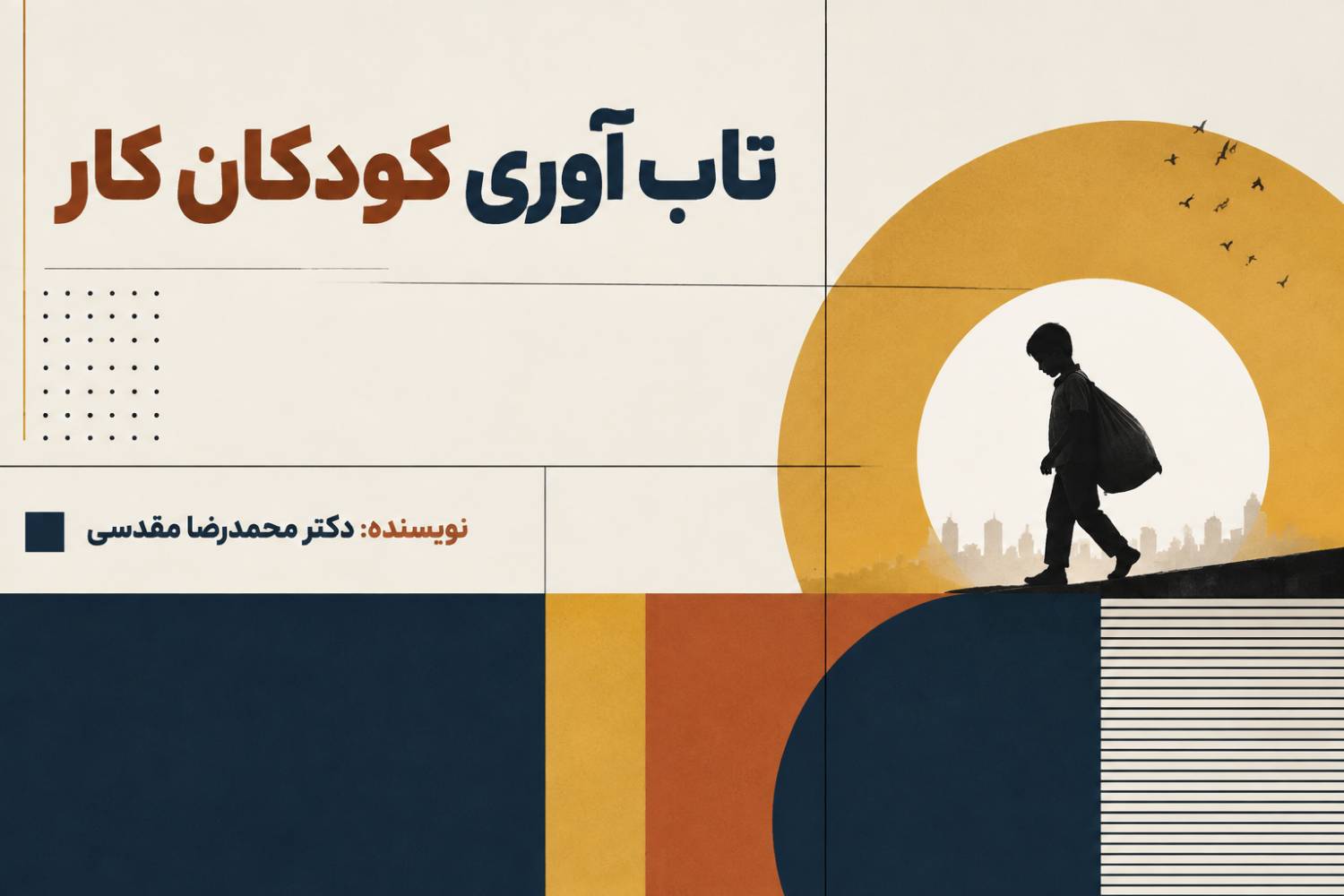
تحلیل جامع تاب آوری کودکان کار؛ عوامل روان شناختی، راهکارهای توانمندسازی و ارتقای سلامت اجتماعی
تابآوری کودکان کار به عنوان یکی از مهمترین سازوکارهای بقا و انطباق روانی در برابر فقر مزمن و ناملایمات شهری، نیازمند بازتعریف علمی و گذار از برخوردهای قهری به سوی توانمندسازی کرامتمحور است؛ رویکردی که با تکیه بر آموزشهای محلهمحور، تقویت پیوندهای اجتماعی امن و مداخلات بهموقع مددکاری، ظرفیت تبدیل رنج زیسته این کودکان به سرمایههای پایدار انسانی و سلامت اجتماعی را فراهم میسازد.
به بیان دکترمحمدرضا مقدسی بنیانگذار و پدر تاب آوری ایران و معاونت علمی و پژوهشی جمعیت همیاران سلامت روان ایران تحلیل علمی تاب آوری کودکان کار هرگز به معنای رها کردن وظایف حاکمیتی و ساختاری نیست.
مفهوم تاب آوری در روان شناسی مدرن به معنای ظرفیت انطباق موفقیت آمیز فرد در مواجهه با تروما، استرس های شدید و ناملایمات محیطی است. بررسی پدیده کودکان کار از دریچه نظریه تاب آوری، رویکردی نوآورانه و تحول آفرین در حوزه مددکاری اجتماعی و آسیب های شهری به شمار می رود. کار کودک صرفاً یک معضل اقتصادی نیست، بلکه پدیده ای زیستی، روانی و اجتماعی است که رشد بهنجار شناختی، عاطفی و جسمانی کودک را مستقیماً هدف قرار می دهد. با این حال، مشاهده رفتارها و سازوکارهای روانی کودکان کار در بستر خیابان ها و کارگاه ها نشان می دهد که بسیاری از این کودکان به طرز شگفت انگیزی سازوکارهای بقا، انعطاف پذیری روانی و مهارت های انطباق را به کار می گیرند تا در برابر طرد، فقر مزمن و ناامنی مقاومت کنند. درک ابعاد این تاب آوری نه برای توجیه کار کودک، بلکه برای طراحی الگوهای دقیق مداخله و توانمندسازی ضرورت بنیادین دارد.


بستر شناختی و هوش بقا در محیط های پرخطر
نخستین سطحی که در تحلیل تاب آوری کودکان خیابان خودنمایی می کند، تاب آوری شناختی یا همان هوش بقا است. کودکانی که در کارگاه های غیررسمی یا سر چهارراه ها کار می کنند، در معرض انواع موقعیت های مبهم و تعارض آمیز قرار دارند. این کودکان توانایی حل مسئله سریعی را توسعه می دهند که در روان شناسی به آن هوش سیال و کاربردی گفته می شود. یادگیری نحوه تعامل با غریبه ها، شناسایی سریع نشانه های خطر و تهدید، مدیریت پول های خرد به عنوان سواد مالی اولیه و یافتن مسیرهای امن شهری، همگی نمونه هایی از سازگاری شناختی هستند. مغز این کودکان تحت فشارهای روزمره یاد می گیرد که در حالت آماده باش پایدار عمل کند، اما اگر این هوش کاربردی با آموزش های استاندارد و مهارت های نرم جهت دهی شود، می تواند به بالاترین ظرفیت های خودکارآمدی و کارآفرینی فردی تبدیل گردد.
سازوکارهای هیجانی و مفهوم سازی رنج در روان کودک
در بعد عاطفی و هیجانی، تاب آوری کودکان کار اغلب حول محور معنابخشی به رنج شکل می گیرد. بر اساس دیدگاه های معنا درمانی و روان شناسی سلامت، زمانی که رنج دارای هدف یا معنای مشخصی باشد، تحمل پذیری روانی انسان به طرز معناداری افزایش می یابد. بسیاری از کودکان کار، انگیزه و نیروی محرکه درونی خود را در حمایت از اعضای خانواده، خرید دارو برای والدین بیمار، تامین هزینه های خواهر و برادر کوچک تر یا حتی ساختن آینده ای بهتر برای خود جستجو می کنند. این احساس نقش داشتن در خانواده، حس عاملیت و اعتماد به نفس پنهانی در کودک ایجاد می کند که به عنوان سپری محکم در برابر درماندگی آموخته شده و افسردگی عمل می نماید. البته این وظیفه زودهنگام نوعی بزرگسالی زودرس را به کودک تحمیل می کند که اگر مدیریت نشود، می تواند به خستگی عاطفی و سرکوب احساسات طبیعی کودکانه منجر شود.
نقش تکیه گاه های امن و پیوندهای اجتماعی پایدار
نظریه های دلبستگی و خط پایه اجتماعی تاکید می کنند که توان مقابله انسان با استرس های محیطی، به شدت وابسته به شبکه های امن پیرامونی او است. کودکان کار معمولاً از حمایت های ساختاری خانوادگی بی بهره یا کم بهره هستند، از این رو شکل گیری پیوندهای انسانی مثبت نقش نجات بخش در زندگی آنان پیدا می کند. یک مربی در سازمان های مردم نهاد، یک مددکار اجتماعی ماهر، یک معلم دلسوز در مدارس حمایتی یا حتی یک کاسب منصف و قابل اعتماد در محله، می تواند به مثابه یک پایگاه امن عمل کند. این حضور حمایتی باعث ترشح هورمون های کاهش دهنده استرس در سیستم عصبی کودک شده و احساس ارزشمندی و تعلق را در او احیا می کند. بررسی های میدانی حاکی از آن است که وجود تنها یک فرد بالغ معتمد که به کودک احترام بگذارد، خطر کشیده شدن او به سمت بزهکاری، اعتیاد و انحرافات اجتماعی را به شدت کاهش می دهد.
آموزش محله محور و سواد کاربردی به عنوان اهرم دگرگونی
سوادآموزی و آموزش های انعطاف پذیر، قدرتمندترین ابزار برای خروج از چرخه فقر بین نسلی و تبدیل تاب آوری موقت به رشد پایدار هستند. مدارس سنتی به دلیل چارچوب های خشک و عدم درک شرایط زیستی کودکان کار، غالباً این گروه را پس می زنند. در نقطه مقابل، مراکز آموزشی جایگزین و کارگاه های مهارت آموزی محله محور با ارائه برنامه های درسی تلفیقی شامل سواد خواندن و نوشتن، هوش مالی، مهارت های ارتباطی، کنترل خشم و حل مسئله، عزت نفس کودک را بازسازی می کنند. کودکی که می آموزد هویت او فراتر از کالایی است که می فروشد، انگیزه پیدا می کند تا برای ارتقای جایگاه فردی و اجتماعی خود تلاش کند و از موقعیت قربانی به موقعیت کنشگری موثر تغییر جایگاه دهد.
خطرات فرسایش تاب آوری و اهمیت مداخلات تخصصی
تاب آوری یک منبع بی نهایت نیست و اگر فشار استرس های سمی محیطی از توان انطباقی کودک فراتر برود، فرسایش تاب آوری رخ می دهد. کودکان کار در صورت عدم دریافت مداخلات به موقع بهداشتی، تغذیه ای و روان درمانی، ممکن است دچار فروپاشی روانی شوند که به شکل رفتارهای پرخطر، پرخاشگری شدید، اضطراب منتشر یا گوشه گیری بروز می یابد. ارزیابی های مداوم سلامت روان، ایجاد فضاهای امن برای بازی و تخلیه هیجانی، تامین نیازهای پایه مانند تغذیه سالم و درمان بیماری های جسمی، پیش نیازهای غیرقابل انکاری هستند که امکان بازسازی روانی را برای این گروه آسیب پذیر فراهم می کنند.
مسئولیت ساختاری، جامعه مدنی و حمایت های چندسطحی
تحلیل علمی تاب آوری کودکان کار هرگز به معنای رها کردن وظایف حاکمیتی و ساختاری نیست. توانمندسازی فردی زمانی ماندگار خواهد بود که در سطح کلان با سیاست های بازتوزیع عادلانه ثروت، کاهش فقر سیستماتیک، قانون گذاری های حمایتی بدون مماشات و تسهیل فعالیت تشکل های مردم نهاد همراه باشد. سازمان های غیردولتی با چابکی و ارتباط بی واسطه با میدان، نقش حلقه واسط میان کودکان آسیب دیده و جامعه را بازی می کنند. ایجاد شبکه های همکاری منسجم میان روان شناسان، مددکاران، سازمان های مردم نهاد و بخش عمومی، اکوسیستمی حمایتی می سازد که در آن به جای اقدامات مقطعی و قهری، مسیرهای توانمندسازی واقعی برای بازگشت این کودکان به مسیر رشد سالم ترسیم می شود.
چشم انداز آینده و بازتعریف سرمایه انسانی
کودکان کار حامل پتانسیل های فردی بی نظیری از جمله پشتکار، درک اقتصادی عملی، انعطاف پذیری بالا و تاب آوری زیستی هستند. اگر نگرش عمومی جامعه از نگاه های ترحم آمیز و طردکننده به سمت رویکردهای حمایتی و کرامت محور تغییر کند، این کودکان می توانند به عنوان سرمایه های انسانی ارزشمند در توسعه جامعه ایفای نقش کنند. تقویت تاب آوری کودکان کار در حقیقت سرمایه گذاری روی امنیت، سلامت و آینده جامعه و تاب آوری ملی است؛ فرایندی که با به رسمیت شناختن حقوق بنیادین کودک آغاز می شود و با فراهم کردن فرصت های برابر برای آموزش، رشد فردی و زندگی همراه با آرامش به ثمر می نشیند.